




Understanding Botswana’s Two Distinct Seasons
Botswana's safari experience is governed by two primary seasons: the dry winter from roughly May to October, and the wet 'green' season from November to April. Conventional wisdom often points to the dry season as the absolute 'best' time to visit, but
this simplifies a more complex and rewarding picture. The truth is, each season offers a profoundly different experience, with unique advantages for viewing certain animals and enjoying specific landscapes. The ideal time for your visit depends entirely on what you hope to see and do. Are you dreaming of massive elephant herds congregating by a river, or are you fascinated by the drama of predator-prey interactions during calving season? Answering this question is the first step in planning the perfect journey.
The Dry Season: Prime Time for Big Game
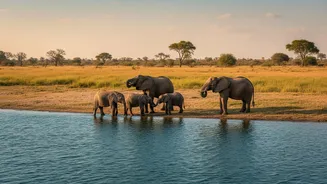
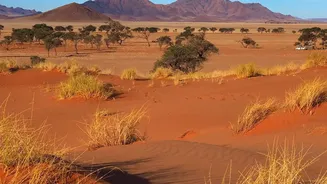
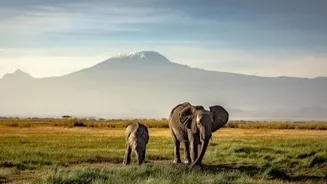
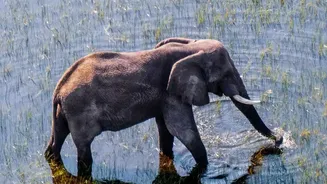
From May to October, Botswana experiences its dry season. With little to no rain, the landscape becomes progressively more arid, and temporary water sources vanish. This forces wildlife to congregate around the remaining permanent water sources, such as the Chobe River and the channels of the Okavango Delta. The vegetation thins out, making animals much easier to spot from a distance. This period is considered peak season for a reason: game viewing is often spectacular and more predictable. It's the best time to see large herds of elephants and buffalo, especially along the Chobe Riverfront. With prey concentrated in predictable areas, predators like lions, leopards, and wild dogs are often more visible as they hunt. For those whose primary goal is to see as much big game as possible, the dry season, particularly from August to October, is hard to beat. The trade-off, however, can be higher prices and more visitors.
The Green Season: A Time of Rebirth and Rarity
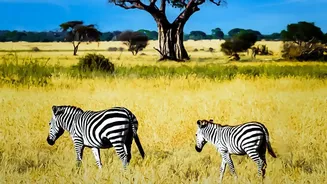
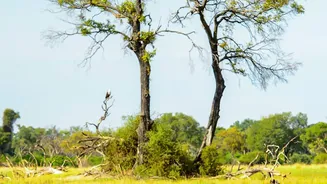
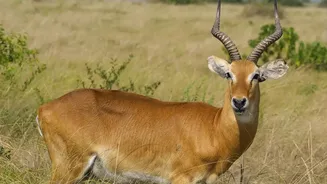
From November to April, the summer rains transform Botswana into a lush, green paradise. While the thicker vegetation can make wildlife spotting more challenging, this 'green season' holds a unique magic. It is the time of birthing for many antelope species, which means an abundance of young, vulnerable prey that attracts opportunistic predators. For photographers, the landscape is vibrant, and the dramatic afternoon thunderstorms create spectacular skies. This season is also a paradise for birdwatchers, as migratory species arrive in their thousands. Furthermore, the green season brings unique wildlife events, most notably the zebra migration. Large herds move towards the newly green grasses of the Makgadikgadi Pans and Nxai Pan National Parks, a stunning spectacle that occurs from roughly December to March. This season also means fewer tourists and often more favorable pricing, offering a more intimate safari experience.
The Crucial Role of Your Safari Guide
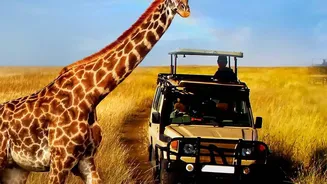
Regardless of the season, the single most important element of a successful safari is your guide. A guide is more than just a driver; they are your interpreter of the wilderness. Their expertise is what bridges the gap between simply being in a place and truly understanding it. An experienced guide possesses an intimate knowledge of animal behavior, tracking skills, and the subtle shifts in the environment. They know where to look for a leopard based on the alarm calls of a bird, how to track a pride of lions from their morning prints, and which areas are most productive based on the specific time of year and recent rainfall. A great guide will communicate with you to understand your interests—be it photography, birding, or searching for a specific animal—and will tailor the experience accordingly, turning a great trip into an unforgettable one.