






The Great Indian Protein Boom
Not long ago, protein supplements were mostly confined to gyms and specialty health stores. Today, they’re everywhere. From protein-enriched dosa batter and coffee to high-protein yogurts and snack bars, the Indian grocery aisle is undergoing a significant
transformation. This isn't just about powders and shakes anymore; it's about integrating protein into the very fabric of daily diets. Major food companies and startups alike are launching products that put protein front and center, repositioning it from a fitness supplement to an essential nutrient for everyone, including working professionals, families, and seniors. Quick commerce platforms have reported a massive surge in protein-related purchases, indicating a fundamental shift in consumer buying habits across the country, from metro areas to smaller cities.
Why Now? A Perfect Storm of Trends
Several factors are driving this protein-centric shift. A major catalyst is a growing, nationwide focus on health and wellness, which has encouraged more Indians to prioritize nutrition. Rising disposable incomes and increasingly urban lifestyles have also played a crucial role, allowing more people to spend on premium and health-focused products. The fitness culture, amplified by social media influencers and fitness apps, has successfully moved the perception of protein from a muscle-building aid for athletes to a tool for overall wellness, muscle maintenance, and metabolic health for the general population. Furthermore, with studies suggesting a large portion of the Indian population may have a protein-deficient diet, there's a clear gap in the market that brands are now rushing to fill.
The Rise of Plant-Based and Convenient Options
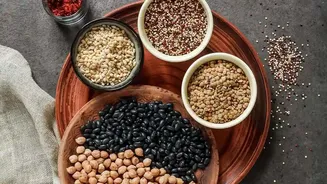
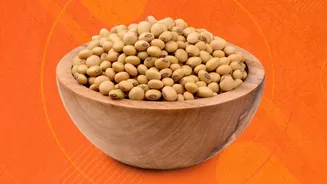
A significant part of this trend is the remarkable growth of plant-based protein. Given India's large vegetarian population and traditional dietary habits rich in pulses and legumes, the country is a natural market for innovation in plant-based foods. Concerns about environmental sustainability are also encouraging consumers to prefer plant-derived proteins over animal sources. Startups and established companies are tapping into this by developing a wide range of products, from soy and pea protein isolates to fortified traditional snacks. Simultaneously, the demand for convenience is shaping the market. Busy urban consumers are looking for easy, on-the-go nutritional solutions, which explains the popularity of ready-to-drink protein shakes, yogurts, and snack bars that fit seamlessly into hectic schedules.
Navigating the New Protein Landscape
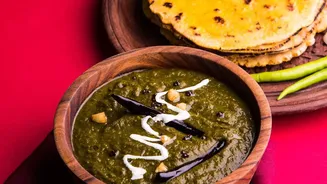
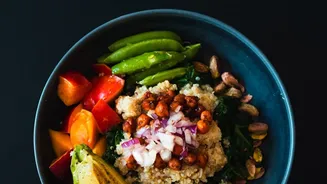
While the increased focus on protein is largely positive, it comes with its own set of challenges. A recent survey revealed that while nearly half of Indian consumers try to include protein in every meal, a staggering 93% feel confused by the information surrounding it. This highlights a significant gap between awareness and true understanding. Many consumers associate protein primarily with muscle building, while others see it as a general health component, leading to inconsistent consumption patterns. Experts also point out that not all protein is created equal. A significant portion of protein in the average Indian diet comes from cereals, which are often 'incomplete' and less easily absorbed by the body compared to sources like pulses, dairy, and eggs. While supplements and fortified foods offer convenience, many nutritionists emphasize the benefits of whole food sources. Traditional Indian cuisine is naturally rich in high-quality plant protein from dishes like dal, chana masala, and sprouted moong, which have been nutritional mainstays for generations.