



First, Decode Your Light Source
Before you even think about what plant to buy, you need to become a light detective. The quality and duration of light a plant receives are the single most important factors for its health. This is determined by the direction your windows face. The simplest
way to figure this out is to use the compass app on your phone. Stand near the window you have in mind and see if it faces North, South, East, or West. Each direction provides a different type of light, catering to different plant needs. Keep in mind that obstructions like large trees or nearby buildings can also affect how much light gets through.
North-Facing Windows: The Low-Light Champions
North-facing windows receive the least amount of direct sun, offering gentle, indirect light throughout the day. This makes them perfect for plants that can't tolerate harsh rays. If you have a north-facing spot, you're in luck, because some of the hardiest and most popular houseplants thrive in these conditions. Consider plants like the nearly indestructible Snake Plant (Sansevieria) or the ZZ Plant (Zamioculcas zamiifolia), both of which are famous for their tolerance of low light and infrequent watering. Others that do well here include the elegant Peace Lily and the versatile Pothos.
East-Facing Windows: The Gentle Morning Sun
An east-facing window gets several hours of direct morning sun, which is much softer and less intense than afternoon light. This creates an ideal environment for a wide variety of houseplants that enjoy bright, indirect light but can get scorched by harsher sun. This is a great spot for lush, leafy plants. Ferns, such as the Boston Fern, love the humidity and gentle light of an eastern exposure. This is also the perfect home for Calatheas, Prayer Plants, and many types of Begonias, which can show off their stunning foliage without fear of sunburn.
West-Facing Windows: The Afternoon Heat
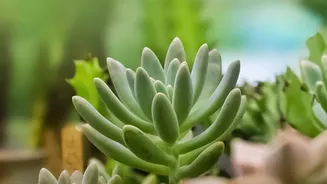
West-facing windows get the full force of the hot afternoon sun, which can be intense, especially in the summer. Plants placed directly in a west-facing window need to be tough enough to handle direct rays and higher temperatures. This is prime real estate for sun-lovers. Succulents and cacti, which are adapted to dry, sunny conditions, will thrive here. Colourful Crotons need the bright light to maintain their vibrant leaves, and flowering plants like Hibiscus also appreciate the strong light to produce blooms.
South-Facing Windows: The All-Day Sunbathers
A south-facing window provides the most hours of bright, direct sunlight throughout the day, making it the sunniest spot in your home. This is the place for true desert dwellers and tropical plants that crave light. Cacti and succulents like Aloe Vera and Jade Plants are excellent choices. This is also where you can successfully grow a Bird of Paradise, which needs lots of sun to flourish. While many plants love this spot, remember that the intensity might be too much for others, so reserve this area for your most sun-worshipping green friends.
Now, Consider Your Available Space
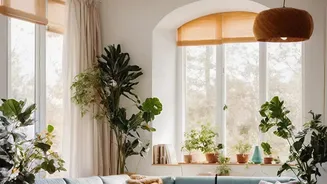
Once you know your light, the next step is to realistically assess your space. It's easy to fall in love with a giant Monstera at the nursery, but will it actually fit in your living room once it's fully grown? Think about not just the floor space but the vertical space as well. Do you have empty corners, bare shelves, or room for hanging baskets? A plant's growth habit is just as important as its mature size. Some plants grow upwards, some trail downwards, and others grow wide and bushy.
Matching Plant Size to Your Home
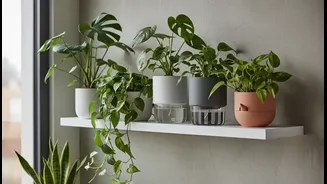
For small apartments or desks, look for plants that stay compact or grow slowly. Snake Plants and ZZ Plants are great options because they grow vertically and don't take up much floor space. Succulents are also perfect for small pots on windowsills. If you have an empty corner that needs filling, a tall floor plant like an Areca Palm or a Fiddle Leaf Fig can make a dramatic statement. For shelves or to add interest from above, trailing plants like Pothos (Money Plant) or Spider Plants are ideal. You can let their vines hang down, creating a beautiful cascade of green without taking up any surface area.