





Day 1: Celebrate Peak Freshness
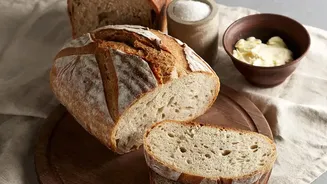
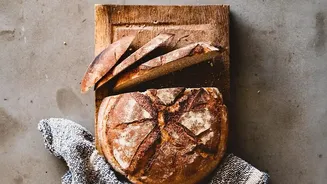
When a sourdough loaf is at its absolute best—freshly baked with a crackling crust and a soft, airy crumb—the simplest approach is often the most rewarding. For the first day, let the bread’s superior quality shine. Serve thick slices alongside a bowl
of high-quality olive oil and a sprinkle of sea salt for dipping. Another classic is to toast it lightly and slather it with good butter and your favourite jam or local honey. For a more substantial snack, create an open-faced sandwich. Think avocado toast with a squeeze of lime and chilli flakes, or bruschetta topped with fresh, chopped tomatoes, garlic, and basil. These minimal-effort preparations honour the bread’s texture and tangy flavour without overpowering it.
Day 2: The Ultimate Grilled Cheese
By the second day, the loaf has firmed up slightly, making it the perfect candidate for heartier applications. This is the prime time to craft the ultimate grilled cheese sandwich. Day-old sourdough provides a sturdy structure that holds up to heat and fillings without becoming soggy. The bread's characteristic tang provides a wonderful contrast to the richness of melted cheese. For a classic experience, butter the outside of two slices, layer your favourite melting cheeses like cheddar, Gruyère, or even a simple Amul slice in between, and pan-fry until golden brown and gloriously gooey. The robust crust creates an unparalleled crunchy exterior, while the interior remains soft and cheesy.
Day 3: A Foundation for Eggy Delights
As the bread continues to lose moisture and become firmer, it becomes an excellent vessel for soaking up liquids, making it ideal for egg-based dishes. French toast made with sourdough is a revelation. The sturdy slices absorb the egg, milk, and cinnamon custard without falling apart, resulting in a dish that’s creamy on the inside with perfectly crisped edges. For a savoury brunch option, consider a strata or a savoury bread pudding. Cube the sourdough and layer it in a baking dish with eggs, milk, cheese, and your choice of vegetables or meats. Let it soak before baking to create a comforting, flavourful casserole.
Day 4: The Rustic Panzanella Salad
Now that your sourdough is properly stale and hard, it's ready for its most transformative role: Panzanella. This classic Tuscan salad was invented specifically as a way to use up leftover bread. Cut the dry sourdough into cubes. You can toast them in the oven for extra crunch or use them as is. Combine the bread in a large bowl with ripe, juicy tomatoes, cucumber, red onion, and fresh basil. The magic happens when you toss it all with a simple vinaigrette. The stale bread soaks up the dressing and the tomato juices, softening into chewy, flavour-packed morsels that are the star of the salad.
Day 5: Homemade Croutons and Breadcrumbs
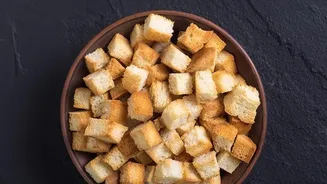
Don’t you dare throw away those last few impossibly hard slices. This is when your sourdough becomes a pantry staple. To make fantastic homemade croutons, toss cubes of the bread with olive oil, salt, and your favourite herbs (garlic powder and oregano work well), then bake until golden and crunchy. These are perfect for topping soups and salads. To go a step further, blitz the dried bread in a food processor to make breadcrumbs. Store them in an airtight container or freezer. These homemade breadcrumbs, known as pangrattato in Italian, can be used to coat chicken or fish, or toasted with garlic and sprinkled over pasta for added texture and flavour.