





The Numbers Behind the Shortage
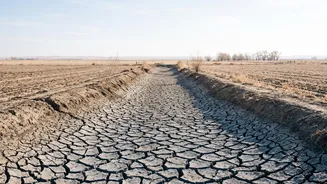
The IRSA Advisory Committee has confirmed the 22% water deficit for Pakistan's two main agricultural provinces, Punjab and Sindh, during the Rabi season, which runs from October to March. Total anticipated water availability is projected to be around
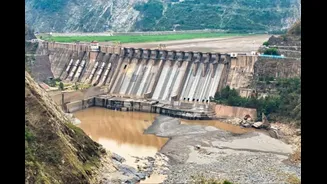
29.18 million acre-feet (MAF), while rim-station inflows are estimated at just 21.268 MAF. This situation is a result of lower-than-expected water flows during the preceding Kharif season, which were 8% below projections and 22% lower than the previous year. Consequently, water storage in the country's major reservoirs stood at 9.343 MAF on September 30, significantly lower than the 13.214 MAF available at the same time last year and below the ten-year average.
Why This Rabi Season is Critical
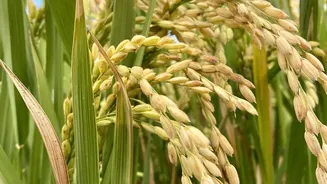
The Rabi season is crucial for Pakistan's food security, as it is when the country's primary staple crop, wheat, is grown. Other important winter crops include gram, barley, lentils, and mustard. More than 80% of the nation's agriculture relies on the irrigation system fed by the Indus Basin, making water availability a critical factor for national stability. The projected shortage raises serious concerns, especially since the country already experienced a wheat production shortfall of over two million tonnes in the last season, even without a water deficit. This has already forced the government to approve wheat imports to stabilise supply.
Roots of the Water Deficit
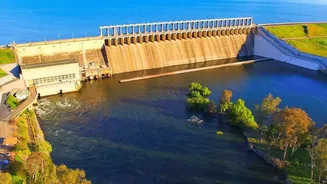
Several factors are contributing to this season's water scarcity. The primary cause is lower river inflows due to reduced rainfall and snowmelt in catchment areas. However, IRSA has also pointed to significant delays in key infrastructure projects managed by the Water and Power Development Authority (WAPDA) at the Tarbela Dam. Specifically, ongoing work on the Tunnel-4 and Tunnel-5 projects has restricted the dam's ability to store water to its full capacity, preventing over 3 MAF of water from being stored during the Kharif season. These project delays, originally due for completion years ago, are now directly contributing to the water shortages faced by the provinces.
Impact on Provinces and Farmers
The 22% shortage will be borne by Punjab and Sindh, the agricultural heartlands of the country. Under the distribution formula, Punjab has been allocated 15.564 MAF and Sindh will receive 11.748 MAF. The provinces of Balochistan and Khyber Pakhtunkhwa are exempt from the cuts under the current water-sharing arrangement. This situation is likely to create immense pressure on farmers, who may be forced to rely more on expensive groundwater pumping or face the prospect of lower crop yields. The shortage is also expected to revive provincial disagreements over water distribution, as Sindh has historically opposed the three-tier formula that IRSA uses during times of scarcity.
Looking Ahead: Mitigation and Management
With the shortage confirmed, the focus shifts to management and mitigation. IRSA will periodically review the water availability situation as the season progresses. The authority has urged WAPDA to expedite the completion of the delayed Tarbela projects to prevent future shortages. For farmers and agricultural planners, the challenge will be to optimise the use of available water, potentially by adjusting cropping patterns or adopting more efficient irrigation techniques. This water crisis comes at a time when flour prices are already reported to be over 30% higher than last year, and another poor wheat harvest could exacerbate food inflation and necessitate further imports.