




The Reign of the King
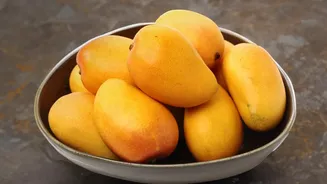
Long before it's blended into a lassi or churned into ice cream, the mango holds a revered status in India. Often called the 'king of fruits', its significance is woven deep into the nation's culture, history, and even religion. Mentioned in sacred ancient
texts like the Vedas and Puranas, the fruit is a symbol of love, prosperity, and joy. Mango leaves are strung across doorways during festivals and weddings as auspicious tokens. This deep-seated cultural reverence sets the stage for the mania that erupts each summer. The season, typically running from April through July, isn't just about a fruit; it's a celebration of heritage and a shared national identity. Each region boasts its own prized varieties, from the sweet Alphonso to the fragrant Kesar, creating a diverse palette for the culinary creations that follow.
The Cool Comfort of Classics
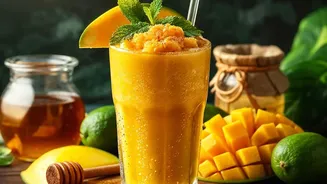
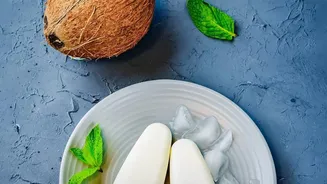
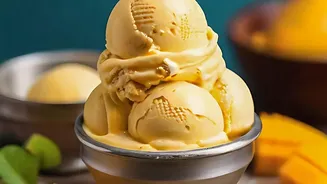
When temperatures soar, the craving for something cool and refreshing is universal. Two classic mango preparations rule the roost: ice cream and lassi. Mango lassi, a creamy, blended yogurt drink, is the quintessential summer cooler. It’s a perfect balance of sweet mango pulp and tangy yogurt, often flavoured with a pinch of cardamom. Recent data from Swiggy showed that the platform delivered nearly 1,550 mango lassis every day during the peak summer period, highlighting its immense popularity. Equally beloved is mango ice cream and its denser, creamier cousin, kulfi. Whether churned into a light, modern ice cream or slow-frozen into traditional kulfi, the rich, tropical flavour offers an unmatched nostalgic comfort that brings back memories of childhood summers. These frozen treats are not just desserts; they are a ritual, a way to find a moment of cool respite on a hot afternoon.
A Slice of Summer Celebration
While lassis and ice creams are everyday treats, the mango cake has carved out a special place for summer celebrations. What was once a Western concept has been thoroughly Indianised, with the fusion of British-style baking and local flavours giving rise to the modern mango cake. These soft, spongy cakes, often layered with fresh mango chunks and light cream, have become the go-to choice for birthdays and special occasions that fall during the mango season. Its popularity can lead to incredible demand; recently, a bakery in Chennai reported selling hundreds of mango cakes in just a few weeks after a cake they made for the Chief Minister went viral, with customers now specifically asking for the 'CM cake'. Another report highlighted a single order placed by a customer in Bhopal for 120 mango cakes, proving that when it comes to seasonal celebrations, this fruity confection is a dominant force.
More Than Just Dessert
The dominance of these mango treats goes beyond taste. They are an economic and social phenomenon. The seasonal harvest provides livelihoods for countless farmers and vendors. For families, the act of making aamras (mango pulp) to be eaten with puris, or churning homemade ice cream, is a cherished ritual that brings generations together. While chefs and home cooks constantly innovate with new creations like mango cheesecakes, mousses, and even mango cronuts, the enduring popularity of ice cream, cake, and lassi speaks to a deeper truth. These are not just recipes; they are carriers of nostalgia and tradition. They represent a flavour profile that is intrinsically linked to the identity of an Indian summer, a taste of home that is eagerly awaited all year.