




What Is Synthetic Paneer?
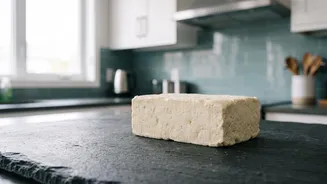
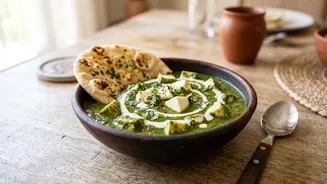
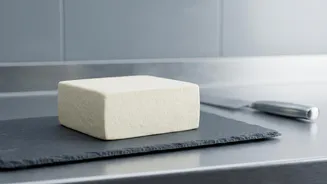
Synthetic or 'analogue' paneer is a product designed to look and feel like real dairy paneer but is made from non-dairy ingredients. Unlike genuine paneer, which is made simply by curdling milk, this counterfeit version is often a mixture of cheaper substitutes.
Common ingredients include palm oil, starch or maida, soy paste, and sometimes harmful chemicals like urea and detergent to mimic the texture, weight, and bright white colour of authentic paneer. This practice is driven by manufacturers cutting costs to increase profit margins, especially when milk prices are high. While analogue paneer isn't automatically illegal if labelled correctly, the concern arises when it's deceptively sold as real dairy paneer, hiding its true composition and potential risks from consumers.
Why Is Chuna Being Added?
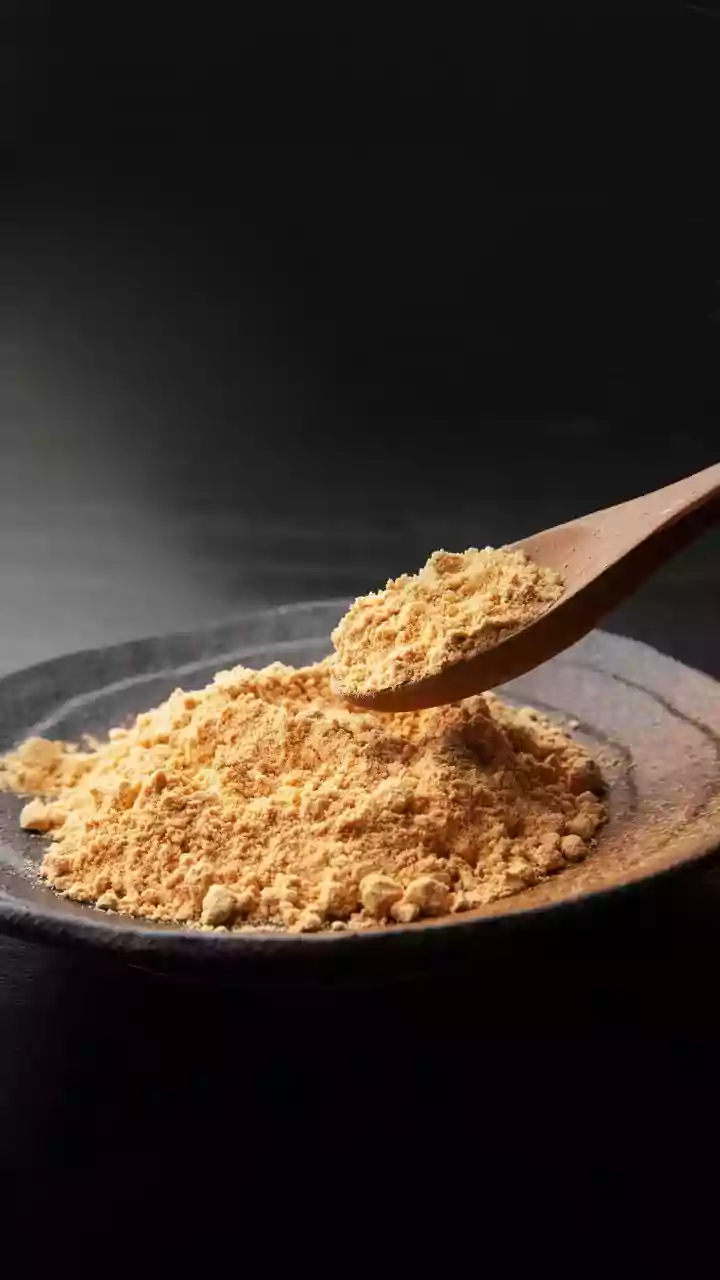
Recent investigations by food safety departments revealed that some manufacturers use chuna (slaked lime or calcium hydroxide) as an artificial whitening agent. During raids in places like Haryana's Nuh district, which supplies dairy to Delhi-NCR, officials found buckets of chuna at illegal manufacturing units. The chemical gives the synthetic product an unnaturally white appearance, making it look more like high-quality paneer. While food-grade chuna is used in very small, controlled amounts in some traditional foods like paan, the type and quantity used in this illicit process are unregulated. The use of industrial-grade or excessive amounts of this alkaline substance can be corrosive and poses significant health dangers.
The Serious Health Risks Involved
Consuming synthetic paneer adulterated with chuna and other chemicals can be extremely harmful. Ingesting slaked lime can irritate or burn the mouth, throat, and digestive tract, leading to symptoms like abdominal pain, nausea, and vomiting. The other common adulterants are just as dangerous. Chemicals like detergents and urea can cause severe gastrointestinal distress, food poisoning, and place a heavy burden on the liver and kidneys. Long-term consumption of these non-food-grade substances can lead to chronic health issues, including hormonal disruption and potential damage to vital organs. Since synthetic paneer lacks the protein and calcium of real paneer, it offers no nutritional benefits and instead introduces harmful toxins to the body.
How to Identify Fake Paneer at Home
Fortunately, you don't need a lab to spot a fake. There are several simple tests you can perform in your kitchen. First, check the texture; real paneer is soft and crumbly, while fake paneer often feels rubbery, spongy, or overly smooth. When you press it, real paneer breaks easily, whereas a fake block might stretch or bounce back. Another easy method is the boiling test. Boil a piece of paneer in water for a few minutes. If it's real, it will stay soft. If it's fake, it may become rubbery or start to break apart, leaving a cloudy residue. You can also do an iodine test for starch. Add a few drops of iodine tincture to the cooled water in which the paneer was boiled. If the water turns blue or black, it indicates the presence of starch, a common adulterant.
Official Action and What You Can Do
In response to these findings, food safety departments across several states have been conducting widespread raids and seizing large quantities of adulterated paneer. States like Haryana and Maharashtra have even imposed temporary bans on the sale of unstandardised analogue paneer to curb deceptive practices. As a consumer, the safest approach is to be vigilant. Whenever possible, buy paneer from trusted brands with proper FSSAI certification and clear labelling that includes a manufacturing date and expiry date. Be wary of paneer that is sold very cheap or appears unnaturally white. If you suspect a product is adulterated, you have the right to report it to your local food safety authority.