






The Case for Running: Cardio and Freedom
Running is the classic cardio workout for a reason. It is one of the most effective ways to improve cardiovascular fitness, strengthen bones through weight-bearing exercise, and burn a significant number of calories. This can be a major factor for those
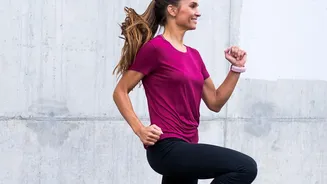
aiming to manage or maintain a healthy weight. Beyond the physical, running has profound mental health benefits, from boosting your mood and managing stress to improving sleep. One of its greatest advantages is accessibility; all you really need is a good pair of shoes and some open space. It offers a sense of freedom and a chance to clear your head, making it a powerful tool for both body and mind.
The Power of Pilates: Core Strength and Control
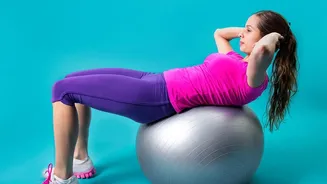
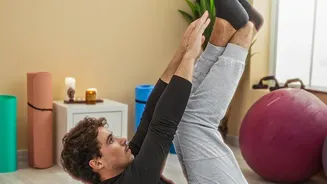
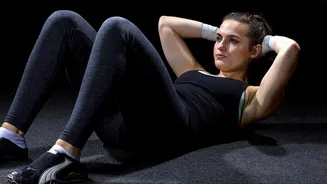
Pilates is a low-impact exercise method that focuses on controlled movements to build core strength, improve flexibility, and enhance body awareness. It targets the deep abdominal muscles, lower back, hips, and glutes—often called the body's 'core'. A strong core is the foundation for good posture and can help alleviate issues like back pain. Because it is low-impact, Pilates is gentle on the joints, making it a great option for injury prevention or as a form of rehabilitation. While it may not provide the same high-intensity cardio burn as running, it excels at creating long, toned muscles and improving overall stability and mobility.
What Are Your Fitness Goals?
Your choice might come down to what you want to achieve. If your primary goal is significant weight loss or improving cardiovascular endurance for a race, running might be the more direct route due to its higher calorie burn. However, if you are looking to tone your entire body, improve your posture, gain flexibility, and build foundational strength that helps prevent injuries, Pilates is an excellent choice. Many fitness experts argue that the best approach often involves a combination of both: cardio for heart health and calorie burn, and strength or resistance work like Pilates for building muscle, which boosts your metabolism even at rest.
Injury Risks and Practical Considerations
Every exercise carries some risk. Running is a high-impact activity, and overuse can lead to common injuries like runner's knee, shin splints, and IT band syndrome. Proper form, good shoes, and gradual progression are key. Pilates, on the other hand, is low-impact and often used to prevent the very muscle imbalances that cause running injuries. However, poor form in Pilates can also lead to strain. Practically, running is often cheaper and more convenient. Pilates may require studio classes or specialized equipment like a reformer, which can involve more cost and planning.
The Real Winner: The Workout You'll Actually Do
This brings us back to the headline's wisdom. The scientifically 'best' workout is useless if you dread it so much you only do it once a month. Consistency is the most important factor in achieving any fitness goal. Ask yourself honestly: Do you prefer exercising outdoors or in a studio? Do you enjoy solitary workouts or the energy of a class? Do you feel more accomplished after a heart-pounding run or a session of focused, controlled movements? Choosing the exercise you genuinely enjoy—or at least dislike the least—is the secret to building a lasting routine.