

An Offering of Love: The Prasad Tradition
The celebration of Lord Krishna's birth, Janmashtami, is one of India's most vibrant festivals, marked by fasting, midnight prayers, and beautifully decorated temples. But central to the festivities is the food—specifically, the 'prasad' or 'bhog' lovingly
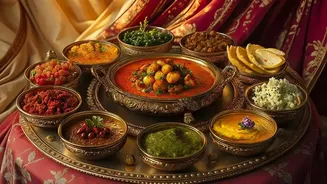
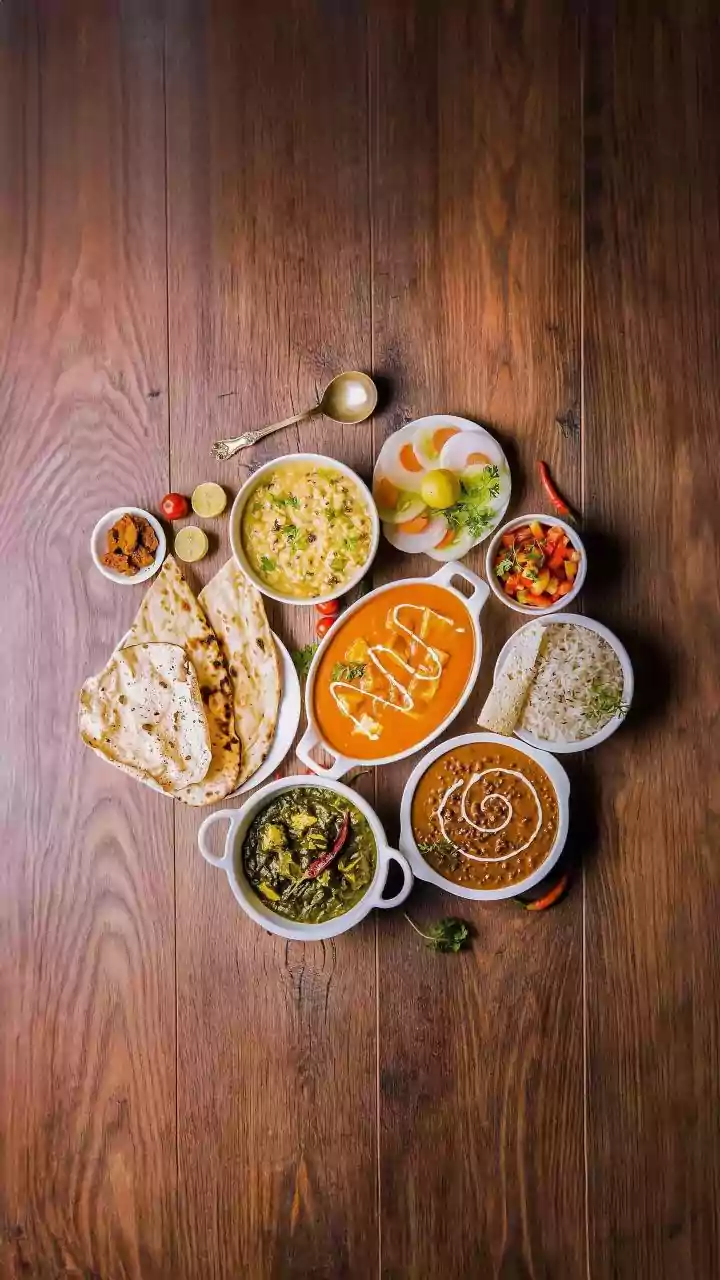
prepared and offered to the deity. According to folklore, as a child, Lord Krishna was known for his love of butter and milk-based sweets. In a grand gesture of love, devotees often prepare a 'Chappan Bhog', a feast of 56 distinct dishes. This tradition is believed to originate from the story of Krishna lifting the Govardhan Hill for seven days to protect his villagers, who then offered him 56 meals (eight for each day) out of gratitude. While the scale of a full Chappan Bhog may vary, the spirit of the offering remains the same. Every household prepares special sattvic dishes, made without onion or garlic, using pure ingredients to honour Krishna before sharing the blessed food with family and friends.
The Star of the Bhog: Panjiri's Enduring Significance
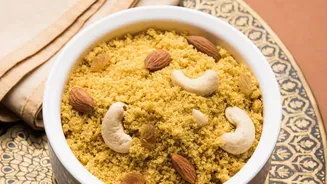
Among the many delicacies, Panjiri holds a special place. This dry, sweet, and nutty preparation, originating from an Ayurvedic mixture called Panchajīraka, is a quintessential Janmashtami prasad, especially in North India. While many variations exist, the two most common for this occasion are Dhaniya Panjiri and Sunth Panjiri. Dhaniya Panjiri, made with roasted coriander seed powder, is particularly important as it contains no grains, making it suitable for those observing a fast. Sunth Panjiri, on the other hand, gets its name from its key ingredient: sunth, or dried ginger powder. Rich with ghee, nuts, and edible gum (gond), Panjiri is more than just a sweet; it is considered a nutritional supplement, providing warmth and energy. Its preparation signifies nourishment and devotion, embodying the love with which Mother Yashoda would have fed young Krishna.
The Other Classics: Makhan Mishri and Gopalkala
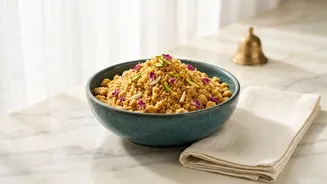
No Janmashtami story is complete without mentioning Makhan Mishri. This is perhaps the simplest yet most significant offering, directly linked to Krishna's famous childhood persona as 'Makhan Chor' or the butter thief. It is an uncooked blend of fresh white butter and rock sugar (mishri), symbolising the pure, sweet, and unconditional love between the divine and the devotee. Its simplicity makes it a staple for the midnight puja. Another beloved preparation is Gopalkala. Hailing from Maharashtra, this savoury dish is a mixture of flattened rice (poha), curd, cucumber, and simple spices. It is said to represent the meal Krishna shared with his cowherd friends, mixing whatever food they all brought together. This makes Gopalkala a symbol of friendship, community, and equality, reminding everyone of Krishna's playful and inclusive nature.
The Wisdom of Sunth: A Spice for All Seasons
The inclusion of sunth (dried ginger) in Panjiri is a nod to ancient Ayurvedic wisdom. Sunth is revered for its warming properties and numerous health benefits. Traditionally, Sunth Panjiri is given to new mothers to aid postpartum recovery and boost lactation, as it helps replenish strength and heal the body. It is also a popular winter food, believed to generate internal heat, boost immunity, and soothe joint aches. In the context of Janmashtami, which often falls at the end of the monsoon season, a time of digestive vulnerability, the ginger in the panjiri acts as a digestive aid. It’s a perfect example of how traditional Indian festive food is intrinsically linked with wellness, serving a purpose that goes far beyond just taste.
A Modern Twist: The Rise of Sunth Panjiri Truffles
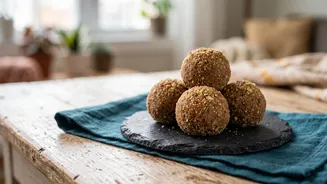
While traditions remain strong, the way they are presented often evolves. The latest chapter in Panjiri's story is its transformation into modern, bite-sized truffles or energy balls. This innovative take preserves the core recipe and its health benefits while making it more convenient and appealing to a contemporary audience. The crumbly Panjiri mixture is simply bound together—often with more ghee or a touch of honey—and rolled into neat spheres. These truffles are easy to serve, store, and consume, especially for children. They are essentially the same powerhouse of nutrition, packed with the goodness of whole wheat flour, ghee, ginger, and nuts, but in a form that feels fresh and modern. This creative spin ensures that the essence of the tradition is passed down to the next generation, proving that ancient recipes can find new life without losing their soul.