




Meet the Contenders
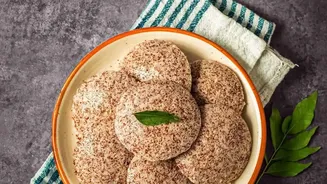
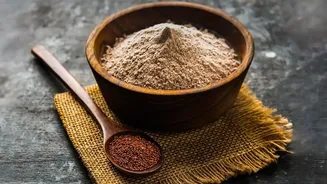
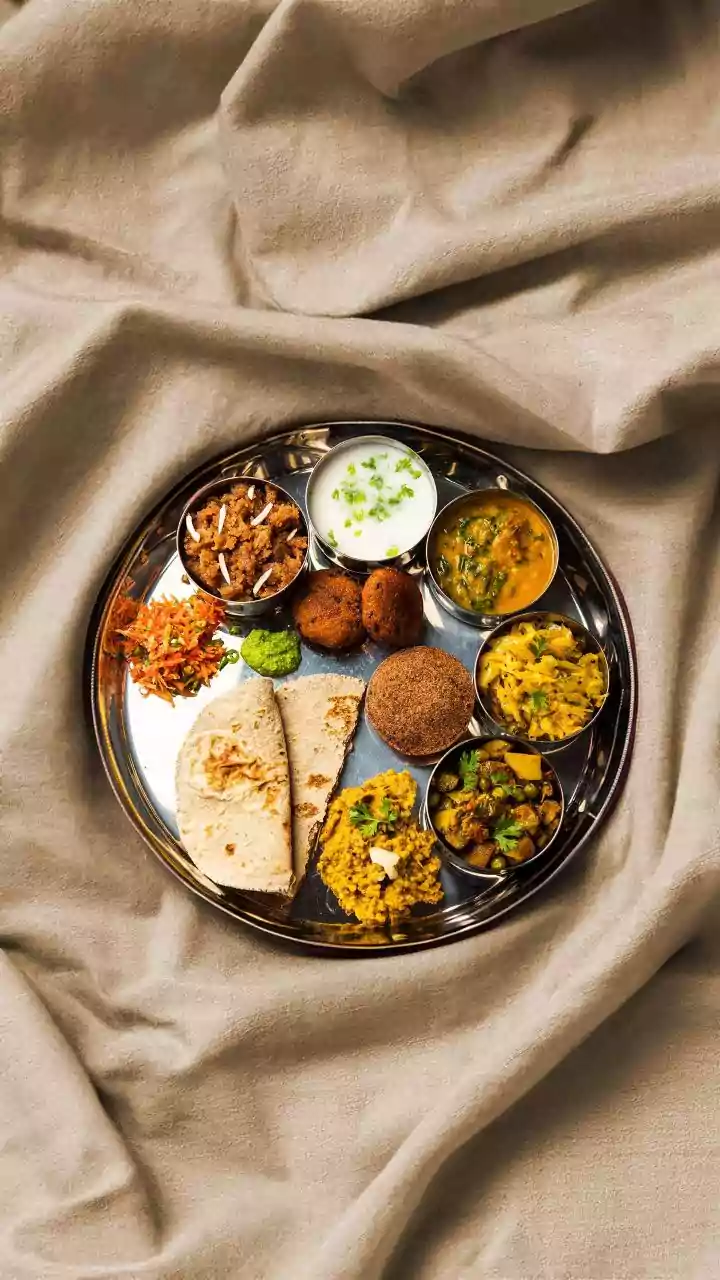
Ragi, also known as finger millet, is an ancient grain that has been a staple in Indian households for centuries, especially in the southern states. Celebrated for its resilience and affordability, it's a familiar comfort food found in dishes like 'ragi
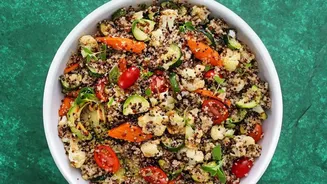
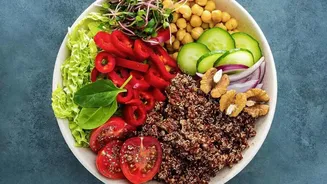
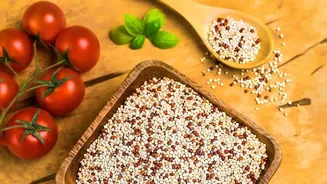
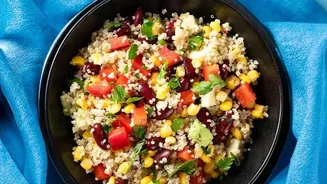
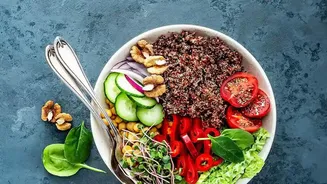
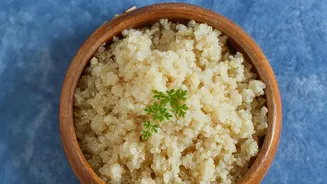
mudde' and porridge. Quinoa, on the other hand, is a seed from South America that gained worldwide fame more recently. The Incas called it the 'mother of all grains', and today's health-conscious consumers love it for its unique properties. Both are naturally gluten-free, making them excellent choices for those with celiac disease or gluten sensitivity.
The Protein Power Play
If building muscle or finding a plant-based protein source is your main goal, quinoa has a clear advantage. It's a 'complete protein', which means it contains all nine essential amino acids your body can't produce on its own—a rare feat in the plant kingdom. A 100-gram serving of cooked quinoa offers about 4.4 grams of protein. Ragi provides a respectable but lower amount, typically around 7-9 grams per 100g when uncooked, but it is not a complete protein. However, Indian dietary habits often naturally solve this, as pairing ragi with dals or pulses creates a complete protein profile.
The Calcium Champion
When it comes to bone health, ragi is the undisputed champion. It is one of the best plant-based sources of calcium, a mineral crucial for strong bones and teeth. A 100-gram serving of ragi contains a remarkable 344-364 mg of calcium. In stark contrast, the same amount of quinoa provides only about 17-47 mg. For Indian diets, where calcium deficiency can be a concern, especially among women, ragi offers a significant nutritional advantage that is hard to ignore.
Fibre and Digestive Health
Both grains are rich in dietary fibre, which is essential for good digestion, preventing constipation, and promoting a feeling of fullness that can aid in weight management. Ragi often has a slight edge, with some analyses showing it contains more dietary fibre than quinoa. Its high fibre content, along with plant compounds called polyphenols, also helps slow down digestion. This quality makes both grains beneficial for managing blood sugar levels, as they prevent the sharp spikes that can follow a meal of refined carbohydrates.
The Mineral Matrix: Iron and More
Beyond calcium, the mineral content of these two grains presents a mixed picture. Ragi is a strong source of iron, with some data showing it provides more than quinoa, making it beneficial in preventing anaemia. However, other sources suggest quinoa has the upper hand in iron content. Quinoa is also noted for being rich in magnesium, manganese, and folate, which are vital for everything from nerve function to fetal development. Ragi also contains magnesium and other important minerals, making both grains nutrient-dense choices.
Glycemic Index and Cost
For individuals managing diabetes, the glycemic index (GI) is a critical factor. Both ragi and quinoa have a low-to-medium GI, meaning they release sugar into the bloodstream slowly. Quinoa's GI is around 53, while ragi's is similar, often cited between 54 and 55. This makes both suitable for a diabetic-friendly diet. From a practical standpoint, however, ragi is significantly more affordable and locally available in India, making it a more accessible and sustainable choice for daily consumption.