



An Icon of Simplicity
At its heart, Molaga Bajji, also known as Mirchi Bajji, is a marvel of simplicity. The star of the dish is the large, light green chilli, specifically cultivated to be less fiery and more flavourful, making it perfect for a fritter. These chillies are
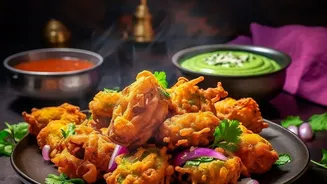
coated in a thick, savory batter made primarily from besan (gram flour), with a little rice flour added for that essential extra crispness. The batter is seasoned with spices like chilli powder, asafoetida, and sometimes carom seeds (ajwain), which adds a distinctive, slightly pungent aroma. Once dipped, the battered chillies are deep-fried until they puff up into golden, crispy torpedoes of flavour. The process is quick, the ingredients are humble, yet the result is a snack that is celebrated across the region.
The Perfect Harmony of Textures and Tastes
The magic of Molaga Bajji lies in the delightful contrast it offers. The first bite breaks through the crunchy, savoury shell of the fried batter, which immediately gives way to the soft, slightly sweet, and tangy chilli inside. To ensure the heat is enjoyable rather than overpowering, the seeds are often removed from the chillies before they are battered and fried. Some variations take it a step further by including a stuffing. This can range from a simple mix of finely chopped onions and lemon juice to more elaborate fillings like spiced tamarind paste or mashed potatoes, similar to the Rajasthani 'Mirchi Vada'. This interplay of a crispy exterior, a soft chilli, and a flavourful core makes every bite a complex and satisfying experience. It is this balance that elevates it from a simple fritter to a culinary icon.
A Snack for All Times
While the headline hails it as a breakfast classic, Molaga Bajji is most famously cherished as a teatime snack, especially during the monsoon season. The image of huddling under a shop awning, savouring a hot bajji with a cup of chai as the rain pours down, is a deeply ingrained cultural memory for many. However, its classic status comes from its sheer versatility. In some parts of Andhra Pradesh and Karnataka, it's paired with Uggani (a puffed rice upma) to become a hearty and popular breakfast. In Tamil Nadu, it is a staple at tea stalls, office canteens, and family gatherings. It even plays a role in cultural traditions, sometimes being served when a prospective groom's family visits the bride's home for the first time. This adaptability, from a quick street food bite to a substantial breakfast, is what cements its place as an all-time classic.
The Art of Serving
A Molaga Bajji is rarely served alone. The classic accompaniment is a fresh coconut chutney, its cool, creamy texture providing a perfect counterpoint to the spicy fritter. Tomato sauce or a tangy tamarind chutney are also popular choices. On the streets, vendors often slit the fried bajji open and stuff it with a mixture of chopped onions, coriander, and a squeeze of lime, sometimes adding a sprinkle of chaat masala. This final flourish adds another layer of freshness and tang, cutting through the richness of the deep-fried snack and making it even more irresistible. This tradition of customising the final serve makes the experience personal and endlessly interesting.