







A New Face for an Electric Future
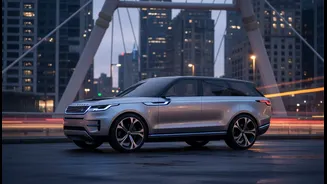
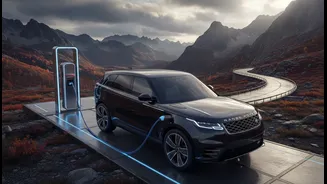
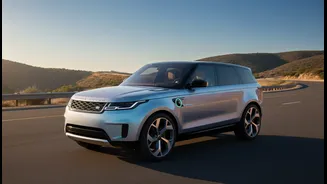
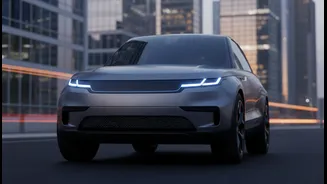
The most striking change for Land Rover's upcoming electric performance SUV is its radically different front end. The vehicle, expected to be the next-generation Velar or a similarly styled model, moves away from the traditional grille that has long defined
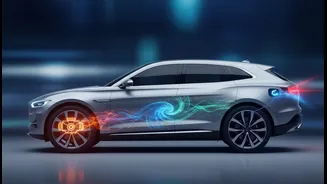
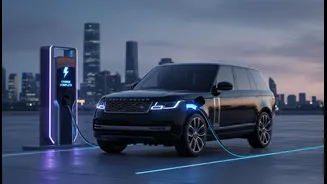
the brand's look. In its place is a smooth, sculpted, and seamless surface, a design choice that is quickly becoming a hallmark of modern electric vehicles. This minimalist aesthetic is not just for show; the absence of a large grille, which is no longer needed for engine cooling, significantly improves aerodynamics. This helps to increase the vehicle's driving range and efficiency. The design features ultra-slim LED headlights that stretch across the front, creating a sharp and futuristic signature that is both calm and quietly intimidating. This shift signals a new design language for Range Rover, one that balances its rugged heritage with a clean, digital-age sensibility.
Performance Meets Electrification
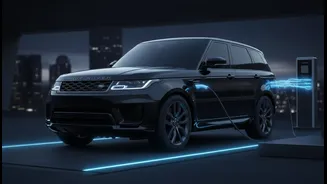
Beneath the sleek new exterior lies a platform built for serious performance. The new SUV will be one of the first models built on Jaguar Land Rover's Electrified Modular Architecture (EMA). This dedicated EV platform was engineered from the ground up for battery-electric propulsion. It incorporates an advanced 800-volt electrical architecture, which enables ultra-fast charging capabilities. Drivers can expect to charge the battery from 10% to 80% in as little as 20 minutes with a compatible high-speed charger. The platform is expected to house a battery pack of around 100kWh, targeting a driving range that will be competitive with rivals like the Porsche Macan EV and BMW iX. While official power figures are still forthcoming, the architecture supports dual-motor, all-wheel-drive configurations designed to deliver the instant torque and thrilling acceleration characteristic of high-performance EVs, with some reports suggesting it will be faster than any previous Range Rover Sport model.
A Minimalist and Tech-Forward Cabin
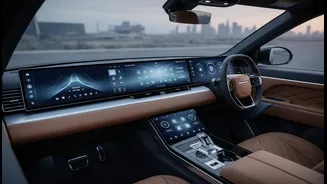
The futuristic theme continues inside. Spy shots and design previews suggest a revolutionary interior that dramatically reduces physical clutter. The dashboard is dominated by a wide, panoramic digital display that seamlessly integrates the driver’s instruments and the central infotainment system into a single, flowing interface. This move to eliminate most physical buttons creates a calm, uncluttered environment, allowing the driver to focus on the experience. The cabin is expected to feel more like modern architecture than a traditional car interior, with an emphasis on sustainable, high-quality materials and refined finishes. A large panoramic roof will likely flood the space with natural light, enhancing the sense of openness. This digital sanctuary will be powered by JLR’s Pivi Pro infotainment system, renowned for its crisp graphics and intuitive controls, and will likely feature advanced driver-assistance systems.
Positioning in a Competitive Market
Land Rover is entering an increasingly crowded and competitive premium EV market. This new performance SUV, whether it carries the Velar name or launches as a new model line, will go head-to-head with established and upcoming rivals like the Porsche Macan EV, Audi Q6 e-tron, and BMW iX. Land Rover appears to be differentiating itself by leaning heavily on design, interior experience, and its brand legacy of luxury and capability. While competitors may focus purely on raw performance, Range Rover is blending speed with a serene, lounge-like cabin and a striking exterior. The introduction of this model is a crucial part of JLR's broader 'Reimagine' strategy, which includes launching a fully electric version of the flagship Range Rover and the Range Rover Sport. Interestingly, while the EMA platform was initially conceived as EV-only, JLR has confirmed it will also support hybrid powertrains in the future, giving the company flexibility in a changing global market.