



Understanding the Science of Rust
Cast iron's greatest foe is rust, which is simply the result of iron reacting with oxygen and moisture. During periods of high humidity, like the monsoon season or in coastal regions, the air is saturated with microscopic water vapor. Your pan is constantly
exposed to this moisture, even when it's just sitting in a cabinet. Cast iron is naturally porous, and if its protective layer of seasoning is weak or uneven, this airborne moisture can settle on the surface and begin the process of oxidation, leading to those dreaded orange spots. Even a pan that appears dry to the touch can be holding onto enough microscopic moisture to trigger rust within hours.
Your First Defence: Impeccable Seasoning
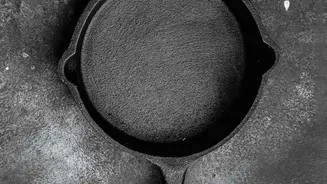
A strong layer of seasoning is your pan’s best and most essential defence against humidity. Seasoning isn't just a layer of grease; it's a baked-on, polymerized layer of oil that has chemically bonded with the iron, creating a protective, water-resistant surface. During humid months, it's crucial to ensure this barrier is intact. If you notice dull grey patches or that water no longer beads up nicely on the surface, it might be time for a maintenance session. To reinforce it, apply a very thin layer of a high-smoke-point oil (like canola or vegetable oil) to the entire pan and bake it upside down in a hot oven (around 230°C) for an hour. This simple process strengthens the protective coating, making it much harder for ambient moisture to penetrate the iron.
The Post-Cooking Ritual You Cannot Skip
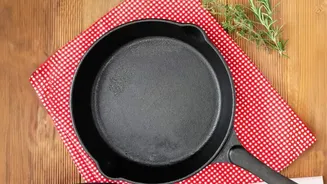
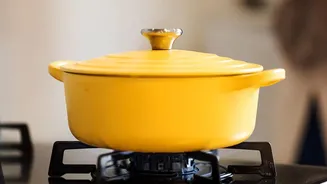
In humid weather, your after-cooking routine becomes non-negotiable. Merely wiping your pan dry with a towel is not sufficient. While a towel removes visible water, it leaves behind a microscopic film of moisture trapped in the pan’s pores. The single most effective habit to adopt is thermal drying. After washing your pan with warm water, dry it with a cloth and then place it on the stovetop over low heat for several minutes. This extra step ensures every last bit of moisture evaporates, stopping rust before it can even start. Once completely dry and while still warm, wipe a micro-thin layer of cooking oil over the entire surface before storing.
Smart Storage for Damp Conditions
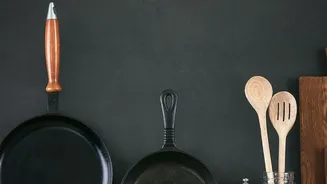
Where you store your cookware plays a significant role in its preservation. Storing a cast-iron pan under the sink or in a tightly sealed cabinet is a recipe for rust, as these areas trap moisture. Instead, opt for a dry, well-ventilated cabinet or even hang your pans on a pot rack to encourage air circulation. Storing the pan in your oven is another excellent option. If you need to stack your pans, always place a layer of paper towel between each piece. The paper towel will absorb any lingering ambient moisture and prevent the seasoned surfaces from scratching each other.
Emergency Rescue for New Rust Spots
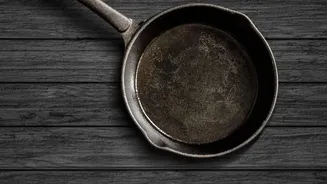
If you do spot a few flecks of orange rust, don't panic. It's easily fixable if caught early. The goal is to remove the rust without destroying all of your hard-earned seasoning. For minor spots, scrubbing the area with a paste of baking soda and water is a gentle but effective method. Another classic technique involves creating a 50/50 solution of white vinegar and water. You can soak the pan, but check it frequently—as little as an hour can be enough—as prolonged exposure to acid can damage the iron. After scrubbing the rust away with steel wool or a stiff brush, rinse the pan thoroughly, dry it completely using heat, and immediately re-season the pan to restore its protective layer.