

The Quest for Crispy Tofu
The most common mistake in preparing tofu is failing to remove its excess water. Tofu is packed in water, and if that moisture isn't pressed out, it will steam itself in the pan, resulting in a soft, crumbly texture instead of a firm, crispy one. For
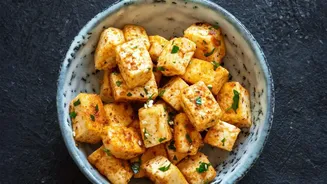
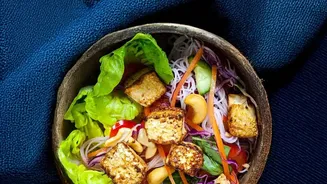
a truly great tofu bowl, texture is everything. Taking the time to press firm or extra-firm tofu is the non-negotiable first step. You can use a dedicated tofu press, but a DIY method works just as well: slice the block, place it between layers of paper towels or clean kitchen cloths, and put something heavy on top, like a cast-iron skillet or a stack of books, for at least 30 minutes. This simple action forces the water out, allowing the tofu to develop a beautiful golden crust when cooked.
The Art of the Separate Sear
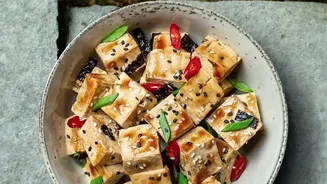
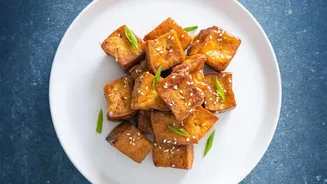
Once your tofu is pressed, the next critical step is to cook it separately from your sauce. Tossing raw, pressed tofu directly into a wet sauce is a one-way ticket to sogginess. Instead, give it the space to crisp up on its own. After pressing, you can tear the tofu into bite-sized chunks for more texture or cut it into neat cubes. Lightly coating the pieces in cornstarch before cooking is a popular trick that helps create an even crispier exterior. You can pan-fry the tofu in a hot, oiled skillet until golden brown on all sides, which usually takes about 8-10 minutes. Alternatively, baking or air-frying are also excellent methods for achieving that coveted crunch without much hands-on effort. Only after the tofu is crisped should it be introduced to the sauce.
Meet Gochujang: The Soul of the Sauce
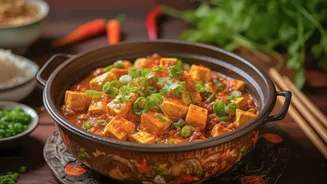
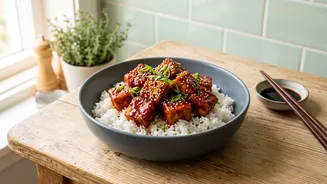
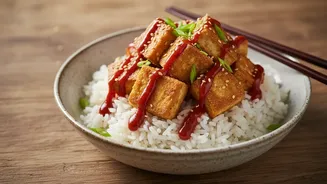
With your tofu perfectly crisped, it's time to introduce the star flavour: gochujang. This Korean fermented chili paste is much more than just a hot sauce. Made from red chili powder, glutinous rice, fermented soybeans, and salt, it delivers a complex taste experience. Gochujang offers a unique combination of savoury umami, a subtle sweetness from the fermentation process, and a satisfying, earthy heat that lingers without being overwhelming. Its thick, paste-like consistency makes it an ideal base for a sticky, flavourful glaze that will cling to every nook and cranny of the crispy tofu. It provides a depth of flavour that simpler hot sauces just can't match.
Crafting the Gochujang Glaze
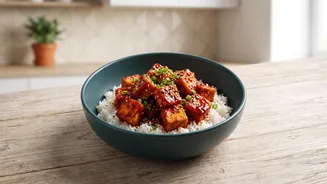
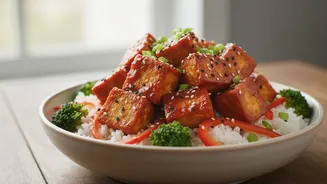
While gochujang is powerful on its own, it truly shines when balanced with other ingredients. A classic gochujang sauce for a tofu bowl combines the paste with a few key components to round out its flavour. A typical glaze will include soy sauce for saltiness, a sweetener like maple syrup or agave to enhance its natural sweetness, rice vinegar for a touch of acidity, and grated garlic and ginger for aromatic depth. Toasted sesame oil is another common addition that provides a nutty finish. Simply whisk these ingredients together in a bowl or a small pan. You can then gently heat the sauce until it thickens slightly before tossing your freshly crisped tofu in it, ensuring every piece gets an even, glossy coating.
Assembling the Perfect Bowl
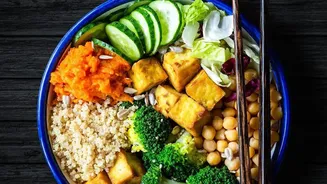
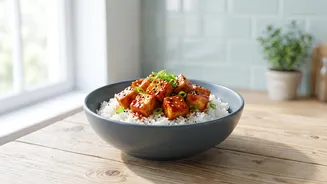
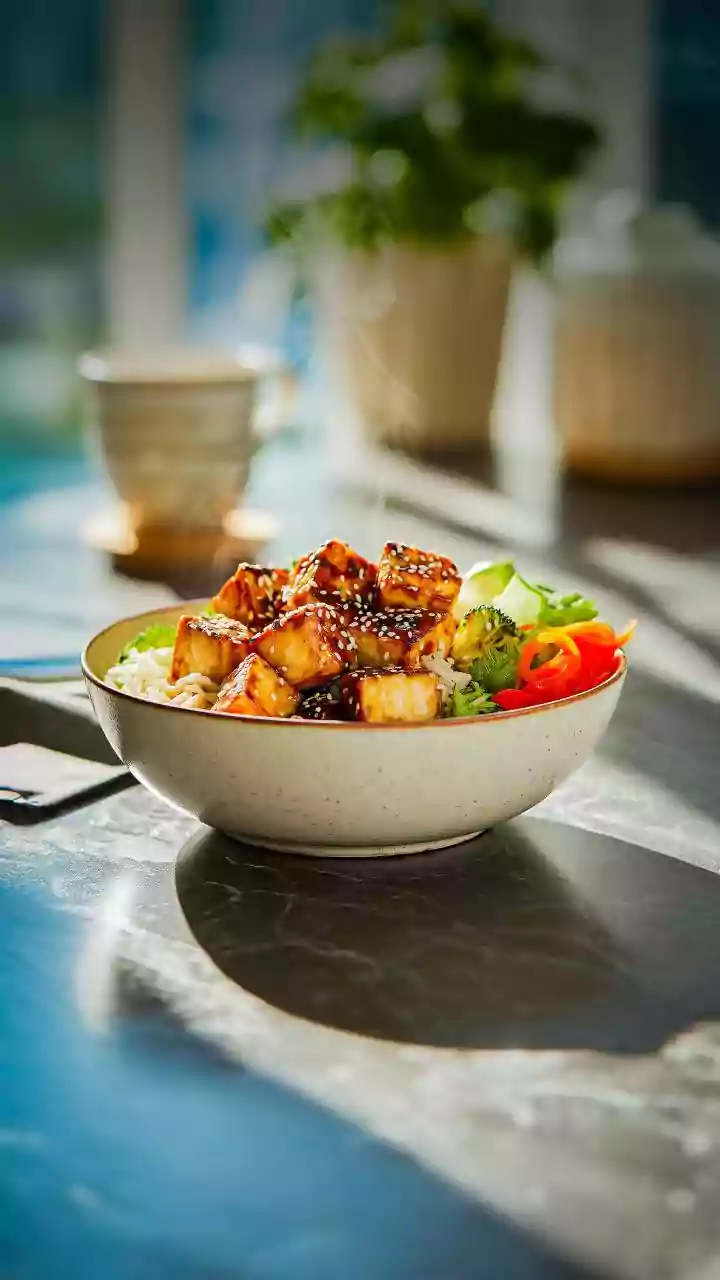
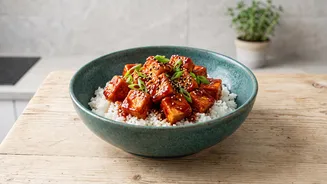
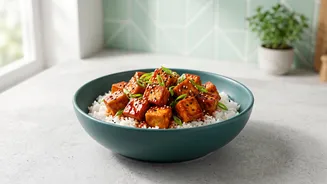
The final step is bringing all the elements together. A great rice bowl is a study in contrasts—hot and cool, crunchy and soft, spicy and fresh. Start with a base of fluffy steamed rice. Arrange your sticky, spicy gochujang tofu on one side. To balance the richness and heat, add fresh, crunchy vegetables. Quick-pickled cucumbers or radishes, a simple slaw made with rice vinegar, or steamed broccoli are all excellent choices. Finish your creation by garnishing with toppings that add another layer of texture and flavour, such as toasted sesame seeds, thinly sliced spring onions, or fresh coriander. The result is a vibrant, satisfying meal that hits all the right notes.