



The Fibre Foundation
First, let's talk about the common ground: fibre. Dietary fibre is crucial for maintaining a healthy digestive system, helping to prevent constipation and support gut health. It also plays a role in managing weight, blood sugar, and cholesterol levels.
Both carrots and spinach are good sources of this essential nutrient. Carrots tend to have slightly more fibre per serving than spinach, with a medium carrot providing about two grams. However, both contribute valuable bulk to your diet, promoting regularity and overall wellness.
Carrots: The Visionary Root
Carrots are most famous for their incredible Vitamin A content. They are packed with beta-carotene, a powerful antioxidant that the body converts into Vitamin A. This vitamin is essential for maintaining good vision, particularly in low light, and supports a strong immune system. Studies suggest that diets rich in carotenoids may also help reduce the risk of certain cancers and contribute to lower blood cholesterol levels. Carrots also provide a useful amount of potassium, which is important for managing blood pressure, and Vitamin K1, which aids in blood coagulation.
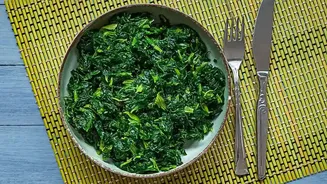
Spinach: The Iron-Clad Leaf
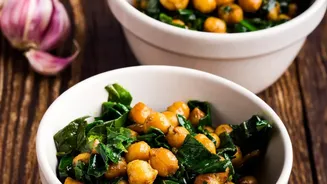
Spinach, on the other hand, is a nutritional powerhouse in its own right, celebrated for its high iron content. Iron is vital for creating haemoglobin, the protein in red blood cells that carries oxygen throughout the body. While plant-based iron is absorbed differently than animal-based iron, pairing spinach with a source of Vitamin C can significantly boost its uptake. Spinach is also an absolute champion when it comes to Vitamin K, which is essential for bone health. Furthermore, it is a great source of folate, calcium, and magnesium, and antioxidants like lutein and zeaxanthin, which support eye health by protecting against age-related damage.
A Nutritional Head-to-Head
When placed side-by-side, the differences become clear. Per 100 grams, carrots are higher in Vitamin A and carbohydrates, including natural sugars. Spinach is lower in calories and sugar but contains significantly more Vitamin K, iron, calcium, folate, and potassium. For instance, spinach contains over 30 times more Vitamin K and about eight times more iron than carrots. While carrots are the undisputed king of beta-carotene, spinach offers a broader array of minerals and certain vitamins in higher concentrations.
Maximising Their Benefits
How you prepare these vegetables matters. Cooking carrots can actually make the beta-carotene more available for your body to absorb. Since Vitamin A is fat-soluble, eating carrots with a source of healthy fat, like olive oil or avocado, further enhances absorption. For spinach, cooking can increase the bioavailability of some nutrients like iron and calcium, but it can degrade heat-sensitive vitamins like Vitamin C. To get the most iron from spinach, it's beneficial to pair it with Vitamin C-rich foods like bell peppers or citrus.