





What is 'Sustainable Space'?
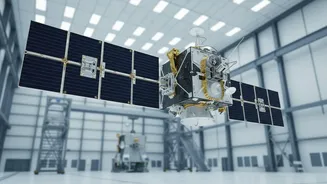
For decades, the space around our planet was treated like an infinite resource. Defunct satellites and spent rocket stages were simply left to drift, creating a high-speed minefield of space junk. Today, sustainability in space is about managing this
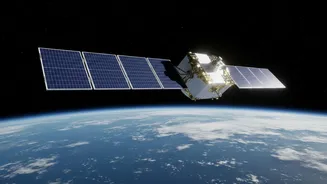
environment responsibly. It means designing satellites that can be safely removed from orbit, actively cleaning up existing debris, and coordinating space traffic to prevent collisions. This isn't just an environmental issue; it's an economic one. A single major collision could create thousands of new debris fragments, threatening essential infrastructure for communications, navigation, and weather forecasting that we rely on daily. The goal is to ensure that Low Earth Orbit (LEO) remains usable for future generations.
Key Takeaways from the SMOPS-2026 Agenda
The International Conference on Spacecraft Mission Operations (SMOPS-2026), held in Bengaluru, brought together global space agencies, private companies, and policymakers to address these challenges. The theme, "Innovative Operations for Smart and Sustainable Space Mission Management," underscored the urgency. A central point of discussion was the shift from voluntary guidelines to enforceable regulations. One of the most significant rules, already enforced by bodies like the U.S. Federal Communications Commission (FCC), is the '5-year deorbit rule'. This mandate requires operators to ensure their satellites in LEO are removed from orbit within five years of mission completion, a drastic reduction from the previous 25-year guideline. The conference highlighted the need for international consensus on such rules to avoid a fragmented and ineffective global response.
The Business of a Cleaner Orbit
These new sustainability mandates are reshaping the business of space. For satellite manufacturers and operators, it introduces new costs and design challenges. Satellites must now have reliable propulsion systems for de-orbiting manoeuvres, which adds weight, complexity, and expense. However, it also sparks innovation. A new market is emerging for 'in-orbit services', including satellite inspection, refuelling, and active debris removal (ADR). Companies are developing technologies like robotic arms and harpoons to capture and deorbit dead satellites. ESA's ClearSpace-1 mission, planned for 2026, is a key demonstrator of this technology. For investors and insurers, a company's debris mitigation plan is becoming a critical factor in risk assessment, influencing everything from launch insurance premiums to investment decisions. Non-compliance is also becoming costly, with the FCC issuing its first fine for a debris violation in 2023.
India's Stake in a Sustainable Future
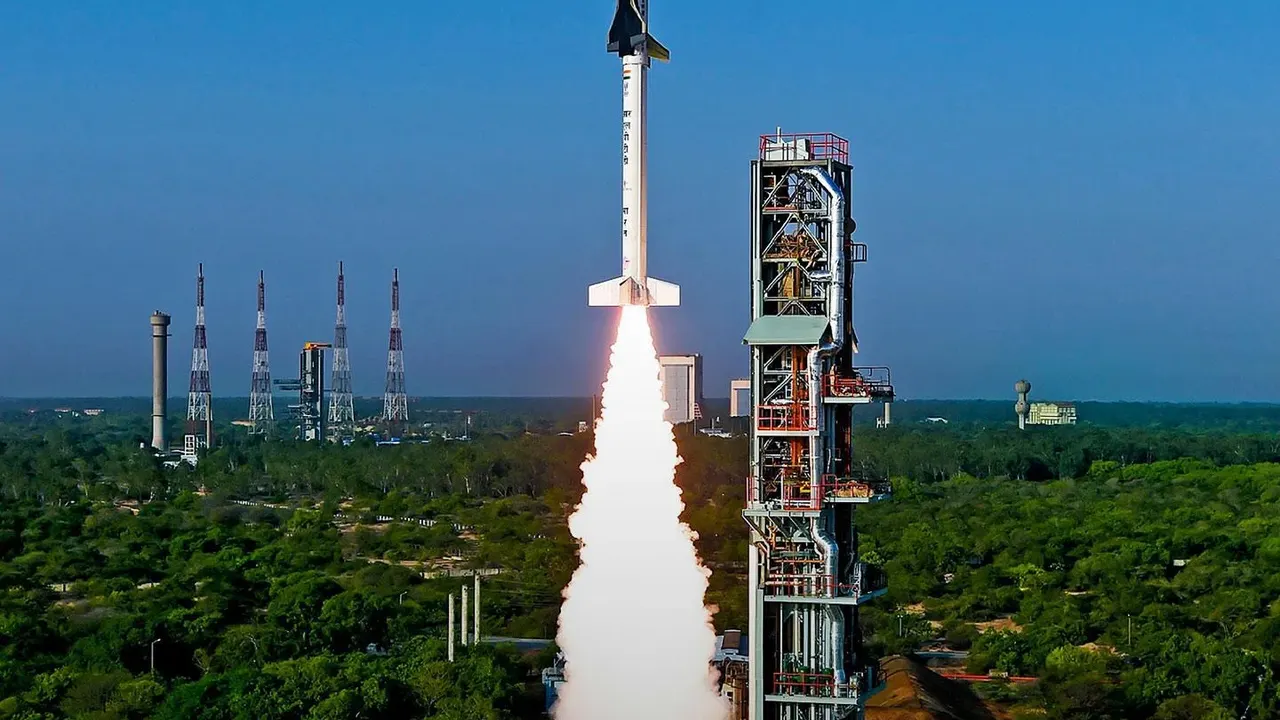
With its rapidly growing space economy, projected to reach $44 billion by 2033, India has a major stake in ensuring long-term orbital sustainability. The Indian Space Policy 2023 already encourages private participation and responsible operations. ISRO has demonstrated its commitment through proactive measures, such as the controlled re-entry of the Megha-Tropiques satellite and de-orbiting rocket stages to significantly reduce their orbital lifetime. The establishment of ISRO System for Safe and Sustainable Space Operations Management (IS4OM) is another key step, designed to monitor space objects and mitigate collision risks. Hosting SMOPS-2026 positioned India as a central player in shaping the global conversation. For the nation's burgeoning space startups, integrating sustainable design from the outset will be crucial for competing on the global stage and accessing international markets that increasingly demand compliance with new orbital rules.