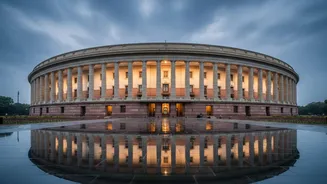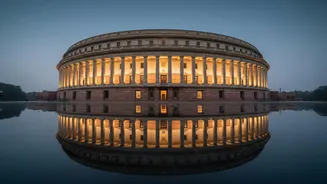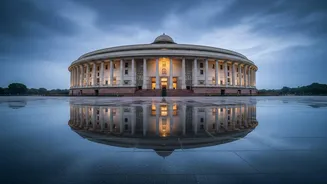





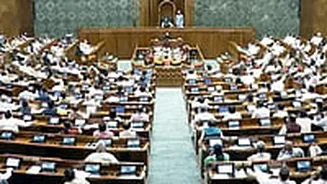
The Price of Disruption
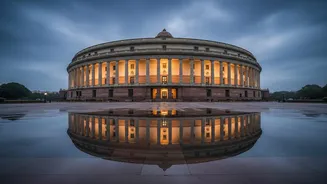
Every minute of a parliamentary session is paid for by the public exchequer. While official, up-to-date figures are not frequently released, a widely cited estimate suggests that running a parliamentary session costs about ₹2.5 lakh per minute. This translates
to a staggering ₹1.5 crore per hour and nearly ₹9 crore for a typical six-hour sitting day. These costs don't simply vanish when the Houses are adjourned amid protests. Expenses for salaries, security, and the maintenance of the Parliament building continue to accrue, whether legislative work is accomplished or not. During the Budget Session in early 2026, for example, it was estimated that disruptions led to a combined loss of approximately ₹57 crore.
More Than Just Money
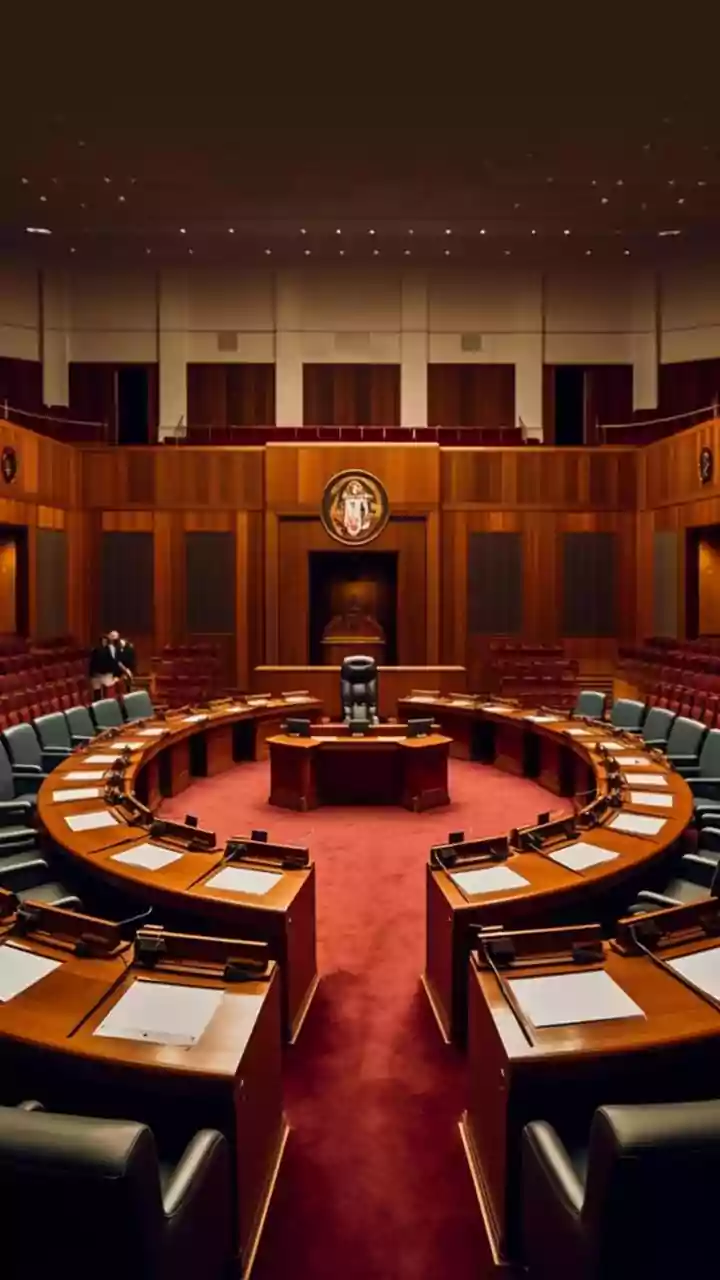
The financial drain is just one part of the story. The primary function of Parliament is to legislate and hold the government accountable. When sessions are washed out, this core purpose is undermined. Productivity plummets, with crucial legislative hours lost to sloganeering and adjournments. Recent sessions have seen productivity in the Lok Sabha and Rajya Sabha fall significantly below their historical averages. For instance, frequent disruptions during the Monsoon Session in 2026 meant that crucial time for debate was lost, a recurring pattern that hampers governance. This loss of time means fewer bills are scrutinised, fewer public issues are debated, and the government faces less questioning.
A Growing Backlog of Bills
The ultimate legislative casualties of washouts are the bills themselves. Important pieces of legislation, some with significant social and economic implications, are often left pending or are pushed through without adequate debate. In recent sessions, bills concerning judicial appointments, amendments to evidence laws, and even the sanctioned strength of the Supreme Court have been passed amidst din and protest, with little to no discussion. This 'guillotine' method of passing laws bypasses the essential democratic process of scrutiny and deliberation by parliamentary committees and the houses at large. Bills on topics ranging from healthcare and labour to data privacy and financial regulation can remain stuck in the pipeline, delaying reforms and affecting millions of lives.
The Politics of Pandemonium
Disruption has become a frequently used political tool. For the Opposition, it is a way to protest government policies and force discussions on contentious issues, especially when they feel their voices are not being heard through conventional means. For the government of the day, a disruptive opposition can sometimes be a convenient excuse to pass legislation quickly without facing tough questions or amendments. This creates a cycle of blame where both sides accuse each other of disrespecting the institution, while the actual work of Parliament suffers. The result is a weakening of democratic accountability, where confrontation replaces conversation.
What is the Impact on Governance?
When bills are passed without debate, the quality of legislation can suffer. The process of sending a bill to a standing committee for detailed examination is a vital check on its provisions. However, during periods of disruption, this step is often skipped. In the 2023 Monsoon Session, for example, a significant number of bills were passed with less than an hour of discussion each, with some cleared in a matter of minutes. This haste prevents experts and stakeholders from providing input and denies MPs the chance to thoroughly vet the laws that will govern the country. It also means that Question Hour, a critical tool for MPs to hold ministries accountable for their performance, is frequently sacrificed.