






Major Relief on Upfront Costs
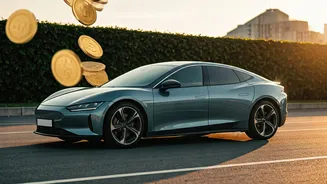
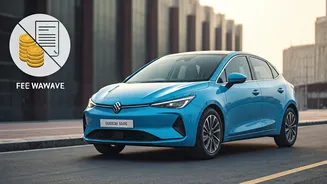
The most immediate and impactful benefit for prospective car buyers is a complete waiver on road tax and registration fees. This 100% exemption applies to all new battery electric cars with an ex-showroom price up to ₹30 lakh. For a mid-range EV, this
can translate into savings of well over a lakh, directly tackling the higher initial cost that has been a major barrier for many. The policy, which is set to remain in effect until March 31, 2030, provides a long-term window for this benefit, though cars priced above the ₹30 lakh cap will not be eligible for the waiver.
Generous Scrappage and Purchase Incentives
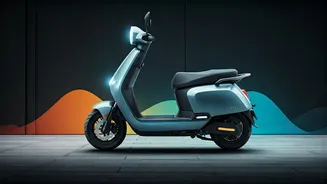
To accelerate the transition and remove older, more polluting vehicles from the roads, the new policy introduces a substantial scrappage incentive. Owners of BS-IV or older petrol or diesel cars can receive a ₹1,00,000 bonus when they scrap their old vehicle and purchase a new EV. This is on top of other benefits and is limited to the first 1,00,000 applicants. The policy also extends support to two-wheeler and three-wheeler buyers. In the first year, electric two-wheeler purchasers can get a subsidy of up to ₹30,000, while e-three-wheeler buyers can get up to ₹50,000, with these amounts tapering in subsequent years to encourage early adoption. All subsidies are designed to be paid directly to the buyer's bank account.
A Clear Roadmap for an Electric Future
Beyond individual incentives, the policy lays out an aggressive timeline to phase out internal combustion engine (ICE) vehicles in key segments. From January 1, 2027, new registrations for auto-rickshaws and certain commercial trucks (N1 category) must be electric. An even bigger shift will occur from April 1, 2028, when the registration of new petrol and CNG two-wheelers will be stopped entirely, effectively making the two-wheeler market in the capital all-electric for new purchases. This provides clear, long-term direction for both consumers and the automotive industry.
Boosting the Broader Ecosystem
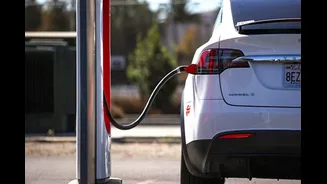
Addressing the crucial issue of range anxiety, the Delhi government plans to significantly expand the city's charging infrastructure. The policy outlines a plan to install over 30,000 new charging points across the city over the next four years, making it more convenient for residents to power their vehicles at home, at work, and on the go. This commitment is backed by a substantial budget of over ₹7,000 crore, intended to build a robust and reliable support system for the growing fleet of EVs in the national capital.