





A Tale of Two Odysseys
This summer, audiences are faced with a fascinating choice that goes beyond picking a movie. Christopher Nolan’s much-anticipated 'The Odyssey' is set to dominate theatres starting July 17. With Matt Damon in the lead, a colossal $250 million budget,
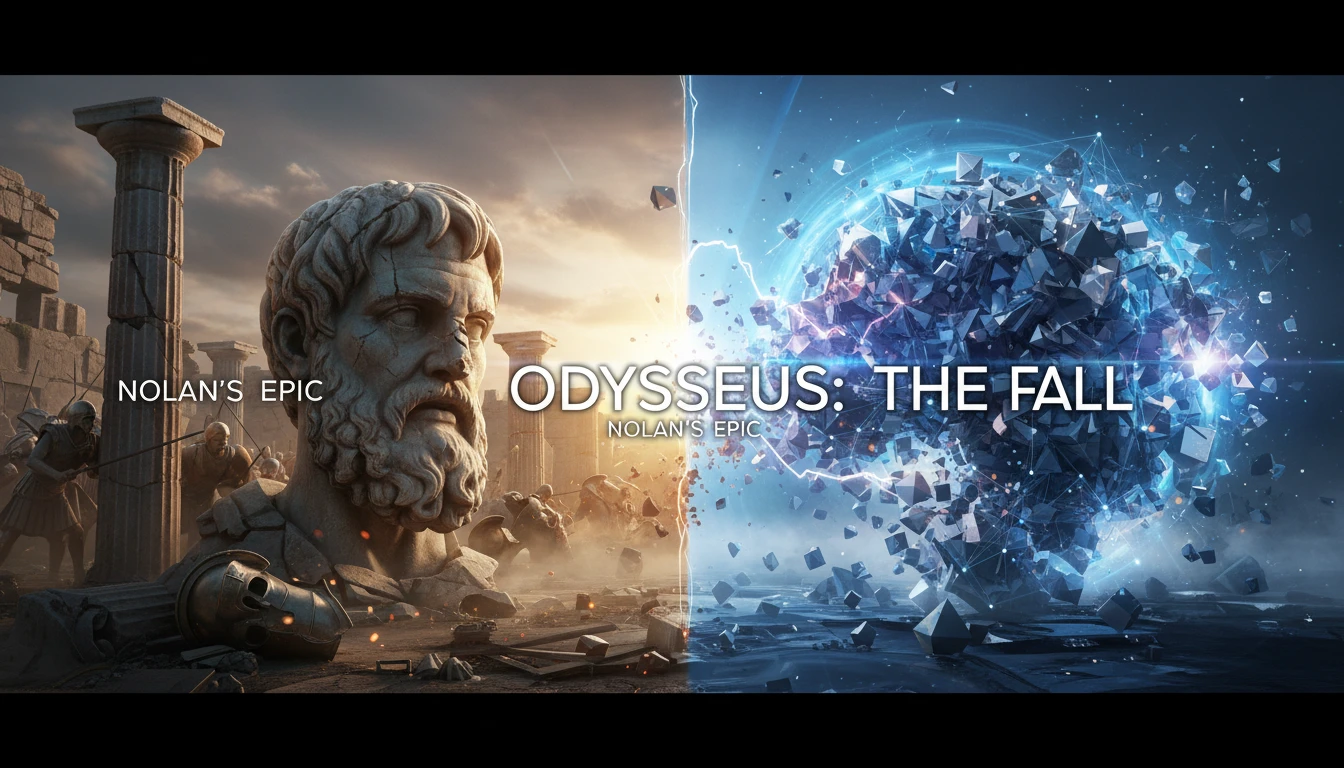
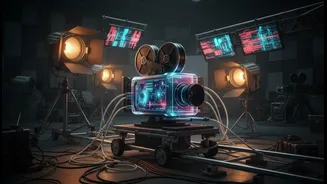
and spectacular scenes shot on IMAX cameras, it represents the pinnacle of blockbuster filmmaking. But arriving in its wake is a different kind of epic: 'Odysseus: The Fall'. This version wasn't filmed on location or with A-list actors; it was generated entirely by artificial intelligence over three months of part-time work by its creator, Ash Koosha. The clash isn't just about two interpretations of a classic story; it's a profound statement on the future of filmmaking itself.
The Nolan Spectacle
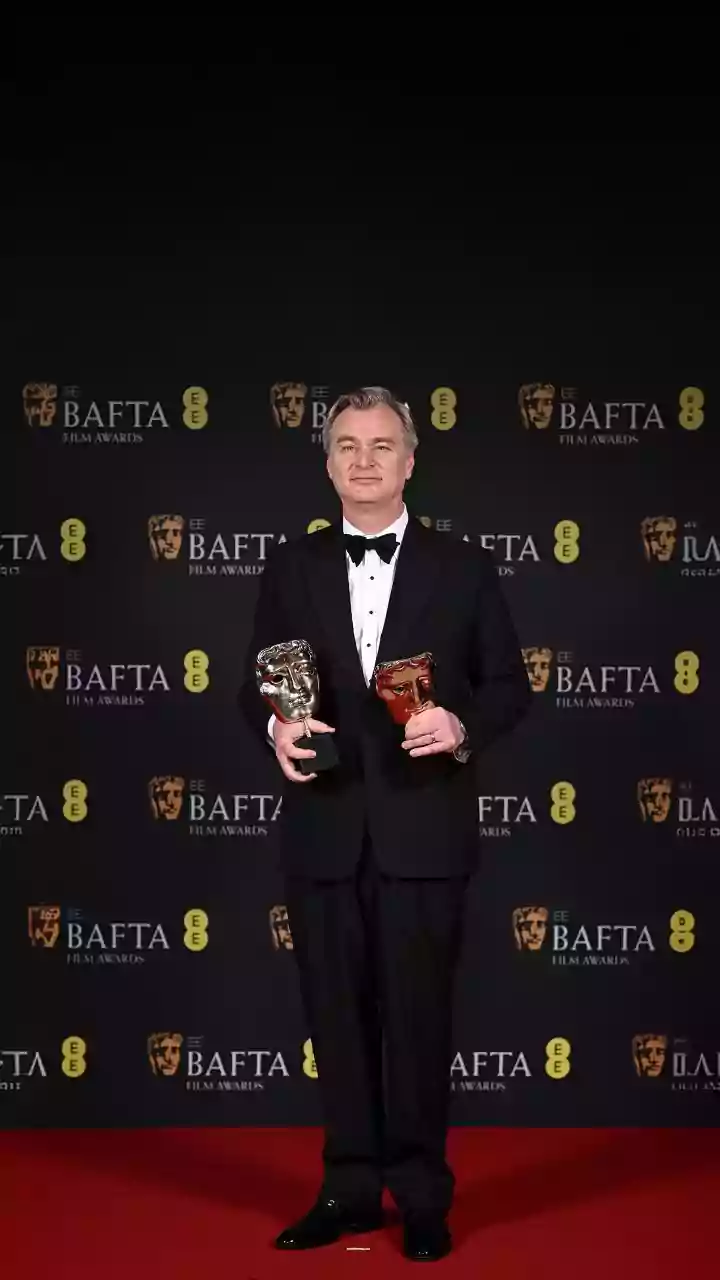
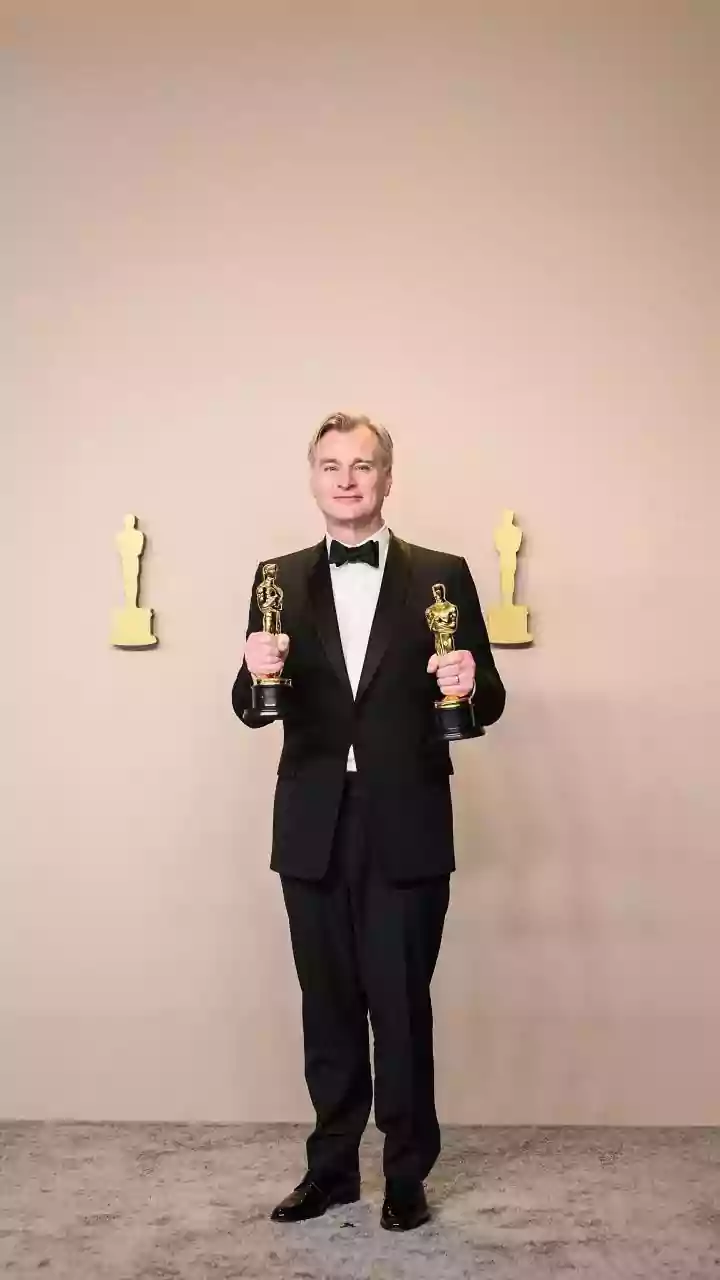
For years, Christopher Nolan has been the standard-bearer for ambitious, high-concept cinema that commands a mass audience. From 'Inception' to 'Interstellar', his name is synonymous with intellectual puzzles wrapped in jaw-dropping visual spectacle. His 'The Odyssey' is no different. Early reviews praise it as a masterpiece, an exhilarating and magnificent epic that balances Homer's grand adventure with an intimate, human story. Nolan employs his signature practical effects and immersive sound design to create a visceral experience, from a terrifying Cyclops sequence to chaotic, large-scale battles. The goal is clear: to create an unmissable theatrical event that justifies its massive budget and aims for box-office supremacy.
The AI Experiment
In stark contrast, 'Odysseus: The Fall' is an exercise in digital artistry and provocation. Produced by the AI film studio Fountain 0, its creator Ash Koosha used AI models to generate the 135-minute film, even basing the hero's likeness on himself. The studio’s executive producer, Tom Rogers, has been explicit about the timing, stating they wanted to provide a direct comparison to Nolan’s film. The aim isn't to compete for ticket sales but to spark curiosity and conversation. The creators want to demonstrate that AI can democratize ambitious filmmaking, allowing epic stories to be told without needing hundreds of millions of dollars. This approach, however, has been met with both fascination and skepticism, with some critics questioning if the technology is ready for primetime.
Art vs. Algorithm
The simultaneous release of these two films crystallizes a major anxiety within the creative world. Is AI a tool for artists, or a replacement? While Koosha describes his film as a lifelong passion project, not just an opportunistic stunt, industry groups are sounding the alarm. Organizations representing actors and creators have voiced concerns about synthetic competition and the potential threat to human storytelling. Nolan’s film represents the power of human collaboration on a massive scale, involving thousands of artists, technicians, and performers. Koosha's film, while artistically driven, represents a future where a single person with a powerful computer can generate a competing product. The question it poses to audiences is what they value more: the human touch or the novelty of the new?
An Audience for Everything
Ultimately, the battle between the two Odysseys may not have a single winner. It's unlikely that 'Odysseus: The Fall' will divert any significant portion of Nolan’s audience. Its purpose is different. It’s for the curious, the tech-enthusiasts, and those interested in the bleeding edge of media. It’s a conversation starter, while Nolan’s film is a cultural event. The existence of both films signals a diversifying media landscape. There is room for the awe-inspiring blockbuster designed for the biggest screen possible, and there is a growing niche for experimental projects that challenge our definitions of art and entertainment. The audience, now with more choices than ever, gets to decide what kind of journey they want to take.