



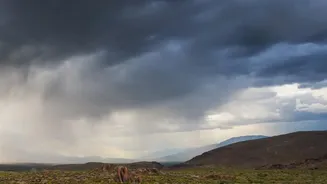
What is a Dry Downdraft?
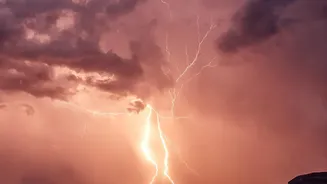
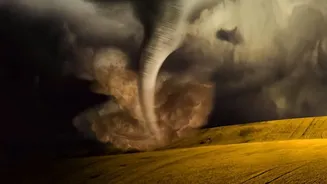
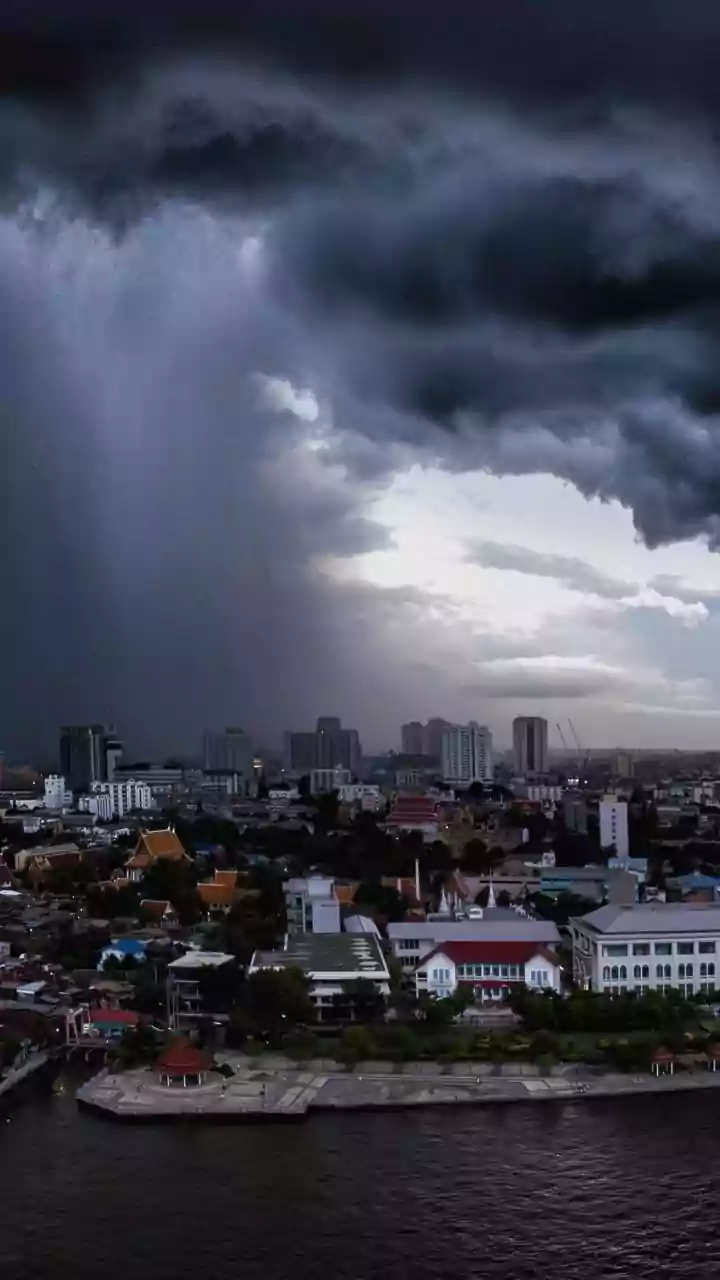
A dry downdraft is a powerful column of sinking air that rushes out from the base of a thunderstorm. It occurs when precipitation, such as rain or hail, falls from the cloud but evaporates in a layer of very dry air before it can reach the ground. This
process of evaporation, called virga, significantly cools the air in the column. Because this cooled air is denser and heavier than the surrounding warmer air, it accelerates downwards, hitting the ground and spreading out in all directions as a strong, gusty burst of wind, sometimes called an outflow. The key feature is that these dangerous winds arrive without any of the rain that was originally produced by the storm.
The Triple Threat to Firefighting
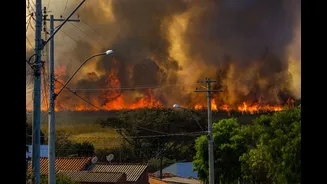
When a downdraft hits an active wildfire, it dramatically escalates the danger for several reasons. First, the sudden and powerful rush of wind acts like a bellows, injecting a massive supply of oxygen into the flames. This can cause the fire to grow in size and intensity almost instantly. Second, the winds are often erratic and can change direction without warning. This makes the fire's spread dangerously unpredictable, capable of pushing flames across containment lines and threatening firefighting crews who may suddenly find themselves in the fire's path. Finally, these winds can pick up burning embers and cast them far ahead of the main blaze, sometimes by kilometres. These embers can then start new 'spot' fires, allowing the wildfire to jump across natural and man-made barriers like rivers and roads.
When Fires Create Their Own Weather
The relationship between fire and atmosphere can become a vicious cycle. Very large and intense wildfires release so much heat that they can generate their own weather systems. The extreme heat forces air to rise rapidly, carrying smoke, ash, and moisture high into the atmosphere. As this plume rises and cools, it can form a pyrocumulonimbus cloud, essentially a thunderstorm born from a fire. These fire-generated storms are particularly hazardous because they can produce their own severe downdrafts. This creates a terrifying feedback loop where the fire creates a storm, and the storm's downdraft then makes the fire even more intense and erratic.
The Challenge in Indian Forests
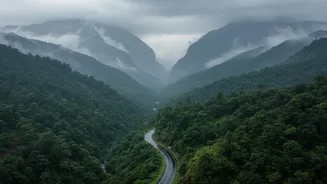
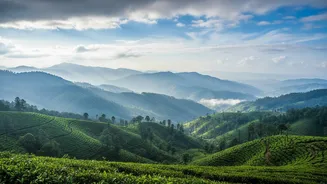
This phenomenon poses a significant challenge for forest management and disaster response in India, particularly in the Himalayan states like Uttarakhand and Himachal Pradesh, which are prone to seasonal forest fires. The mountainous terrain can further complicate wind patterns, making downdraft-driven fires even more difficult to predict and fight. As fire seasons become longer and more intense, understanding these complex atmospheric interactions is crucial. For firefighters on the ground, the sudden arrival of a gust front from what appears to be a non-threatening cloud can be a life-threatening event. Improved weather forecasting that specifically monitors for conditions conducive to dry downdrafts is becoming an essential tool in protecting both communities and the personnel tasked with fighting these blazes.