




The Comeback is Real and Measurable
After a period of subdued activity, first-time car buyers are flocking back to showrooms. Their share in the market has seen a notable jump, providing a much-needed boost to the entire industry. Maruti Suzuki, a bellwether for the Indian market, reported
that first-time buyers accounted for 54% of its sales between April and August, a significant rise from 42% in the previous year. Other major players like Tata Motors and Mahindra & Mahindra have also reported a clear uptick in this segment, confirming the trend is industry-wide. This resurgence is helping the passenger vehicle market widen, with growth happening at both the premium and entry levels.
What's Fuelling This Renewed Drive?
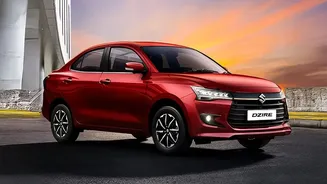
A primary catalyst for this comeback has been a crucial government policy change. A reduction in the Goods and Services Tax (GST) for smaller vehicles, which slashed the rate from 28% to 18%, has made entry-level cars significantly more affordable. This tax adjustment has been instrumental in bringing car ownership within reach for many households that were previously priced out of the market. Alongside this, the increased availability and accessibility of car loans have played a pivotal role. Financial institutions are now offering more attractive options, including lower down payments and flexible EMIs, making it easier for young professionals and middle-class families to finance their first car.
The New Face of Car Ownership
The profile of today's first-time car buyer is evolving. A large portion falls within the 25-34 age demographic, a generation with rising disposable incomes and a strong desire for personal mobility. This trend is particularly strong in non-metro and rural areas, which have been outpacing urban centres in sales growth. Improved rural incomes, better access to financing, and an expanding dealership network have combined to unlock demand beyond the big cities. Many of these new buyers are upgrading from two-wheelers, seeing a car as the next logical step in their personal and financial development.
The Surprising Shift to SUVs
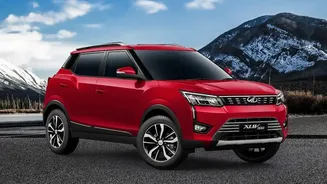
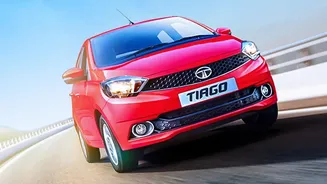
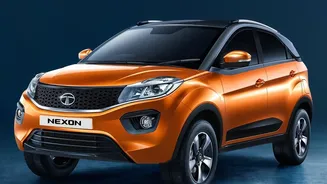
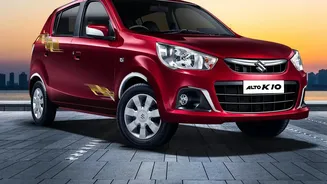
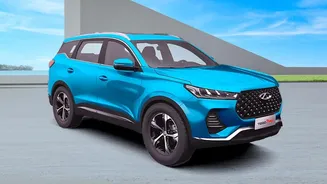
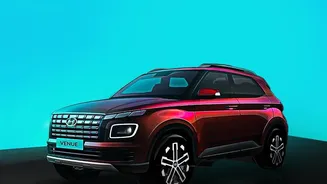
While the GST cut has revived the fortunes of traditional small hatchbacks, many first-time buyers are setting their sights higher. There is a clear and growing preference for compact and sub-compact SUVs. These vehicles offer a compelling mix of style, higher ground clearance, and a feeling of safety and space that appeals to aspirational buyers. Automakers have responded by launching a variety of feature-rich SUVs at competitive price points. This means that even as entry-level hatchbacks see a recovery, a significant portion of new buyers are choosing to start their car ownership journey with an SUV, a vehicle class that now accounts for over half of all passenger vehicle sales in India.
Implications for India's Auto Industry
The return of the first-time buyer is a strong indicator of broad-based economic health and rising consumer aspirations. It signals a renewed momentum towards mass motorisation, a journey that had slowed in recent years. For automakers, this trend is prompting a dual focus: strengthening their entry-level portfolios to capture the price-sensitive buyer while simultaneously expanding their SUV offerings to meet aspirational demand. The increased sales volumes have encouraged manufacturers to invest in expanding their production capacity, signalling confidence in sustained future growth. Ultimately, this comeback is more than just numbers; it's a story of an evolving Indian consumer who is confident, aspirational, and ready to hit the road.