


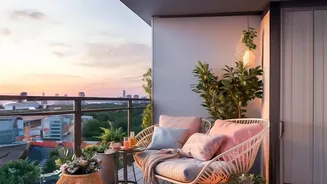
Map Your Sunlight First
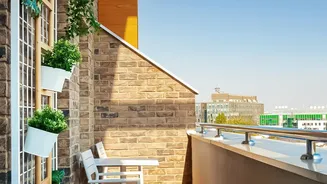
Before moving a single pot, become an observer. The most critical factor for plant health is sunlight, and your balcony is a microclimate with distinct sunny and shady zones. Track how the sun moves across your space throughout the day. A south or west-facing
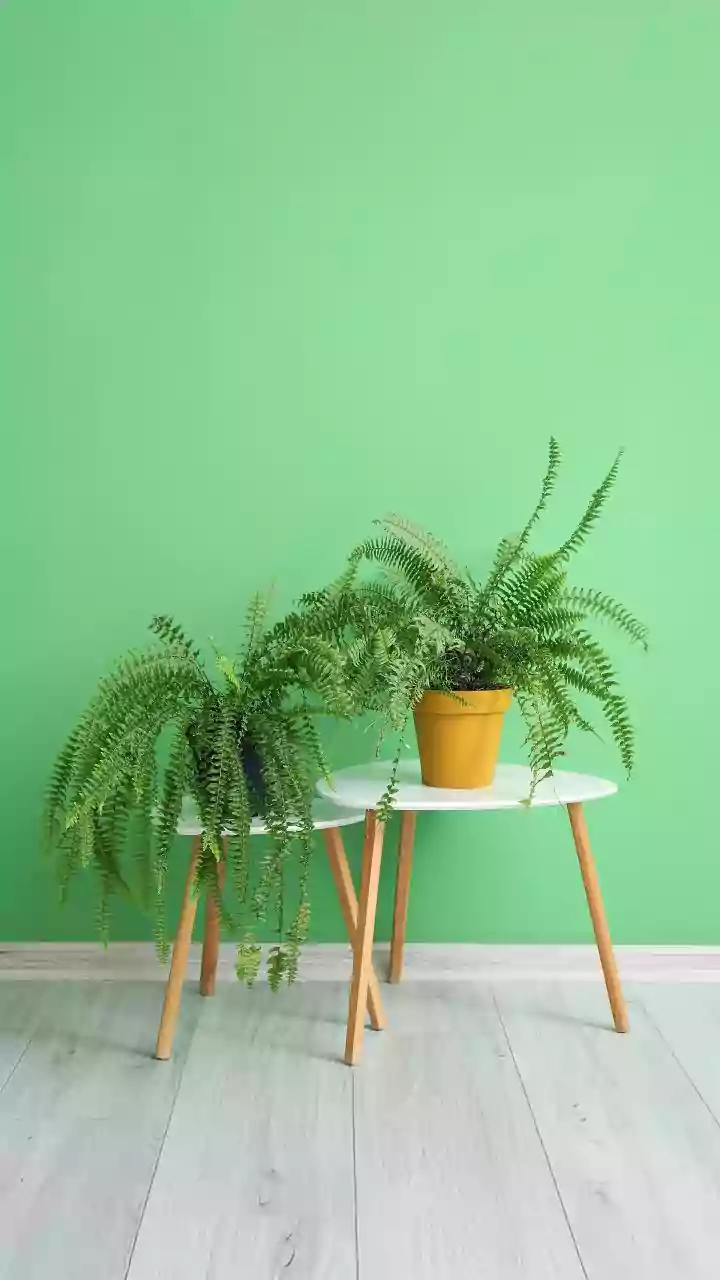
balcony might get intense afternoon sun, ideal for sun-loving plants like tomatoes or petunias. An east-facing one gets gentle morning light, while a north-facing balcony might remain in shade for most of the day, perfect for ferns and hostas. Place plants that need at least six hours of direct sun in the brightest spots. This simple audit is the foundation of a successful balcony garden.
Prioritise Air Circulation
Plants breathe, and stagnant, humid air is a primary cause of fungal diseases and pest infestations, especially in enclosed spaces. A common mistake is pushing pots tightly together or against a wall, which traps moisture and restricts airflow. Ensure there is a small gap between each container to let air circulate freely. Using open-frame stands instead of solid shelves can also significantly improve ventilation. Good air circulation helps leaves dry faster after watering, strengthens stems, and creates a less inviting environment for common pests, keeping your plants healthier with less intervention.
Group Plants by Their Needs
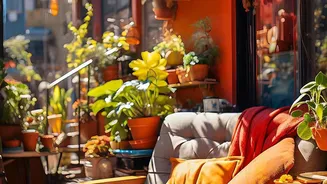
Arranging pots by size or colour is tempting, but grouping them by care requirements is far more practical. Plants with similar light and water needs should live together. For example, keep drought-tolerant Mediterranean herbs like rosemary and oregano in one area, as they prefer their soil to dry out. Moisture-loving plants like basil or ferns can form another group. This strategy, often called 'companion planting', makes your watering routine dramatically more efficient. You’ll know that one section needs frequent watering while another can be left alone, preventing both over- and under-watering.
Go Vertical to Maximise Space
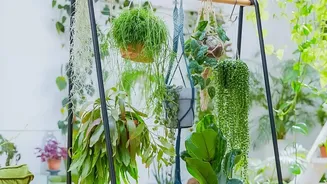
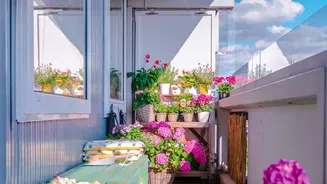
In a small space, the only way to go is up. Vertical gardening is a game-changer for balconies, allowing you to grow significantly more without cluttering the floor. Use tiered plant stands, wall-mounted planters, hanging baskets, or trellises to create layers of green. This technique does more than just save space; it also improves light exposure and airflow for all your plants. Taller plants can be placed on lower levels, while trailing plants can cascade from railings or hanging pots, creating a lush, 'living wall' effect.
Create Levels for Better Access
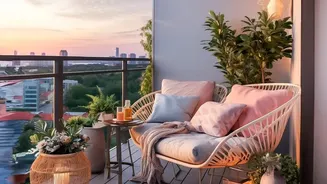
Keeping all your pots at floor level means taller plants will inevitably block sunlight from shorter ones. A simple solution is to create height variations. Use pot stands, bricks, or even overturned pots to elevate smaller containers. This layered approach ensures every plant gets its share of light and isn't hidden in the back. A classic design principle is to place tall plants at the back (against a wall), bushy 'filler' plants in the middle, and trailing 'spiller' plants at the front or edges. This not only looks visually appealing but also ensures every plant is visible and accessible.
Arrange for Easy Watering
A difficult watering routine is a recipe for neglected plants. Arrange your layout to ensure a clear path for movement and easy access to every pot. Place thirstier plants or those you need to check daily closer to your door or water source. If you have many small pots, grouping them on a tray can streamline watering and cleanup. Consider placing large, heavy pots on wheeled caddies, which allows you to move them easily for cleaning, seasonal sun changes, or just to redesign your space. Never block your balcony's drainage outlet with planters.