


A Simple Plan to Survive
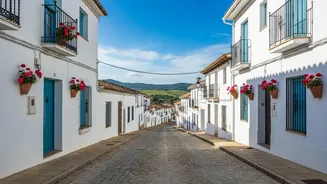
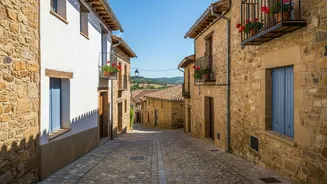
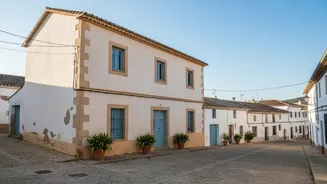
In 2021, Griegos was a village holding on by a thread. Home to just over 130 people, it is one of Spain's highest municipalities, nestled in the scenic but harsh Sierra de Albarracín. Like thousands of other villages across what is known as 'España Vaciada'
or 'Emptied Spain', Griegos was suffering from decades of depopulation as residents left for cities in search of work and opportunities. The most immediate crisis was its school, which had only nine pupils. If that number dropped further, the school would close, effectively sounding the death knell for the community's future. The town council devised a plan: offer jobs and housing to a family with school-aged children. The deal was specific and seemingly modest: two jobs, one in the local restaurant and another at the municipal hostel, three months of free rent in a town-owned house, and a subsequent subsidised rent of €225 per month, with a €50 discount for each child. The goal was simple: add at least two or three more children to the school roster and ensure its survival.
The Unforeseen Flood
To get the word out, the village created a promotional video. It featured two young girls talking about the lack of students at their school, a heartfelt plea that captured the village's plight. They put it on social media, hoping to attract some interest from around Spain. What happened next was something no one in Griegos could have anticipated. The offer went viral. The story of a remote, beautiful village offering a new life resonated with thousands of people tired of urban living, high rents, and the daily grind. The town hall's phone began to ring incessantly. Emails poured in. Within a short period, the tiny municipality with 138 residents had received over 3,000 applications. The interest came not just from Spain, but from all over Latin America, Croatia, and Romania. A plan designed to attract one family had suddenly attracted the attention of a small city's worth of people. The small town council was completely and utterly overwhelmed.
The Reality Behind the Dream
The deputy mayor, Ernesto Agustí, who had championed the initiative, found himself in an impossible position. He and the small council team had to sift through thousands of hopeful applications, a task for which they had no resources. More importantly, they had to become gatekeepers of a dream they had so successfully sold. Agustí felt compelled to issue a public reality check. He warned potential newcomers about the difficult conditions. Life in Griegos was not a permanent holiday. The winters are brutally cold and long, with the landscape often blanketed in snow and ice. Loneliness is a real factor in a remote, sparsely populated area. The jobs on offer were not easy, either. This was the stark contrast at the heart of the situation: the romantic, viral image of escaping to a quaint Spanish village versus the challenging reality of living and working in a remote mountain community that lacked many basic amenities. For most applicants, especially those from outside the EU, visa requirements presented an insurmountable bureaucratic hurdle that the village council had no power to solve.
A Cautionary Tale for 'Emptied Spain'
The story of Griegos serves as a powerful case study for the wider movement to repopulate rural Spain. Dozens of other towns and regions have launched similar schemes. Ponga, in Asturias, famously offered cash grants to new residents, though the program is reportedly no longer active. The village of Rubiá offered subsidised rent, while Olmeda de la Cuesta auctioned off plots of land for as little as €200 for those who would commit to building a house. More recently, regional governments like Extremadura have created larger-scale programmes, offering grants of up to €15,000 to attract remote workers and digital nomads. However, these initiatives often gloss over the fine print: five-year residency commitments, binding renovation contracts on dilapidated houses, and a mountain of paperwork. The Griegos experience highlights the fundamental disconnect. While there is a clear and massive public appetite for a different way of life, the small municipalities at the heart of the crisis are often the least equipped to manage the logistics, administration, and social integration that such a transformation requires.