






A Rebellion Against the Itinerary
In an age of hyper-scheduled lives and algorithmically optimized everything, the new purpose-free travel is a conscious act of rebellion. It’s a direct response to the pressure to perform, even on vacation. Younger generations, in particular, are showing
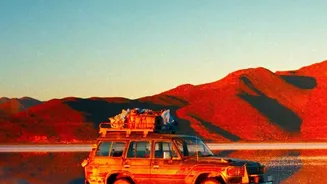
a backlash against the perfectly curated, influencer-style trip. The goal is no longer to capture content for an online audience, but to collect moments that feel authentic and personal. This has led to a rise in spontaneous adventures, such as booking last-minute flights for no reason other than a cheap fare, or embarking on road trips with no fixed final destination. The new mantra is less about what a trip will look like online and more about whether the experience will make you feel alive.
Slow Travel Is the New Standard
The ethos of purpose-free wandering has found its mainstream expression in the “slow travel” movement. This approach prioritizes deep immersion over checking off a list of sights. Rather than rushing through multiple cities in a week, travelers are opting for longer stays in a single location to connect with the local culture, people, and rhythms of daily life. This shift is partly a reaction to the burnout from fast-paced, traditional tourism and a growing awareness of its negative impacts, like overcrowding. As travelers seek to leave a place better than they found it, purpose-free exploration now often includes learning a new skill like a local craft, which fosters genuine connection and understanding over simple consumption.
Technology: The Unlikely Co-pilot
Technology's role in purposeless travel is a double-edged sword. On one hand, constant connectivity and planning apps can kill spontaneity. On the other, tech has become an indispensable tool for the modern wanderer. AI-powered tools can help with initial research or last-minute bookings, while offline maps and live translation apps remove significant barriers to venturing off the beaten path without a rigid plan. This allows for a blend of preparation and improvisation. You can arrive with a safety net of digital tools but leave your daily schedule entirely open to chance, embracing unexpected detours and discoveries. The difference is that technology is now used to enable freedom, not to structure every moment of it.
From Bucket Lists to Meaningful Moments
The focus of travel has shifted from destinations to experiences. Post-pandemic, there's a strong desire for trips centered on wellness, personal growth, and connection. This has reshaped what purpose-free travel looks like. It might mean a 'skillcation' to learn something new, a 'workcation' that blends remote work with leisure, or a digital detox to reconnect with oneself. Many travelers, especially from Gen Z, are actively avoiding tourist traps in favor of quieter, hidden-gem destinations to have more authentic experiences. This mindset values the journey itself, where the story is not about where you went, but the conversations you had, the detours you took, and the personal growth you experienced along the way.