








A new report from Oxfam reveals a stark paradox in the climate crisis: the world’s wealthiest individuals are not only the biggest contributors to carbon emissions, but are also heavily invested in industries that profit from disaster recovery.
The Double-Edged Investment
According
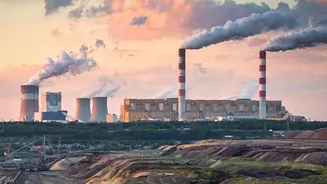
to a recent report released by Oxfam ahead of the COP31 climate summit, the super-rich are securing a 'double dividend' from the climate crisis. The analysis, titled 'Disaster Divide: How climate chaos deepens inequality and enriches the few', exposes how the investment portfolios of the ultra-wealthy are often concentrated in two key areas. Firstly, they are heavily invested in high-polluting industries like fossil fuels, chemicals, and cement, which are primary drivers of climate change. Secondly, they are simultaneously profiting from the growing 'disaster economy'—a burgeoning market for services and goods related to disaster preparedness, recovery, and reconstruction. This dual-track investment strategy creates a disturbing incentive structure where the most powerful economic actors stand to gain financially from both the cause and the consequence of climate-related catastrophes.
An Outsized Carbon Footprint
The report highlights the staggering disparity in carbon emissions. The world's richest 0.1%—a group of about eight million people—are responsible for more carbon pollution than the poorest 3.5 billion people combined. While luxury lifestyles involving private jets and yachts contribute to this, the most significant impact comes from their investments. Oxfam's analysis found that investments by just 125 of the world's richest billionaires produce emissions equivalent to a country the size of France. On average, billionaires have double the investment in polluting industries compared to the average for the S&P 500 index. These investments give them significant influence over corporate actions, perpetuating a high-carbon global economy.
Profiting from the Aftermath
The other side of this financial equation is the booming disaster recovery market, which is projected to grow from $70 billion to $92 billion annually by 2029. Oxfam's 'Destroy & Rebuild Index' identifies 217 corporations that are profiting from both sides of the crisis. This includes companies providing everything from flood barriers and firefighting equipment to private insurance and reconstruction loans. Major asset management firms like BlackRock and Vanguard, which cater to wealthy investors, have over a trillion dollars invested in 92% of the companies on this index, illustrating a systemic link between concentrated wealth and profiting from recovery efforts. As one Oxfam official put it, “The ultra-rich are setting the planet on fire and then charging the rest of us for the extinguishers.”
A Cycle of Deepening Inequality
This dynamic creates a vicious cycle that exacerbates global inequality. The report argues that the climate crisis is not a 'shared human challenge' but a 'crime of extreme inequality'. Developing nations and low-income communities, which have contributed the least to global emissions, are bearing the brunt of the consequences through floods, droughts, and extreme heat. These populations are losing their homes, livelihoods, and lives at a disproportionate rate. Meanwhile, the wealthy are better positioned to protect themselves by purchasing homes in safer areas, hiring private services, and securing insurance. The report notes that deaths from flooding are seven times higher in more unequal countries, starkly illustrating how pre-existing economic disparity amplifies the human cost of climate disasters.
The Human Cost of Climate Profits
The report connects these abstract financial trends to tangible human suffering. One year of emissions from the richest 1% alone is projected to cause 1.9 million excess heat-related deaths over the next century. An estimated 78% of these deaths will occur in low and lower-middle-income countries. Furthermore, price shocks for essential goods following climate-related events, like the surge in cocoa prices after extreme weather in West Africa, often enrich large corporations and investors while local producers and consumers suffer. By 2050, as many as one billion people could be displaced by the climate crisis, with the vast majority coming from the Global South. This mass displacement represents not just a humanitarian crisis but a profound global injustice fueled by the emissions and investments of a select few.