








The Rise of the 'Portfolio Career'
For previous generations, a stable, long-term job was the ultimate symbol of success. It meant security, a linear career path, and a predictable future. Today, that model is being systematically dismantled by young Indians. They are embracing what experts
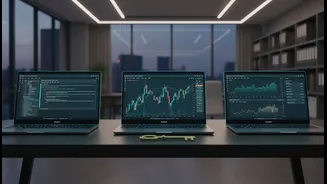
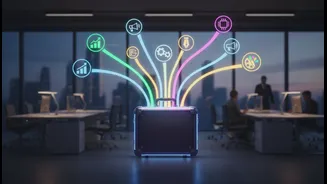
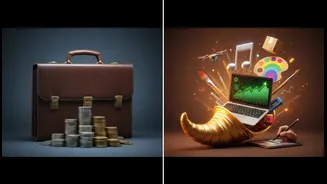
call "portfolio careers"—a flexible approach where professionals manage multiple income streams simultaneously. This could mean balancing a full-time role with freelance consulting, running a small e-commerce business, or monetising a creative hobby. This isn't just about a few 'side hustles'; it's a fundamental shift in professional identity, where adaptability and diverse skills are valued more than a single job title. Recent reports show a significant preference for this model, with one finding that 43% of Indian Gen Z workers prefer a full-time job combined with a side hustle, while only 16% desire a traditional, single full-time role.
Economic Pressures and the Quest for Resilience
A primary driver of this trend is economic reality. Rising living costs, urban inflation, and a volatile job market have made relying on a single salary feel increasingly precarious. Young professionals have witnessed layoffs in even the most stable industries and understand that job security is no longer guaranteed. As a result, multiple income streams have become a form of financial self-defence—an emotional and practical security blanket in an uncertain world. The gig economy, which is expected to engage 23.5 million workers in India by 2029-30, provides an accessible pathway to this diversification. For many, it's a strategic move to build financial resilience, pay off loans, and stay ahead of rising expenses.
More Than Money: Passion, Skills, and Autonomy
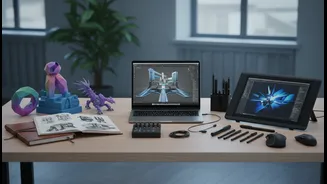
While financial security is a major factor, it's not the whole story. Many young Indians are driven by a desire for personal fulfilment, skill development, and greater control over their lives. A portfolio career allows them to pursue passions, like theatre or content creation, that may not be financially viable as a sole profession. It also serves as a real-world learning ground, helping them build new skills—from digital marketing to graphic design—that make them more adaptable in a rapidly evolving job market. This desire for flexibility is a core generational value; young workers prioritise work-life balance and autonomy, pushing back against rigid corporate structures that demand total life commitment. The rise of hybrid and remote work has been a key enabler, freeing up commute time that can be reinvested into these personal and professional projects.
The Creator Economy and Digital Enablers
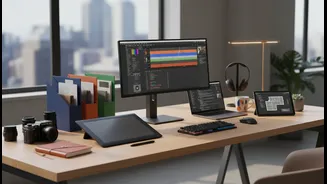
This career revolution would be impossible without technology. Digital platforms have democratised opportunity, making it easier than ever to freelance for global clients, launch a brand on social media, or build an audience as a content creator. The creator economy, in particular, has transformed hobbies into viable income sources. In India, job postings for creator-related roles surged by a staggering 919% between 2020 and early 2026, showing that companies are also formalising these roles. The influence of Artificial Intelligence is also shaping this trend. A recent report found that 55% of Gen Z believe AI will reshape their careers, prompting them to proactively diversify their skills and income sources to stay relevant.
A New Definition of a Successful Career
Ultimately, the decline of the single-job model reflects a redefinition of success. It's no longer about climbing a single, linear corporate ladder. For many young Indians, success is about flexibility, impact, continuous learning, and building a professional life that aligns with their personal values. They are moving from one role to another in a strategy some call "career lily pads" to strategically increase earnings and gain diverse experience. This shift presents both a challenge and an opportunity for employers. Companies with rigid work models may struggle to retain talent, while those that embrace flexibility and outcome-driven cultures will be better positioned to attract this dynamic new workforce. This trend is not a temporary phase but a structural evolution in India's employment landscape.