







The Power of an Anti-Inflammatory Diet
At the heart of most joint discomfort is inflammation. While it's a natural process, chronic inflammation can contribute to conditions like arthritis. Research shows that a diet rich in anti-inflammatory compounds can be a valuable tool in managing joint pain
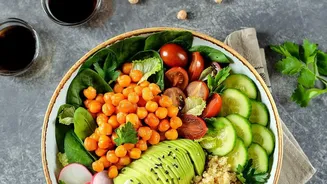
and stiffness. This doesn't mean you need a complete dietary overhaul overnight. Instead, think of it as a gradual shift towards including more whole, nutrient-dense foods and reducing processed items, excessive sugar, and certain fats that can trigger inflammation. Adopting an eating pattern similar to the Mediterranean diet, which emphasizes fruits, vegetables, whole grains, and healthy fats, can help protect cells from damage and lower inflammation.
Turmeric (Haldi): The Golden Spice
A staple in Indian kitchens, turmeric contains a powerful compound called curcumin, which is celebrated for its potent anti-inflammatory properties. Several clinical trials have shown that curcumin can reduce joint pain and swelling, with some studies suggesting its effects are comparable to ibuprofen but with fewer side effects. For your body to better absorb curcumin, it's helpful to consume it with black pepper, which contains piperine. Adding a pinch of black pepper to your turmeric-infused dal, curries, or a warm glass of haldi doodh (turmeric milk) can enhance its potential benefits for your joints.
Fatty Fish and Plant-Based Omega-3s
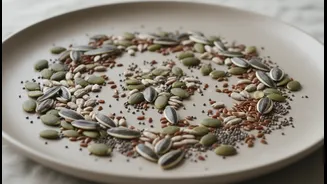
Omega-3 fatty acids are healthy fats renowned for their ability to combat inflammation. Fatty fish like salmon, mackerel, and sardines are excellent sources. Studies have found that people with arthritis who regularly consume omega-3s often experience less joint pain and morning stiffness. These fatty acids may also help protect cartilage, the connective tissue that cushions your joints. If you follow a vegetarian diet, you can find omega-3s in plant-based sources like walnuts, chia seeds, and ground flaxseeds. Incorporating these into your daily routine, whether through a handful of walnuts as a snack or flaxseeds sprinkled over your breakfast, contributes to your overall joint health strategy.
Leafy Greens and Cruciferous Vegetables
Dark leafy greens like spinach and kale are nutritional powerhouses, packed with antioxidants and vitamins that fight inflammation. They are particularly rich in Vitamin K, which research suggests is important for cartilage health. Vegetables from the brassica family, such as broccoli, cauliflower, and cabbage, contain a unique compound called sulforaphane. Early research indicates that sulforaphane may help block inflammatory processes and could potentially slow cartilage damage in osteoarthritis. Aiming for several servings of these greens each week can help protect your cells from damage.
Berries and Citrus Fruits
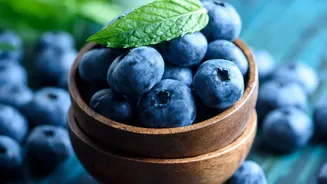
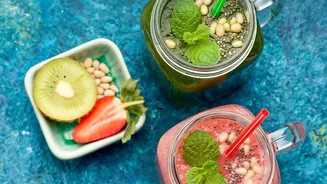
Fruits are nature's candy, and many are fantastic for your joints. Berries—including blueberries, strawberries, and raspberries—are loaded with antioxidants called anthocyanins, which give them their vibrant color and have a strong anti-inflammatory effect. Citrus fruits like oranges and lemons are famous for their high Vitamin C content. Vitamin C is crucial not only for fighting inflammation but also for producing collagen, a key protein that is a major component of healthy joints. Enjoying a variety of colorful fruits daily is a delicious way to support your body's natural defense system.
Garlic, Onions, and Ginger
Foods from the allium family, including garlic and onions, are known to have anti-inflammatory effects that can benefit those with joint pain. Similarly, ginger, a close relative of turmeric, has been used for centuries to reduce inflammation. Some studies have shown that ginger can decrease joint pain for people with arthritis, with properties that have been compared to those of anti-inflammatory drugs. These ingredients are cornerstones of Indian cooking, making it easy to incorporate their benefits into your daily meals, from flavourful curries to soothing ginger tea.