


Mumbai’s Signature: The Vada Pav
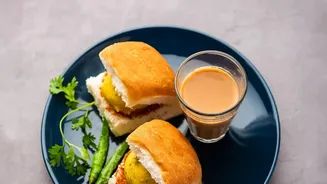
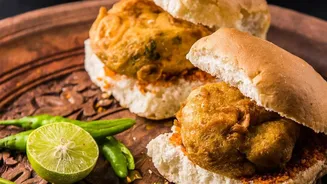
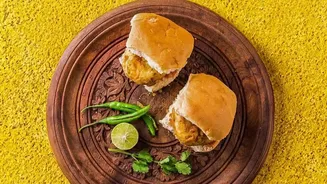
In Mumbai, the day often starts with a vada pav. It’s more than just a snack; it’s a cultural icon, an affordable and satisfying meal for everyone from office-goers to students. The anatomy is simple but perfect: a spicy mashed potato patty (batata vada),
seasoned with ginger, garlic, and chilies, is coated in a gram flour (besan) batter and deep-fried to golden perfection. This hot, flavourful vada is then tucked inside a soft, pillowy bread roll called a pav. What truly elevates it are the chutneys. A fiery dry garlic chutney, a fresh green coriander-mint chutney, and sometimes a sweet tamarind chutney are slathered inside the pav, creating a symphony of spicy, tangy, and savoury flavours in every bite. Served with a side of salted fried green chilies, it’s a complete experience. Legendary spots like Ashok Vada Pav near Kirti College and Aaram Vada Pav opposite CSMT station have been serving this beloved breakfast for decades.
Bengaluru’s Crispy Staple: The Medu Vada
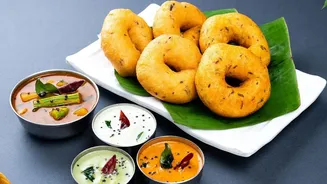
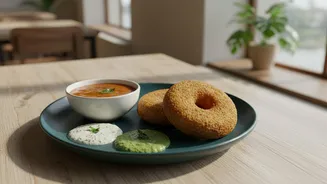
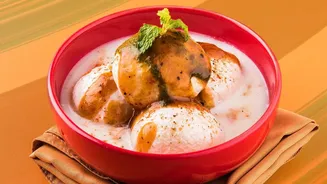
Travel south to Bengaluru, and the vada transforms completely. Here, the breakfast king is the Medu Vada, also known as Uddina Vada. Unlike its potato-based Mumbai cousin, the medu vada is made from a fermented batter of urad dal (black lentils). This batter is shaped into a distinctive doughnut-like ring and deep-fried until it’s incredibly crispy on the outside while remaining soft and fluffy on the inside. It's a textural delight. In Bengaluru’s classic 'tiffin' culture, the medu vada is rarely eaten alone. It’s a key player on the breakfast platter, most often served dunked in a bowl of hot, tangy sambar (a lentil-based vegetable stew) and accompanied by a side of coconut chutney. This combination, often called idli-vada-sambar, is a morning ritual. Iconic darshinis and heritage eateries like Brahmin's Coffee Bar and Vidyarthi Bhavan are famous for serving some of the city's best vadas to loyal patrons.
The Spicy Contender: Masala Vada
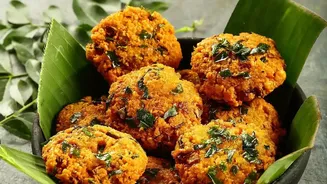
Bengaluru has another vada contender that is equally popular: the Masala Vada. This version offers a completely different experience. It's made from chana dal (split chickpeas) and is known for its rugged, crunchy texture and spicy flavour. The coarsely ground dal is mixed with chopped onions, green chilies, ginger, curry leaves, and other spices before being shaped into rustic, flattened discs and fried. The result is a fritter that isn't soft or spongy but wonderfully crisp and crumbly. While medu vada is a breakfast staple, masala vada is a versatile snack enjoyed throughout the day, often with a cup of strong filter coffee. It's a common sight at local eateries and food streets, offering a robust and spicy alternative to the milder medu vada.
A Tale of Two Cities, A World of Difference
The contrast between a Mumbai vada breakfast and a Bengaluru one couldn’t be starker, showcasing the incredible diversity of Indian cuisine. In Mumbai, the vada is potato-based, a single component of a handheld, on-the-go meal—the vada pav. It's fast, convenient, and designed for a city that never stops. The pav is essential, acting as the perfect vessel for the vada and its accompanying chutneys. In Bengaluru, the vada is lentil-based and part of a sit-down breakfast experience. It's a component on a plate, meant to be eaten with cutlery, dipped in sambar, and savoured alongside idli or dosa. The former is a sandwich, a complete meal in a bun; the latter is a fritter, a key part of a larger breakfast platter. One is defined by the humble potato and bread, the other by the versatile world of lentils.