



The Unseen Force of Wind
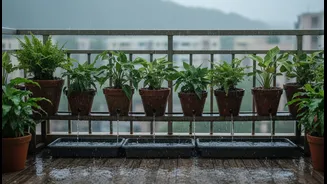
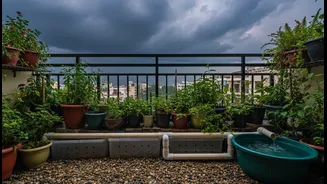
Especially for those gardening on balconies or rooftops, wind is a powerful and often underestimated factor. Persistent wind can cause significant stress to plants. It rapidly dries out both the soil and the leaves, leading to dehydration much faster
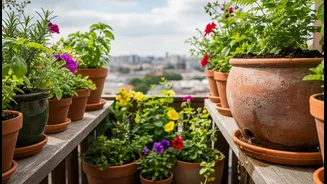
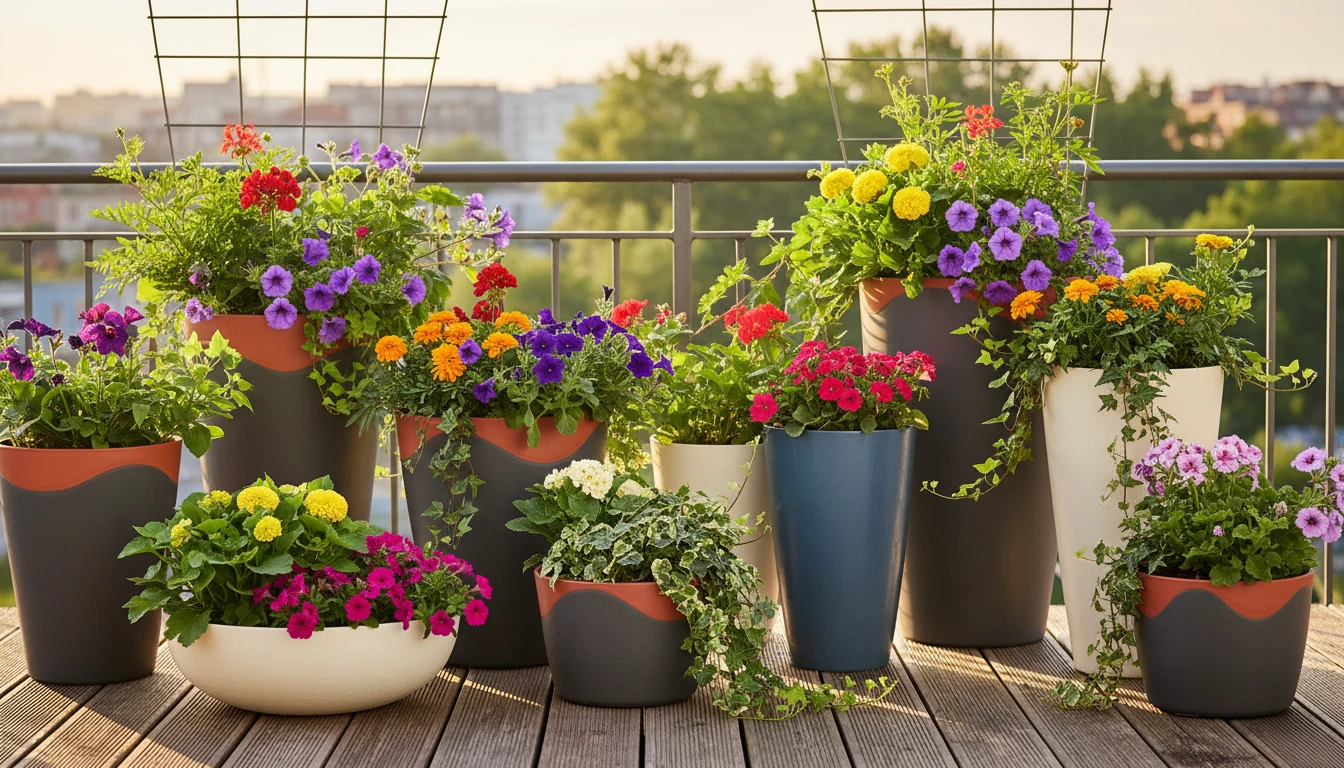
than you would expect. Plants respond to this by closing the tiny pores on their leaves, called stomata, to conserve water. While this is a smart survival tactic, it also slows down their ability to breathe, which can stunt growth by 50% or more. Furthermore, strong gusts can physically damage your plants, snapping stems and tearing delicate leaves. To counter this, consider both placement and pot selection. Grouping containers together helps them shelter one another, with heavier pots acting as a buffer on the most exposed side. Choosing pots with a low center of gravity—think wide and short rather than tall and slender—can prevent them from tipping over. For taller plants, using stakes can provide necessary support against the wind. You can also select plant species that are naturally more wind-resistant, such as ornamental grasses that flex with the breeze rather than breaking.
The Critical Matter of Weight
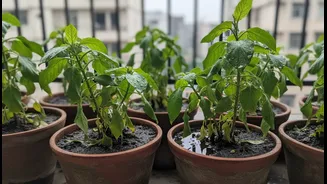
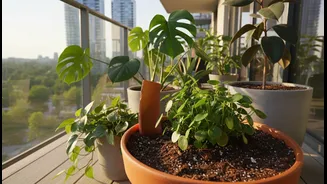
The weight of your container setup involves two key considerations: the stability of the pot and the composition of the soil inside it. For stability, especially in windy areas, a heavier pot made from materials like ceramic or concrete provides a sturdy anchor. If you prefer a lightweight planter, you can add a layer of heavy materials like gravel at the bottom to lower its center of gravity and prevent tipping. More importantly, you should never fill your pots with soil directly from your garden. Garden soil is dense and heavy; when confined to a container, it becomes easily compacted. This compaction squeezes out the air pockets that roots need to breathe, leading to suffocation and poor growth. Instead, always opt for a quality potting mix. These mixes are specifically engineered to be light and fluffy, containing ingredients like peat moss, perlite, and vermiculite. These components ensure the soil holds enough moisture without becoming waterlogged, and provides the aeration essential for healthy root development. A good potting mix is the foundation of a successful container garden.
Drainage is Non-Negotiable
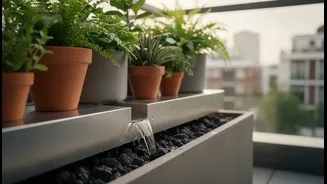
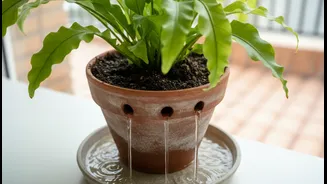
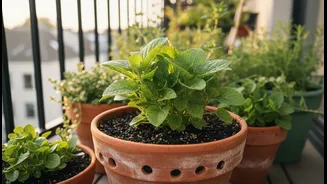
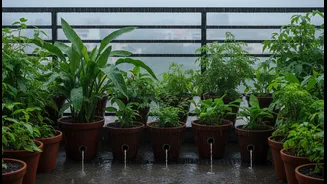
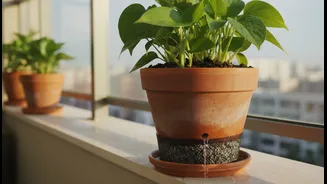
This is perhaps the most critical and frequently ignored aspect of container gardening. Without proper drainage, you are setting your plants up for failure. Every pot must have drainage holes at the bottom. When you water a plant in a pot without holes, the excess water has nowhere to go. It pools at the base, completely saturating the soil. This waterlogged environment starves the roots of oxygen, effectively drowning them. This leads to root rot, a condition where roots decay, turn mushy, and lose their ability to absorb nutrients. The signs are often mistaken for under-watering: yellowing leaves, wilting, and stunted growth. Furthermore, tap water and fertilisers contain salts that can build up in the soil over time. Proper drainage allows these excess salts to be flushed out with each watering. In a pot without holes, these salts accumulate to toxic levels, burning the plant's roots. It's a common myth that adding a layer of gravel to the bottom of a pot without holes will improve drainage, but this is false. It simply raises the level at which the water sits, still keeping the roots in a soggy environment. The only real solution is to ensure your pot has holes and that they aren't blocked.
Creating a Sustainable Ecosystem
Ultimately, a healthy plant is the result of a healthy environment. The allure of a beautiful flower or lush foliage is undeniable, but that beauty can only be sustained if the plant's fundamental needs are met. Wind, weight, and drainage are the invisible architecture of a successful container garden. They work together to create a stable, breathable, and well-hydrated home for your plant's roots. Before you bring home your next plant haul, take a moment to assess your containers and their locations. Do your pots have drainage holes? Is the soil light and appropriate for containers? If you're on a balcony, have you considered how you will protect your new plants from the wind? By shifting your focus from just the plant to the ecosystem you are creating for it, you move from being a plant buyer to a true gardener. This foundational approach ensures your green investments don't just survive, but truly thrive for seasons to come.