




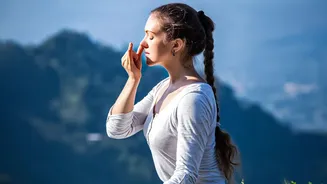
Yoga: The Mindful Path to Calm
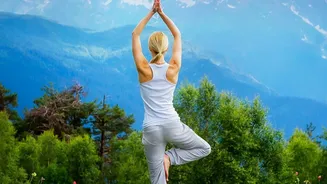
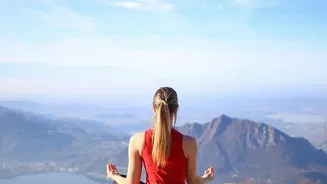
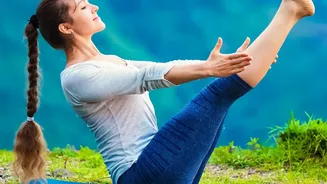
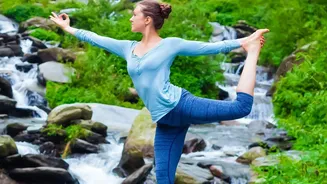
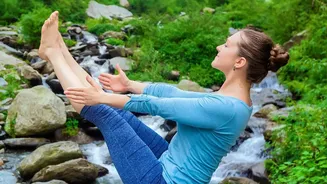
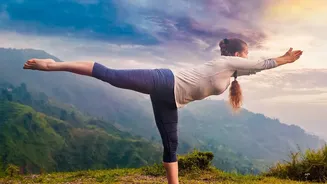
Yoga is widely recognized for its ability to soothe a racing mind and prepare the body for rest. Over 85% of practitioners report reduced stress, and more than 55% experience improved sleep. The magic lies in its combination of physical postures (asanas),
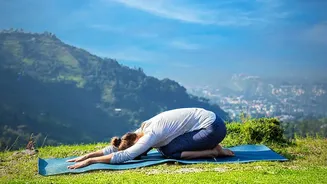
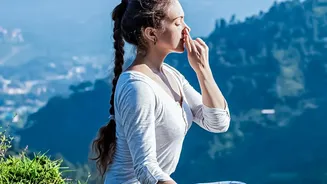
controlled breathing (pranayama), and meditation. This trio works to shift your nervous system from the stress-induced 'fight-or-flight' state to the calm 'rest-and-digest' mode. By focusing on your breath and the sensations in your body, you anchor yourself in the present moment, making it harder for anxious thoughts to take hold. Studies suggest that yoga can lower levels of cortisol, a primary stress hormone, and may even increase levels of GABA, a brain chemical associated with better mood and decreased anxiety. A consistent practice, especially with restorative or gentle evening poses, has been shown to help people fall asleep faster and experience fewer disturbances during the night.
Trekking: The Active Escape to Stillness
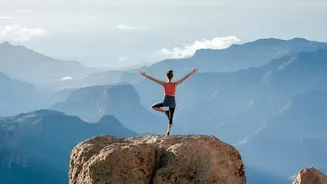
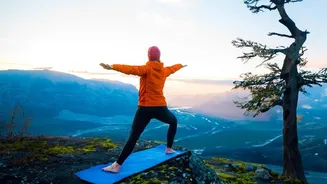
Trekking, or hiking, offers a different but equally potent path to a quiet mind and better sleep. The benefits are threefold: physical exertion, exposure to nature, and a change of scenery. The physical activity itself is a powerful stress reducer, releasing mood-enhancing endorphins and helping to tire the body in a healthy way. This physical fatigue, combined with a post-exercise drop in body temperature, can signal to your body that it's time for sleep. Moreover, spending time in nature has profound psychological benefits. Exposure to natural light helps regulate your body’s internal clock, or circadian rhythm, which governs your sleep-wake cycle. Research has shown that even a 20-30 minute walk in a natural setting can significantly lower cortisol levels. The act of navigating a trail requires a degree of focus that occupies the mind, effectively distracting it from the circular thoughts that cause overthinking.
Mind Games: How Each Tames Overthinking
When it comes to battling overthinking, yoga and trekking employ different strategies. Yoga is an inward journey. It teaches you to observe your thoughts without judgment and gently guide your focus back to your breath or body. It's a practice of mental discipline, training the mind to become less reactive to emotional triggers and anxious thought loops. The goal isn't to stop thoughts, but to change your relationship with them, creating a sense of inner calm. Trekking, on the other hand, is an outward-focused activity. It combats overthinking through engagement and distraction. The physical challenge, the beauty of the landscape, and the simple act of putting one foot in front of the other demand your attention. It pulls you out of your head and into the world, offering a mental reset by replacing ruminative thoughts with sensory input—the sound of birds, the feeling of the breeze, the sight of the trail ahead.
Physical Demands and Accessibility
Your lifestyle and physical condition will play a huge role in determining which activity is a better fit. Yoga is exceptionally versatile. It can be practiced at home with minimal space and no equipment, for just 15 minutes or for over an hour. This makes it highly accessible for those with busy schedules or limited mobility. There are countless online resources for all levels, from gentle, restorative flows perfect for bedtime to more vigorous practices. Trekking requires more planning and resources. It necessitates access to trails or natural parks, appropriate footwear, and a larger time commitment. While a simple walk in a local park is beneficial, a true trek involves more challenging terrain and duration. For those who love the outdoors and have the time, it's a rewarding adventure. For others, the logistical hurdles might make it a less consistent practice.
The Verdict: Which Is Truly Better?
Ultimately, there is no universal 'better' option. The most effective choice is the one you will consistently practice and enjoy. If you are seeking a gentle, introspective way to calm your nervous system that you can do anytime, anywhere, yoga is likely your best bet. Its focus on breathwork and mindfulness directly targets the mechanics of anxiety. If you feel pent-up, restless, and find that being outdoors revitalizes you, trekking could be the superior choice. The combination of vigorous exercise and nature's calming effect provides a powerful one-two punch against stress and sleeplessness. Many people may even find that a combination of the two—regular yoga practice during the week and a weekend trek—offers the most comprehensive benefits for both mind and body.