





The 'Why' Behind Smart Grouping
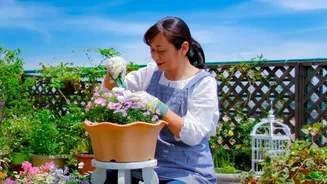
The official term for grouping plants by water needs is 'hydrozoning'. While it sounds technical, the concept is just common sense. Instead of giving every plant the same amount of water, you cluster plants with similar thirst levels together. This ensures
that water-loving plants get the moisture they crave, while drought-tolerant varieties aren't at risk of being overwatered and developing root rot. The result? You can water entire sections at once, confident that everyone in the group is happy. This is far more efficient and leads to healthier, more resilient plants that can better handle the unique stresses of balcony life, such as heat and wind.
The Low-Water Crew: Sun-Lovers and Survivors
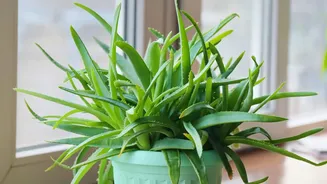
These are the most forgiving plants, perfect for the hottest, sunniest spots on your balcony or for gardeners who occasionally forget to water. They have adapted to survive in dry conditions by storing water in their leaves or having tough, leathery foliage. When you group these together, you know this entire section requires infrequent watering. Wait until the soil is completely dry before giving them a thorough soak. Examples include: - Succulents (like Echeveria, Sedum, Jade Plant): The ultimate low-maintenance choice, these plants thrive on neglect. - Bougainvillea: Known for its stunning, papery bracts, it flowers best when its soil is kept on the drier side. - Geraniums (Pelargoniums): A classic container flower that tolerates heat and dry spells exceptionally well. - Herbs: Many Mediterranean herbs like Rosemary, Thyme, and Sage are naturally drought-tolerant and love full sun.
The Moderate-Water Friends: The Happy Medium
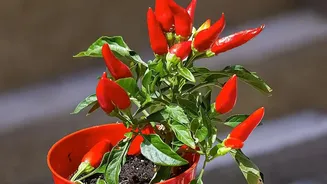
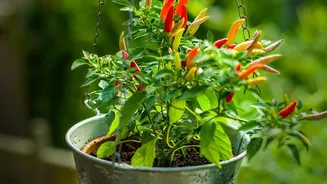
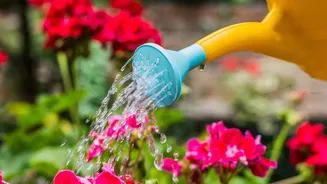
This group forms the backbone of many balcony gardens. These plants prefer consistent moisture but don't want to sit in soggy soil. They are less demanding than thirsty plants but will wilt if forgotten for too long. For this group, the 'finger test' is your best friend: water them when the top inch or two of soil feels dry to the touch. Grouping them ensures you can check and water them on a more regular, but not daily, schedule. Examples include: - Marigolds and Petunias: These cheerful annuals provide reliable colour and thrive with regular, even watering. - Tulsi (Holy Basil): A staple in many Indian homes, Tulsi prefers its soil to be consistently moist but well-drained. - Most Vegetable Plants: Tomatoes, peppers, and beans in containers generally fall into this category, needing steady water to produce a good harvest. - Peace Lily (for shaded balconies): While often grown indoors, it can thrive on a protected balcony and its leaves will noticeably droop to tell you when it's thirsty.
The Thirsty Bunch: Moisture Lovers
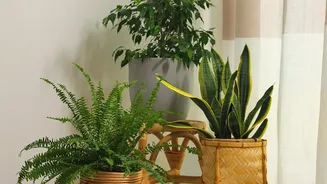
These plants wilt quickly and need consistently moist soil to thrive. They are best for gardeners who enjoy the daily ritual of watering or have a self-watering system. Grouping these moisture-lovers together is critical, as it allows you to give them the frequent attention they need without drowning their drought-tolerant neighbours. These plants are often a great choice for shadier, more protected corners of a balcony where the soil won't dry out as fast. Examples include: - Ferns (like Boston Fern or Maidenhair Fern): With their delicate fronds, ferns are notorious for needing high humidity and consistently damp soil. - Impatiens and Coleus: These shade-loving annuals provide brilliant colour but will collapse dramatically if their soil dries out. - Hibiscus: Especially in a pot, this tropical beauty requires a lot of water to support its large, lush flowers. - Mint: Known for its aggressive growth, mint is also quite thirsty and does well in soil that stays reliably moist.