

The Vegetarian Plate Paradox
For generations, a vegetarian diet has been associated with good health. In India, where vegetarianism is a deep-rooted cultural and spiritual practice, meals are rich in vegetables, legumes, and grains. However, the country is also facing a significant
health challenge, with over 100 million people living with diabetes and another 136 million in the pre-diabetic stage. This raises an important question: if the diet is plant-based, why is the risk of metabolic disease so high? The answer often lies not in what is being avoided (meat), but in what is being consumed in large quantities—specifically, refined carbohydrates.
Identifying the Culprits on Your Plate
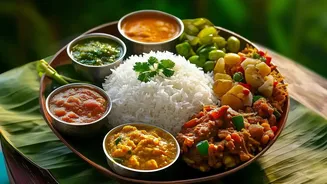
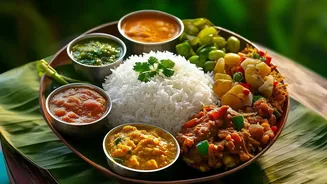
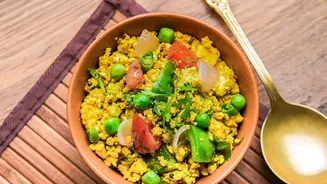
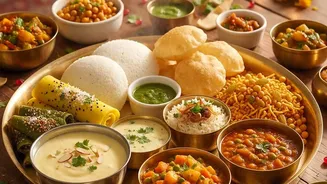
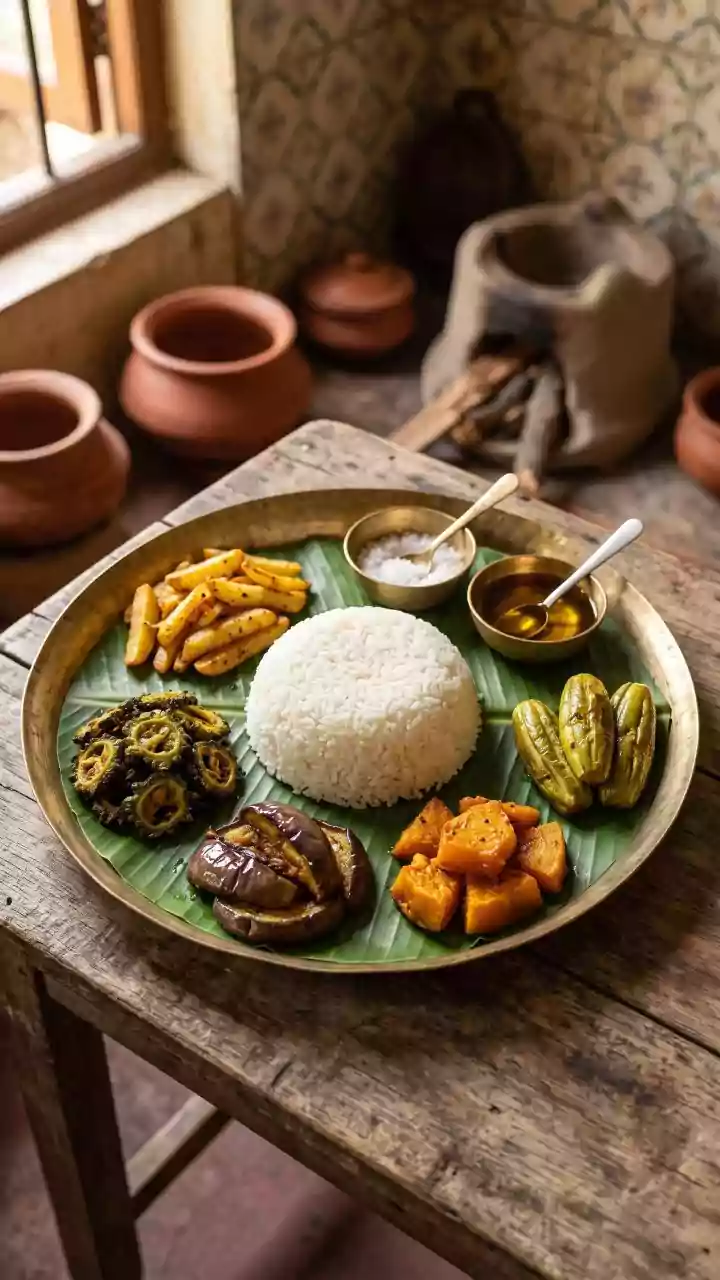
A typical Indian vegetarian meal, while delicious, can be dominated by high-glycemic index foods that cause rapid spikes in blood sugar. Think of a comforting plate of fluffy white rice, soft naan made from maida, crispy pooris, or a potato-heavy sabzi. Even breakfast staples like poha, idli, and upma can be predominantly carb-based. While these foods are an integral part of the cuisine, their refined nature means they lack the fibre that would otherwise slow down digestion and glucose release. Over time, a diet heavy in these items can contribute to insulin resistance, a key precursor to type 2 diabetes.
Why Refined Carbs Are a Concern
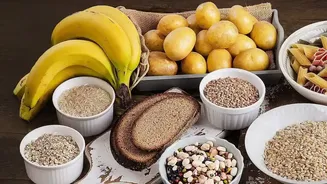
Carbohydrates are the body's primary source of energy, but not all carbs are created equal. Refined carbohydrates, like white rice and maida (refined wheat flour), have been stripped of their bran and germ, which contain most of the fibre and nutrients. As a result, they are digested very quickly. This rapid breakdown floods the bloodstream with glucose. To manage this surge, the pancreas releases insulin. When this happens frequently, the body's cells can become less responsive to insulin's signals, a condition known as insulin resistance. The pancreas then has to work even harder to produce more insulin, and eventually, it may not be able to keep up, leading to high blood sugar levels and the onset of diabetes.
How to Build a Balanced Diabetic-Friendly Thali
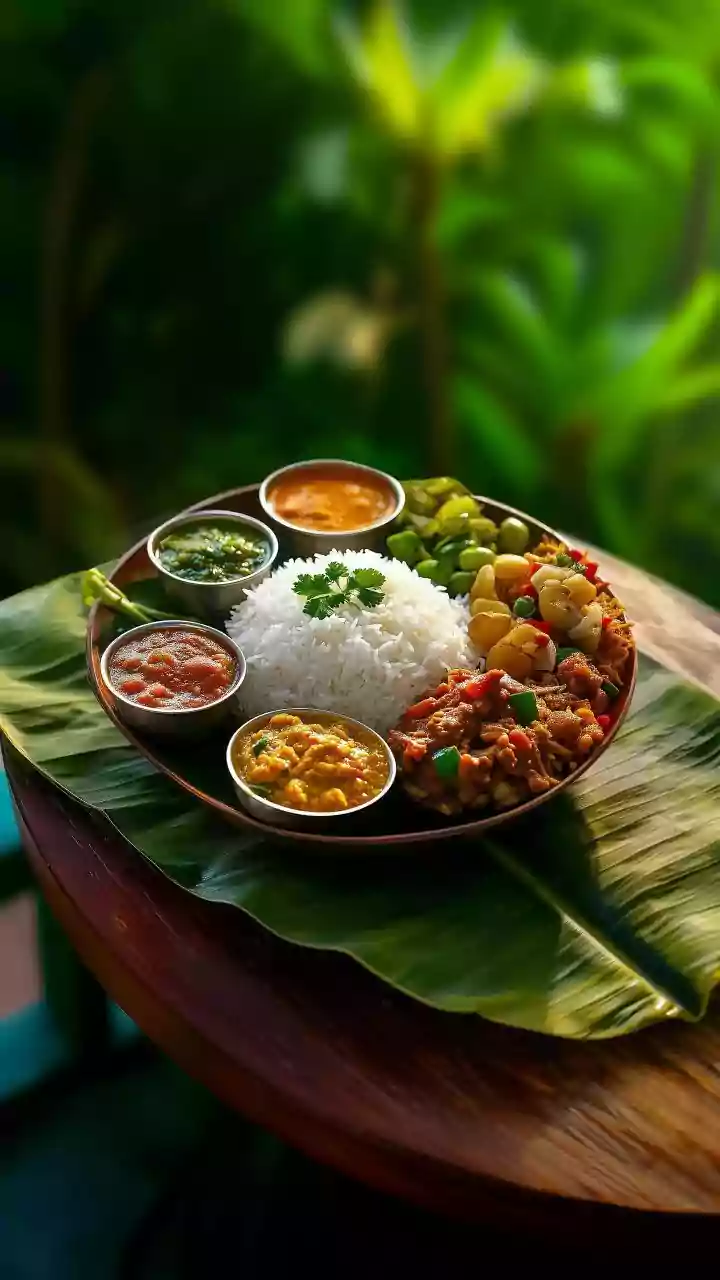
The good news is that the Indian vegetarian diet is incredibly adaptable and can easily be modified to be diabetes-friendly without sacrificing flavour. The key is balance and smart swaps. A well-constructed plate should follow a simple rule: half your plate should be filled with non-starchy vegetables, one-quarter with protein, and only one-quarter with carbohydrates. Start your meal with the salad and vegetables first, followed by the protein, and eat the carbohydrate portion last. This simple trick can help blunt the post-meal glucose spike.
Smart Swaps for a Healthier Meal
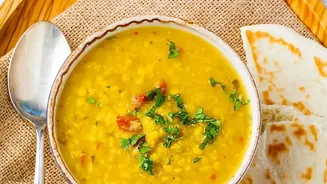
Making an Indian vegetarian diet healthier is about making conscious choices. Instead of white rice, opt for brown rice, quinoa, or millets like jowar and bajra, which are complex carbohydrates rich in fibre. Swap maida-based naan and parathas for whole-wheat rotis. Increase your protein intake by ensuring every meal has a generous serving of dal, paneer, tofu, soya chunks, or legumes like chickpeas and kidney beans. Protein and fibre help slow down the absorption of sugar, keeping you feeling full for longer and preventing sharp blood sugar spikes. Finally, incorporate healthy fats from sources like nuts, seeds, and avocado.
Rethinking Cooking Methods and Portion Control
Beyond the ingredients themselves, how food is prepared and consumed plays a vital role. Prioritise cooking methods like steaming, grilling, and stir-frying over deep-frying. For instance, have a baked samosa instead of a fried one. Be mindful of portion sizes, especially with carbohydrate-rich foods. A single serving of cooked rice should be about one to one and a half cups. By combining these strategies—choosing whole grains, prioritising protein and vegetables, and practising portion control—you can transform a traditional vegetarian meal into a powerful tool for managing and preventing diabetes.