





The Final Safety Gauntlet
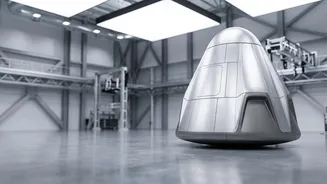
Before a spacecraft meant to carry humans is cleared for flight, every single component must prove its reliability under extreme stress. This is known as qualification. The Indian Space Research Organisation (ISRO) recently concluded a vital three-part
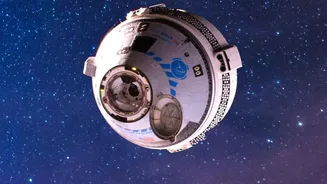
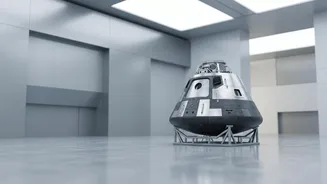
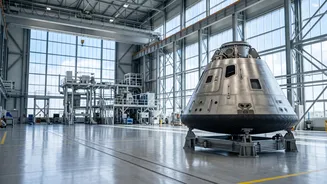
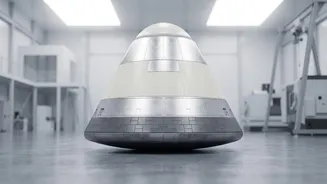
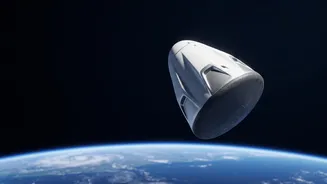
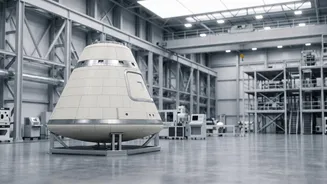
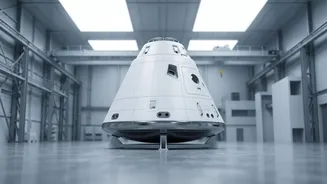
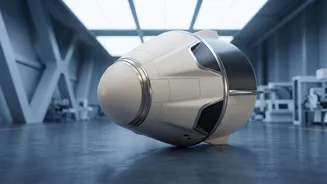
qualification push for the Gaganyaan Crew Module—the capsule that will house India's astronauts. Think of it as the final, exhaustive exam before the module is declared ready for its uncrewed test flights. These tests simulate some of the most perilous moments of the return journey, from surviving structural forces to ensuring a safe recovery from the sea. Passing them is a non-negotiable step, demonstrating that the systems designed to protect the crew will function flawlessly when it matters most. It’s this painstaking attention to detail that separates a successful mission from a potential disaster, and ISRO’s latest success brings India's dream of sending a 'gaganaut' to space one giant leap closer to reality.
Test One: The Uprighting System
The first, and perhaps most fascinating, test focused on the Crew Module Uprighting System, or CMUS. After a fiery re-entry through the atmosphere, the Gaganyaan capsule will splash down in the ocean. However, it might not land perfectly upright. It could end up upside down or on its side, making it difficult for recovery teams to reach the crew and for the astronauts to exit safely. History shows this is a common issue; nearly half of all Apollo mission landings resulted in an inverted capsule. To solve this, ISRO has developed a clever solution: a system of inflatable flotation bags. During a recent test, ISRO successfully validated this system, which uses stored cold gas to rapidly inflate the bags upon splashdown. These bags act like a life raft and a lever, providing the buoyancy needed to flip the capsule into the correct, stable, upright position. This test confirmed the system works as designed, a critical assurance for crew safety post-landing.
Tests Two and Three: Separating and Surviving
The other two tests were just as critical. The second qualification focused on the umbilical separation. During its time in orbit, the Crew Module is attached to a Service Module, which provides power and propulsion. Before re-entry, this umbilical connection must be severed cleanly. The test successfully validated the mechanism that disconnects the electrical and fluid lines, ensuring the Crew Module can begin its solo journey back to Earth without a hitch. The third test validated the module’s structural strength during a violent but necessary event: the jettisoning of the Apex Cover. This cover protects the capsule's parachutes during launch and re-entry. Just before the parachutes need to deploy, this cover is blasted away. The test simulated the forces of this event—applying nearly twice the expected load—to confirm that the Crew Module’s structure can withstand the stress without any damage. This ensures the parachute deployment sequence can proceed as planned.
What This Means for Gaganyaan's Timeline
With these three crucial qualification tests successfully completed, the Gaganyaan program has cleared a major hurdle. The Crew Module has proven its robustness and the reliability of its critical safety systems. This success paves the way for the next phases of the mission. According to ISRO, the focus now shifts towards integration and preparing for the first of several uncrewed test flights. The first uncrewed orbital mission, known as G1, is targeted for the end of 2026. This will be followed by at least one more uncrewed flight to test every system in a real-world space environment. Only after these robotic missions are completed successfully will ISRO proceed with the historic first crewed Gaganyaan flight, currently anticipated in 2027. Each successful test, from the uprighting system to the structural checks, is a deliberate and essential step on the path to making that historic flight as safe as humanly possible.