






A Feathered Delegation Arrives
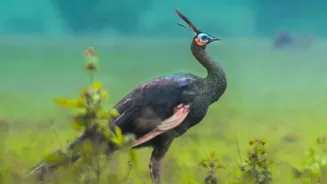
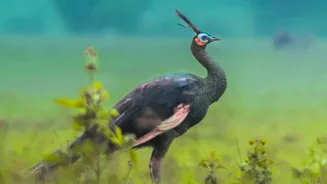
In a special ceremony on August 7, 2026, India formally gifted five young peacocks to the United Nations Office at Geneva (UNOG). The delegation of birds includes four classic blue peafowls and one rare white male, a colour combination that pointedly
mirrors the blue and white of the UN flag. India's Permanent Representative to the UN in Geneva, Arindam Bagchi, handed over the birds to UNOG Director-General Tatiana Valovaya. The peacocks will initially acclimatise in a special enclosure for about three months before being allowed to roam freely in the historic 46-hectare Ariana Park, the home of the UN's European headquarters. This move renews a tradition started in 1981 when then-Prime Minister Indira Gandhi gifted a pair of peacocks to the same grounds.
The Meaning of Peacock Diplomacy
This act is a textbook example of 'soft power,' where a nation uses cultural assets and goodwill to enhance its international standing, as opposed to military or economic coercion. By gifting its national bird, India is projecting an image of itself that is rooted in beauty, grace, and natural heritage. The Indian Mission in Geneva stated that the gesture represents the country's commitment to biodiversity, environmental stewardship, and multilateralism. In a world often dominated by tense negotiations, such symbolic acts serve as powerful, living reminders of shared values and cultural connections, fostering a positive atmosphere for diplomatic relations.
A Symbol Steeped in History
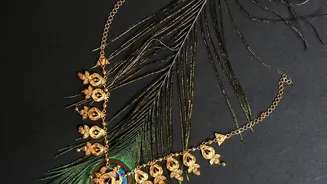
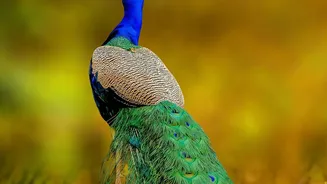
The choice of the peacock is deeply intentional. Declared India's national bird in 1963, the peacock (Pavo cristatus) is woven into the fabric of Indian culture, religion, and history. In Hinduism, its feathers adorn the crown of Lord Krishna, and it is the vehicle of Lord Kartikeya, symbolizing wisdom and royalty. The Mauryan dynasty, one of ancient India's greatest empires, is believed to have been named after the peacock ('Mayura' in Sanskrit). Mughal emperors, particularly Shah Jahan, famously incorporated peacock motifs into their art and architecture, most notably the legendary Peacock Throne, a symbol of immense power and opulence. Gifting this bird is, therefore, gifting a piece of India's soul.
A Global Tradition of Animal Ambassadors
India is no stranger to animal diplomacy. In the post-independence era, Prime Minister Jawaharlal Nehru practiced what became known as 'elephant diplomacy,' gifting baby elephants to countries like Japan, Canada, and the Netherlands to foster international friendship during the Cold War. This practice taps into a universal appreciation for wildlife and creates lasting, positive memories in the public consciousness of the receiving nation. The most famous modern example is China's 'panda diplomacy,' which has been a highly effective tool for building bilateral relationships. India's revival of peacock diplomacy fits within this long and fascinating history of using animals as national ambassadors, creating a gentle yet impactful foreign policy statement.
A Living Symbol at a Global Crossroad
The location of the gift is as significant as the gift itself. The Palais des Nations in Geneva is a nerve centre of global governance, hosting countless diplomatic meetings and international organisations. The peacocks will now roam grounds that have witnessed world history unfold for over a century, as the tradition of keeping peacocks in Ariana Park predates even the United Nations. As diplomats from around the world walk these grounds, they will be met with a living, breathing symbol of India's heritage and its commitment to a cooperative global order. This colourful display serves as a constant, gentle reminder of India's growing role on the world stage, accomplished not through force, but through grace.