



A Vision of High-Speed Connectivity
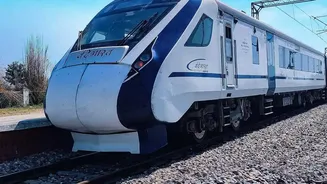
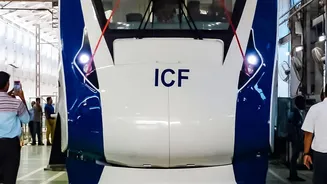
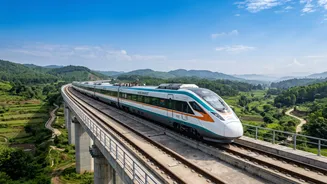
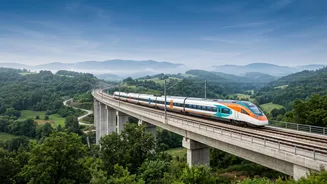
The Delhi-Panipat-Karnal Namo Bharat corridor is a cornerstone of the plan to decongest the National Capital Region and seamlessly connect its satellite towns. This 136.3 km semi-high-speed rail line, managed by the National Capital Region Transport Corporation
(NCRTC), is designed to be a game-changer. With trains running at an operating speed of 160 km/h, the project promises to reduce the gruelling two-and-a-half-hour road journey from Delhi to Panipat to a comfortable 60 minutes. The full corridor to Karnal would be covered in just 90 minutes. The plan includes 22 stations, connecting key industrial, educational, and residential hubs like Sonipat, Murthal, and Samalkha, which are currently choked by traffic on the parallel NH-44.
From Halt to Headway
For a long time, the project appeared to be stuck. The headline 'remains in approval and planning' was the reality, primarily due to complex inter-state coordination and funding agreements. As recently as late 2023, the central government stated it would not proceed without a formal Memorandum of Understanding (MoU) from the Delhi government, citing past difficulties over financial commitments for other RRTS projects. However, the logjam has started to clear. In March 2026, the Haryana cabinet formally approved the project, committing its share of the estimated Rs 33,051 crore cost. More recently, in late November 2026, the National Highways Authority of India (NHAI) gave its crucial approval for land use, allowing for pier construction and station development along the highway. These clearances from both Haryana and central authorities have injected new momentum into the project.
The Impact on Ground
With major approvals now in place, preliminary work has already started on a 22-km stretch between Narela and Murthal. This marks a significant shift from planning to execution. The project is not just about transport; it's a catalyst for urban development. The Haryana government has included the corridor in its Transit-Oriented Development (TOD) policy. This policy encourages the growth of high-rise residential buildings, commercial complexes, and retail spaces around the new stations, aiming to create balanced urban growth and new economic hubs. Real estate experts predict that improved connectivity will make cities like Sonipat and Panipat far more attractive for homebuyers and businesses looking for affordable alternatives to Delhi.
What Happens Next?
While the headline's claim of being stuck in planning is now outdated, the path to completion is still long, with a target set for 2030. The NCRTC has already floated tenders for preliminary tasks like shifting utilities to clear the way for major civil construction. The focus now shifts from gaining approvals to managing the complex logistics of building a massive infrastructure project along one of India's busiest highways. The next few years will involve extensive construction, land acquisition, and the development of station infrastructure. Sarai Kale Khan in Delhi is set to become a massive interchange hub, connecting this corridor with the Delhi-Meerut line and other transport networks. Commuters and residents will be watching closely as the vision of a high-speed link finally begins to take physical shape on the ground.