






An Ancient Grain for Modern Kitchens
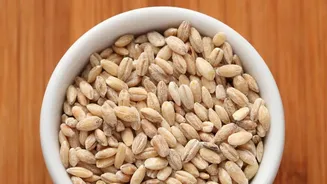
Barley is one of the oldest cultivated grains on Earth, a staple in diets for thousands of years. It’s a member of the grass family, celebrated for its versatility and robust texture. You'll typically find two main types at the grocery store: hulled and pearl
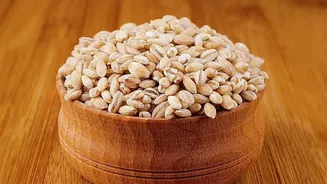
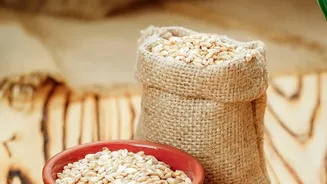
barley. Hulled barley is the whole-grain version, with only the inedible outer husk removed. This leaves the bran and germ intact, making it rich in fibre and nutrients. It has a darker colour and a wonderfully chewy bite. Pearl barley, the more common variety, has been polished to remove the bran layer. This gives it a lighter colour, a softer texture, and a quicker cooking time, making it a convenient option for weeknight meals.
The Secret to Feeling Full and Nourished
The headline's promise of a more "filling" meal is rooted in barley's impressive nutritional profile. It is packed with dietary fibre, particularly a soluble fibre called beta-glucan. This type of fibre helps slow down digestion, which promotes a feeling of fullness and can aid in weight management. This same fibre is also celebrated for its health benefits, including its ability to help lower cholesterol and regulate blood sugar levels, making it a fantastic choice for heart health and sustained energy. Beyond fibre, barley is a good source of essential minerals like magnesium and selenium, as well as B vitamins, which are crucial for overall energy and well-being.
Mastering the Basics: How to Cook Barley
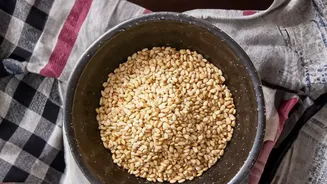
Cooking barley is as simple as simmering rice. For pearl barley, the general ratio is one part barley to three parts liquid (like water or broth). Simply rinse the barley, bring the liquid to a boil, add the grain, then reduce the heat, cover, and simmer. Pearl barley is typically tender and ready in about 30 to 45 minutes. It should be chewy but not hard in the centre. Hulled barley, being a whole grain, requires a longer cooking time, usually around 45 to 60 minutes, and benefits from an overnight soak to speed things up. For extra flavour, try toasting the dry grains in the pot for a few minutes before adding your liquid.
Transform Your Soups and Stews
In soups and stews, barley is a game-changer. Its chewy texture adds a delightful contrast to tender vegetables and meat, and it makes any broth feel more substantial and comforting. Unlike pasta, which can become mushy, barley holds its shape well during long simmers. To add it to your favourite soup, simply stir in rinsed pearl barley along with the broth and let it simmer for about 30-45 minutes until tender. It works beautifully in classic vegetable soups, hearty beef and barley stews, and mushroom-forward recipes where its earthy flavour can truly shine. It also acts as a natural thickener, giving your soups a richer consistency.
Build a Better Salad
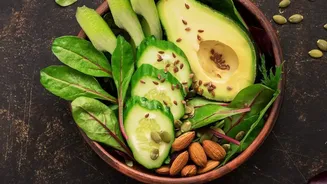
Barley's firm texture and ability to soak up dressings make it a perfect base for grain salads. Served warm or cold, it’s a welcome alternative to lighter greens. Once cooked and cooled, it provides a nutty, satisfying foundation that pairs well with a wide range of ingredients. Toss it with roasted vegetables, crumbled feta cheese, chopped nuts, and fresh herbs like parsley or mint for a quick and delicious lunch. A simple lemon vinaigrette is all you need to tie everything together. It’s also an excellent way to use up leftover vegetables, creating a filling and nutritious meal that’s anything but boring.