





What is the E20 Fuel Controversy?
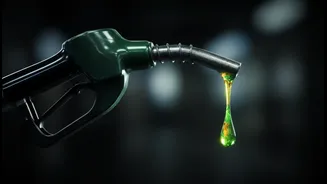
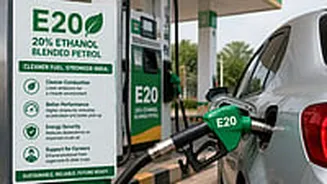
E20 is a blend of 80% petrol and 20% ethanol, a biofuel typically made from agricultural products like sugarcane and maize. The Indian government has championed this blend as a strategic move to reduce costly crude oil imports, lower carbon emissions,
and support the agricultural sector. In fact, India achieved its goal of 20% blending ahead of schedule, making E20 the standard fuel across most of the country. However, this rapid transition has been met with a significant backlash from consumers. Thousands of motorists have taken to social media and online forums to report a noticeable drop in their vehicle's fuel efficiency, with some also raising concerns about potential long-term engine issues, especially in older cars not designed for high ethanol blends. The debate intensified after a government lawyer referred to the rollout as an "experiment" in court, a comment the Centre later clarified, insisting the fuel was thoroughly tested.
Mileage, Math, and Motorist Frustration
The core of the frustration lies in fuel efficiency. Ethanol has a lower energy density than pure petrol, meaning a vehicle's engine needs to burn more of it to produce the same amount of power. Government officials and automobile manufacturers acknowledge this, with studies suggesting a mileage drop of between 3% and 6% is to be expected in many vehicles. However, many drivers claim the real-world reduction is much higher, with some reporting drops of up to 30%. This discrepancy means drivers are effectively paying more per kilometre, as they have to refuel more often without a corresponding decrease in the price of E20 fuel. While manufacturers say newer cars are built to be E20-compatible, millions of vehicles sold before 2023 were designed for lower ethanol blends like E10, leading to worries about accelerated wear on rubber and plastic components in the fuel system.
From Fuel to the Broader Online Market
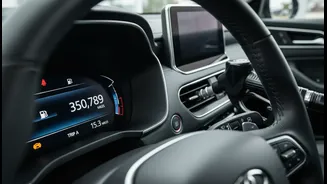
The E20 saga is a powerful real-world example of a much larger digital-age problem: the gap between online claims and physical reality. Today, many car-buying journeys begin online, with sellers and manufacturers listing specifications, features, and, crucially, mileage figures. These numbers, whether for a new car's fuel efficiency or a used car's odometer reading, are taken as a baseline by consumers. Yet, as the E20 issue demonstrates, real-world performance can vary dramatically based on factors not mentioned in a digital listing. The official mileage figures, often achieved in controlled laboratory settings, rarely account for variables like fuel type, driving style, road conditions, or vehicle maintenance. This creates a trust deficit, where the advertised performance becomes a best-case scenario rather than a reliable guarantee.
Why Physical Inspection is Non-Negotiable
This is where the argument for proper vehicle inspection becomes undeniable. An online listing can't tell you if a used car's odometer reading is genuine, nor can a manufacturer's brochure predict how E20 will affect a specific model's real-world mileage. A comprehensive physical inspection by a qualified mechanic is the only way to verify the claims made online. Such an inspection can identify issues that directly impact fuel economy, such as underinflated tires, a poorly maintained engine, or misaligned wheels. For used cars, an inspection can uncover signs of tampering or hidden damage that would never be disclosed in an online description. It moves the assessment from the theoretical (what the car should do) to the practical (what the car can do). In essence, it empowers the buyer with facts, not just marketing claims, allowing for a more accurate calculation of a vehicle's true running costs and value.