



The Numbers Don't Lie
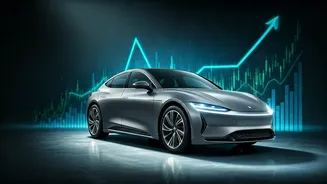
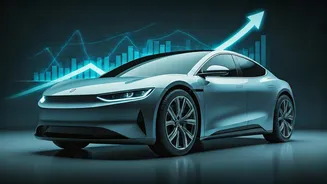
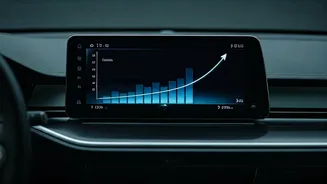
The growth in India's electric car market isn't just a slow burn; it's an explosion. In the fiscal year 2026, electric passenger car sales saw a staggering year-on-year growth of over 80%. Monthly sales figures consistently set new records, crossing the 30,000-unit
mark for the first time in June 2026. This surge means EVs, which were a tiny fraction of the market just a few years ago, now represent a significant and fast-growing segment of total car sales. This momentum is driven by a mix of economic sense, government support, and a fundamental shift in what Indian consumers want from a vehicle.
The Government's Green Light
A significant catalyst for this change has been the government's sustained push towards electric mobility. Schemes like the Faster Adoption and Manufacturing of Electric Vehicles (FAME) and its successors have played a crucial role. These programs provide direct upfront subsidies that reduce the sticker price of EVs, making them more accessible to the average buyer. Beyond direct incentives, many state governments offer waivers on road tax and registration fees, further sweetening the deal. This policy-driven support has sent a clear signal to both consumers and manufacturers that the future of Indian transport is electric.
It's All About the Economics
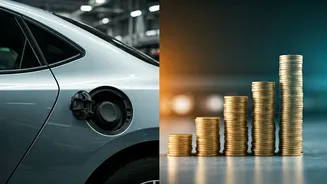
For many new car owners, the decision boils down to simple math. With petrol prices remaining stubbornly high, the low running cost of an EV is a powerful motivator. Charging an electric car at home can cost as little as ₹1 to ₹1.5 per kilometre, a fraction of the ₹6 to ₹7 per kilometre for a comparable petrol car. While the initial purchase price of an EV is still higher, these daily savings add up quickly. Calculations show that over a five-year ownership period, the total cost of owning an EV—including purchase, fuel, and maintenance—is now often on par with, or even cheaper than, a petrol car, especially for those who drive frequently.
More Choice Than Ever Before
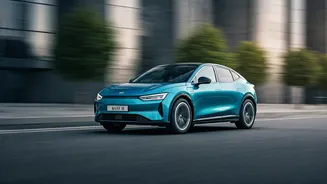
A few years ago, the choice of electric cars was limited to a handful of models. Today, the market is brimming with options. The number of available EV models has more than doubled recently, with projections to hit over 35 in the near future. Automakers like Tata Motors, Mahindra & Mahindra, and MG Motor are leading the charge, but new domestic and international players are entering the fray. Crucially, many of these new launches are in the more affordable sub-₹15 lakh segment, bringing electric mobility within reach of a much wider audience. From compact city cars to capable SUVs, there is now an EV to suit various needs and budgets.
Putting Range Anxiety in the Rear-View Mirror
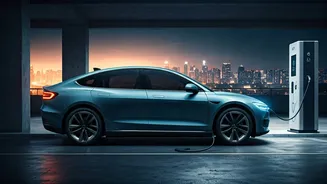
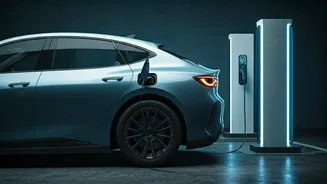
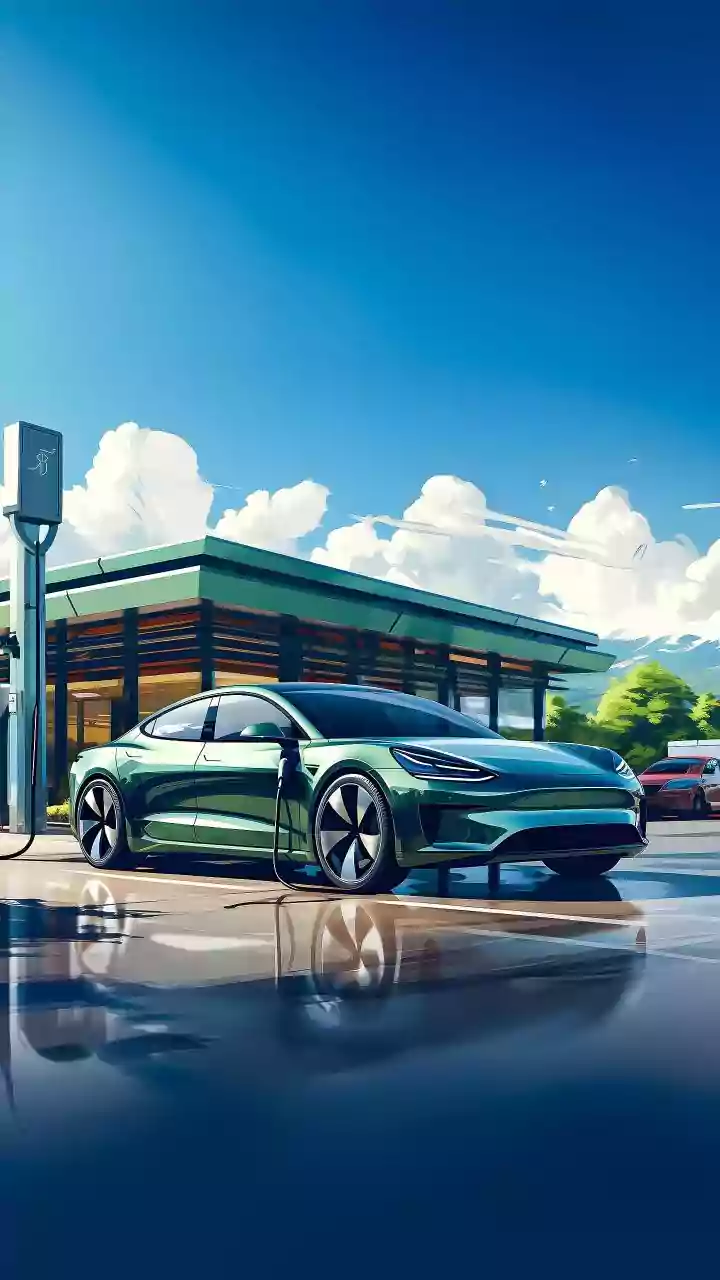
The fear of running out of power mid-journey, known as 'range anxiety', has long been a major barrier to EV adoption. However, this concern is rapidly fading. Firstly, battery technology has improved significantly, with many mid-range models now offering a real-world range of 300-450 kilometres on a single charge. Secondly, the charging network is expanding at an impressive pace. As of early 2026, India has over 27,000 public charging stations, with a focus on densifying the network in cities and along major highways. While gaps remain, particularly in smaller towns, the ability to find a charger for daily commutes and inter-city travel is better than ever.