






The Old School: Discipline and Punishment
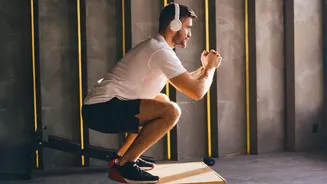
For many, the word 'exercise' brings to mind images of grueling boot camps, rigid schedules, and the relentless pursuit of a specific body type. This disciplinary approach, fueled by hustle culture, framed fitness as a test of willpower. Success was measured
in calories burned, kilos lifted, and the ability to push through pain, while a missed workout was a source of guilt. This 'all or nothing' mentality promised quick results but often ignored individual needs, leading to a cycle of intense effort, burnout, and self-blame when the unsustainable pace inevitably faltered. The problem with this model is that pain is not a prerequisite for progress; it's a signal from your body that something is wrong. Ignoring it can lead to injury, exhaustion, and a negative relationship with movement itself.
Why the 'No Pain, No Gain' Model Is Fading
The rigid, one-size-fits-all approach is losing its grip for several reasons. Firstly, there's a growing awareness of its physical and mental toll. High-intensity, repetitive workouts without adequate recovery are a common cause of overuse injuries like stress fractures and tendonitis. Mentally, the pressure to constantly grind can lead to burnout, anxiety, and a feeling of failure. Secondly, our understanding of health is becoming more holistic. Fitness is increasingly seen as a component of overall well-being, not just a tool for aesthetic transformation. This has opened the door to concepts like 'intuitive movement' and 'joyful movement,' which prioritize feeling good over looking a certain way. This shift encourages people to disconnect exercise from punishment and reconnect it with pleasure, self-care, and mental clarity.
The New Philosophy: Movement That Fits
The emerging trend is all about 'fit'—not just in terms of physical fitness, but how movement fits into your unique life. This personalized approach ditches the rigid rulebook in favor of flexibility and self-awareness. It asks not what you 'should' do, but what your body needs and enjoys today. Maybe that's a high-energy spin class, but it could just as easily be a walk while listening to music, dancing in your living room, or gardening. This approach, often called intuitive or joyful movement, values all forms of activity equally. By focusing on what feels good, it transforms exercise from a chore into a sustainable and enjoyable habit. The goal is no longer to conquer your body, but to connect with it.
The Benefits of a Personalized Approach
Adopting a more personalized mindset toward movement has profound benefits. For one, it significantly reduces the risk of injury. When you listen to your body, you're less likely to push past safe limits. Tailored plans that consider your specific strengths and weaknesses are inherently safer than generic programs. Furthermore, this approach fosters long-term consistency. When you genuinely enjoy an activity, you're far more likely to stick with it. This builds confidence and a positive feedback loop, replacing the old cycle of guilt and burnout. It also makes fitness more inclusive, creating space for all body types, abilities, and life schedules. The focus shifts from short-term, externally motivated goals to a sustainable, internally driven practice that supports both physical and mental health for years to come.
How to Find Your Fit
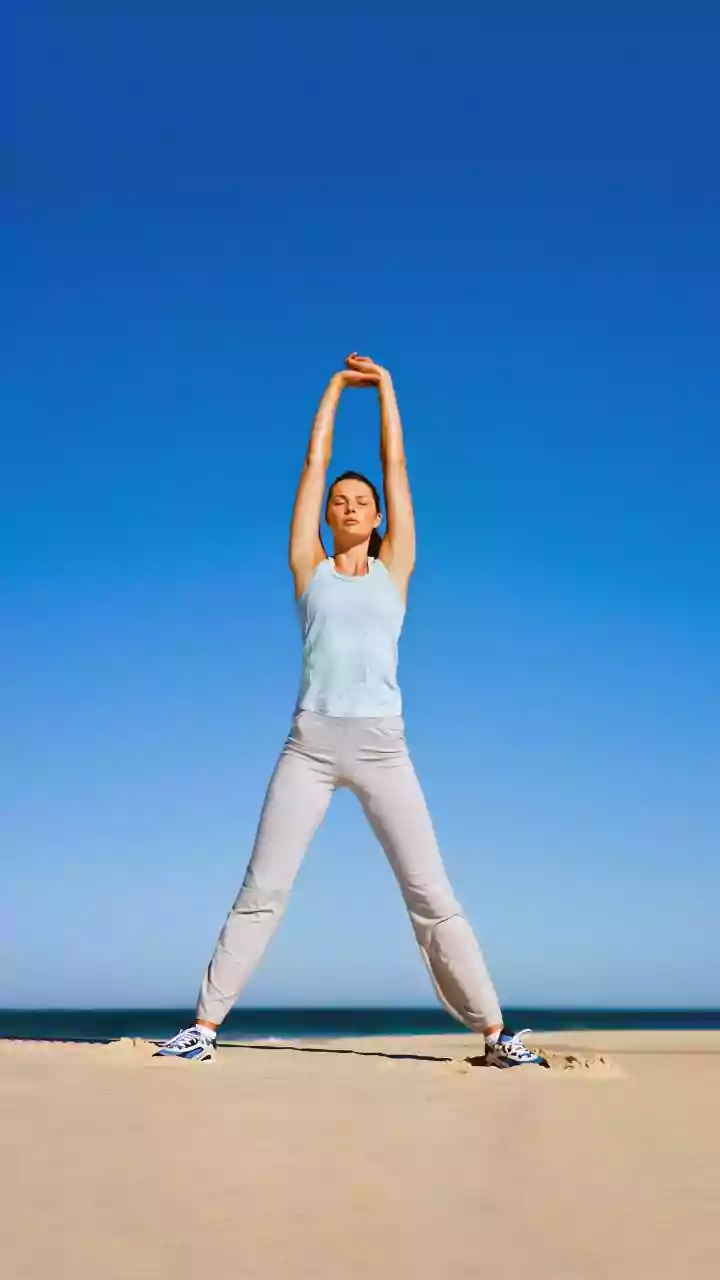
Embracing this new approach starts with curiosity and self-compassion. The first step is to let go of guilt and the idea that some forms of movement 'count' more than others. Instead of forcing a routine, explore different activities to discover what brings you joy. Try a team sport, a dance class, hiking, or simply putting on your favorite music and moving. Pay attention to how you feel during and after. Does it energize you or leave you feeling depleted? Some days you might crave intensity, while on others, a gentle stretch or a walk is all you need. The key is to be flexible and honour your body's signals for both movement and rest. By shifting your focus from a rigid schedule to a responsive practice, you build a healthier, more trusting relationship with your body and find a rhythm that is uniquely yours.