



A New Rally-Inspired Face
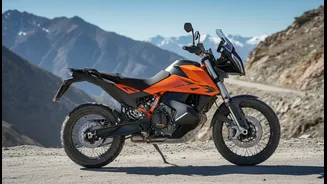
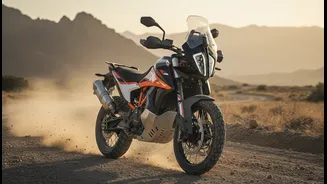
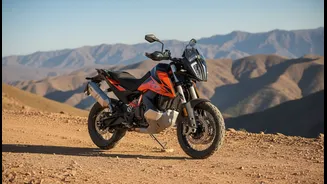
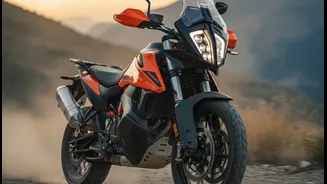
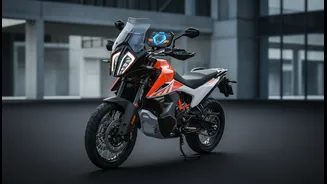
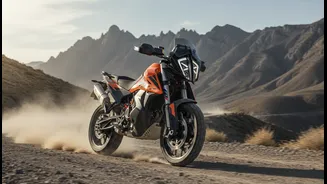
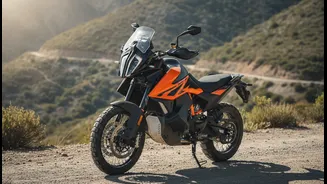
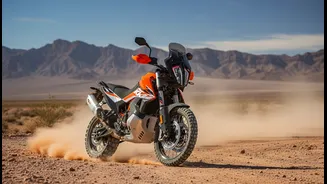
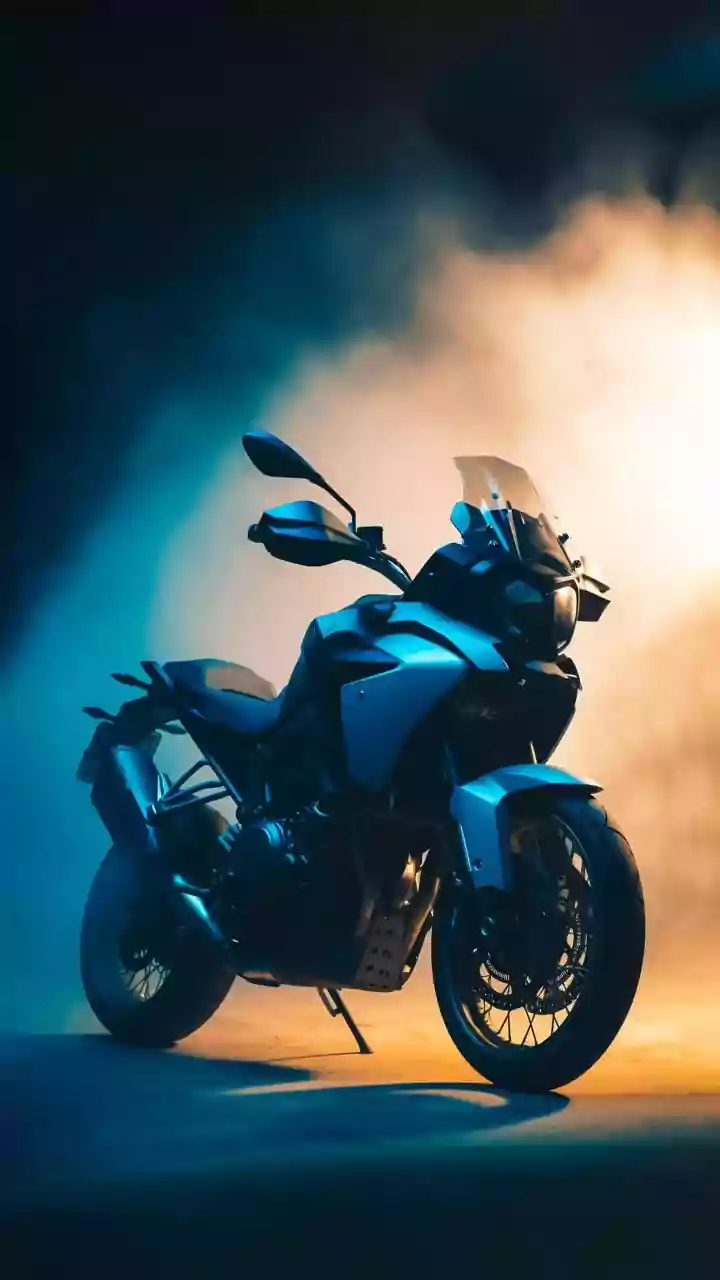
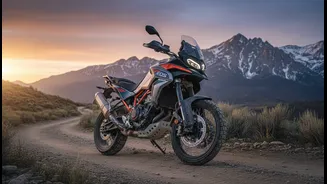
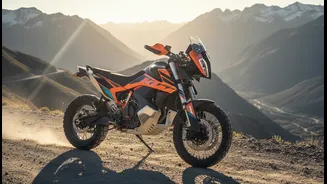
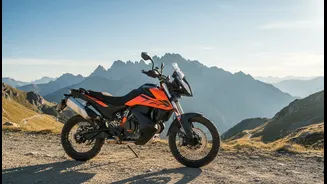
The most dramatic change captured in the recent spy photos is a complete overhaul of the bike's front end. KTM has moved away from the polarizing split-headlight design of the previous generation. In its place is a much slimmer, rally-tower-style fairing
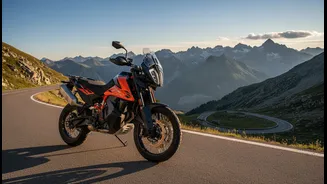
that houses a compact, single projector LED headlight with integrated daytime running lights. This new face is not just a cosmetic tweak; it creates a much narrower and more aggressive profile that strongly echoes KTM’s Dakar Rally-winning race machines. The entire silhouette appears leaner and more athletic, with a taller windscreen designed to provide better protection from wind blast on long highway stretches, a crucial feature for any serious adventure bike.
Rethinking the Body and Ergonomics
The redesign extends beyond the headlight. The test mule reveals a significant reduction in visual bulk all around. One of the biggest departures is the apparent removal of the low-slung fuel pods that were a signature, and often debated, feature of the original 790 Adventure. The new bike appears to use a more conventionally shaped fuel tank, which flows into sharper, sportier side panels. This change is complemented by a new single-piece seat, which replaces the previous split-seat setup. This long, continuous seat is a hallmark of rally and enduro bikes, designed to allow the rider to easily shift their weight and move around freely when standing on the pegs during technical off-road riding. Together, these changes suggest KTM is prioritizing rider mobility and off-road handling over pure touring comfort.
Familiar Heart, Upgraded Components
Underneath the new bodywork, the core of the bike appears to be an evolution rather than a revolution. The prototype seems to be built around the proven LC8c chassis and the familiar 799cc parallel-twin engine, which is expected to produce around 95 horsepower and 87 Nm of torque. While the engine is likely carried over from the latest 790 Duke, key hardware upgrades are visible. The test bike features WP Apex suspension on both ends. More notably, it is equipped with new WP-branded brake callipers, signalling a move by KTM to bring more component manufacturing in-house under its WP brand. The bike retains its serious off-road credentials with a 21-inch front and 18-inch rear wheel setup, confirming its intended purpose.
What This Means for Riders and the Market
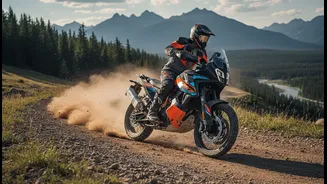
This redesign appears to be a strategic move to create a clearer distinction in KTM’s adventure lineup. With the 890 Adventure serving as the capable all-rounder, this revised 790 seems poised to become the more hardcore, rally-focused option for riders who prioritize dirt performance. It’s a direct response to a crowded middleweight market, taking on bikes like the simple, mechanical Yamaha Ténéré 700 with a blend of higher horsepower and sophisticated electronics. The prototype was seen with the current 5-inch TFT display, suggesting KTM will continue to differentiate its models through tech tiers, likely reserving larger, more advanced touchscreens for the upcoming 990 Adventure. This approach allows KTM to offer a machine that blends the raw spirit of a rally racer with the digital intelligence of a modern adventure bike, targeting a specific niche of performance-oriented riders.