

The Science of Sweet Spice
The magic behind fennel's unique flavour is a compound called anethole. It’s the same substance that gives star anise and anise their characteristic licorice taste. Anethole is naturally sweet—about 13 times sweeter than sugar—which allows it to enhance
a dessert's sweetness while adding a warm, aromatic spice note. Unlike capsaicin in chillies, anethole provides aromatic warmth without any of the fiery heat, creating a complex flavour profile that is more herbaceous and delicate. While often associated with savoury dishes, this gentle spice has a long history in confectionery, particularly in India where sugar-coated fennel seeds, or mukhwas, are a popular after-dinner treat and breath freshener.
A Guide to Using Every Part
Fennel is a zero-waste ingredient where the bulb, fronds, and seeds can all be used in cooking. For desserts, each part offers a different texture and intensity. The seeds are the most potent and are wonderful when toasted and ground. This releases their essential oils, deepening their flavour, which can then be incorporated into cookie dough, cake batters, or crumbles. The feathery fronds have a more delicate, fresh flavour, similar to dill. They can be finely chopped and folded into whipped cream, used as a garnish for poached fruit, or mixed into the batter for light, airy cupcakes. The bulb itself, when cooked, loses much of its sharp edge and becomes tender and sweet. It can be roasted until caramelized, candied in a sugar syrup, or even grated raw into cake batters to add moisture and a subtle anise background note.
Perfect Pairings for Your Palate
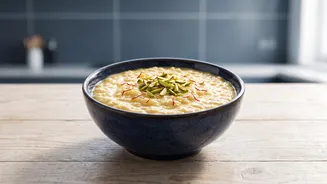
Fennel's unique flavour profile makes it a surprisingly versatile partner for a wide range of dessert ingredients. Its anise notes are a natural match for citrus, especially orange and lemon. You can find it in recipes for whole citrus and fennel cake or paired with grapefruit in salads. The combination creates a bright, refreshing taste that cuts through richness. It also works beautifully with stone fruits like peaches and plums, as well as apples and pears; roasting the fruit with a sprinkle of fennel seeds enhances their natural sweetness. Dairy-based desserts are another excellent canvas. Fennel seed can be infused into the custard base for ice cream, panna cotta, or rice pudding. For an unexpected but delightful combination, try pairing fennel with white or dark chocolate. The spice adds an aromatic lift that complements chocolate's deep, rich flavour.
Getting Started With Fennel Sweets
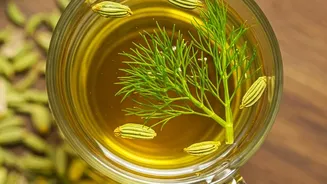
If you’re new to using fennel in desserts, it’s best to start simple. One of the easiest ways to experiment is by adding a teaspoon of toasted, ground fennel seeds to a basic shortbread or sugar cookie recipe. The spice will add a warm, intriguing background note without being overpowering. Another simple idea is to make a fennel-infused syrup. Gently heat equal parts sugar and water with a tablespoon of whole fennel seeds, let it steep, and then strain. This syrup can be drizzled over ice cream, used to sweeten fruit salads, or brushed onto a warm cake. For something a bit more adventurous, try making candied fennel seeds, a popular Indian mouth freshener. Tossing roasted fruit with freshly chopped fennel fronds is another quick way to introduce the flavour in a subtle, herbaceous way.