


An Epic Journey Fraught with Peril
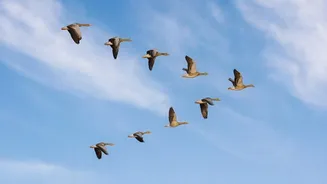
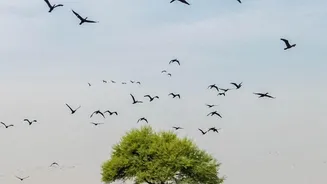
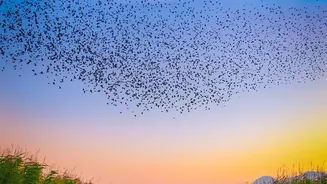
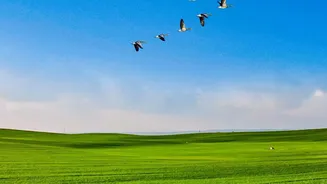
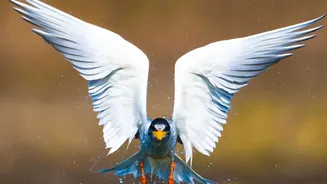
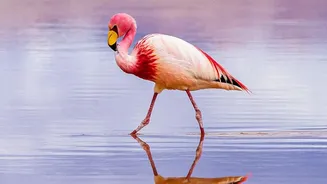
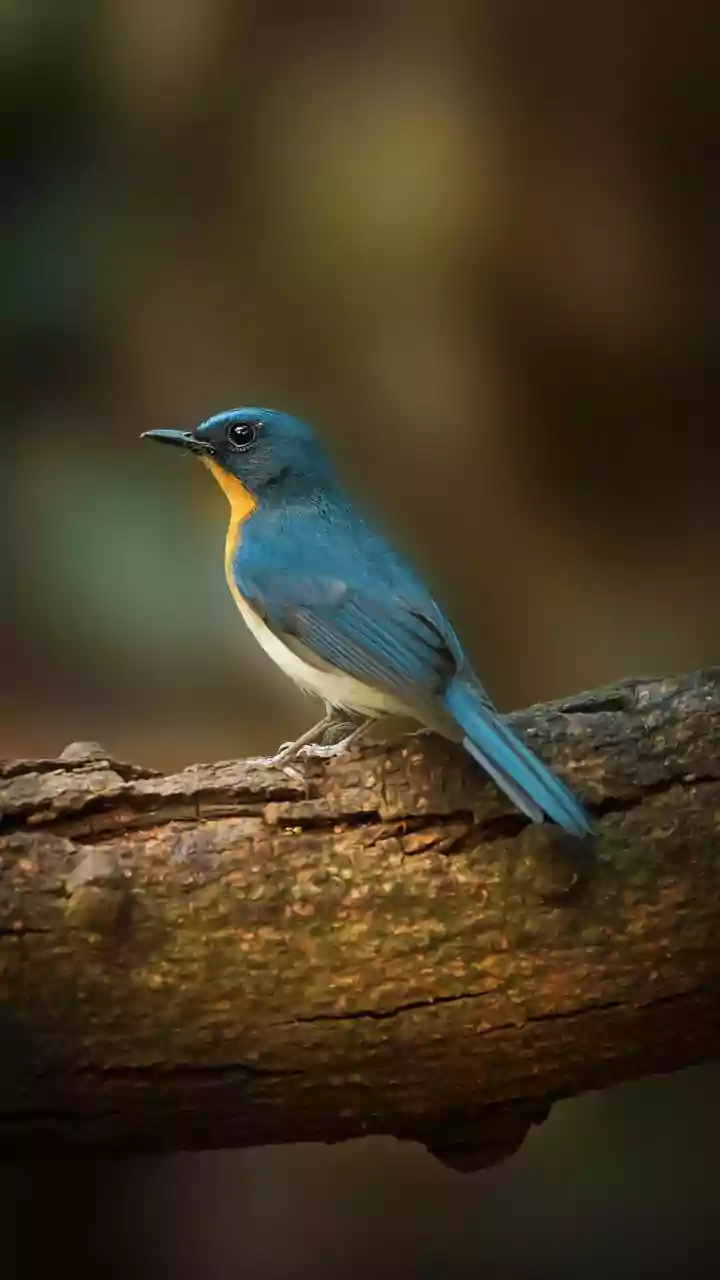
For countless millennia, birds have followed invisible highways in the sky, known as flyways. India is a crucial destination along three major routes, including the Central Asian Flyway (CAF), which stretches across 30 countries from the Arctic to the Indian
Ocean. Every autumn, species like the Bar-headed Goose and the Amur Falcon undertake epic journeys from their breeding grounds in Siberia, Central Asia, and Europe to escape the bitter cold and find food in India's relatively warmer wetlands and plains. This migration is one of nature's most awe-inspiring phenomena, a testament to instinct and resilience. However, this journey is becoming increasingly dangerous. The threats are no longer confined to one location; they now shadow the birds from their summer homes to their winter sanctuaries and back again, creating a gauntlet of survival.
Trouble in the Summer Home
The problems begin thousands of kilometres away, in the vast expanses of Central Asia and Russia where these birds breed. Climate change is a primary culprit. Rising temperatures are causing a 'phenological mismatch'—insects and plants are peaking earlier in the season, meaning that by the time chicks hatch, the abundance of food may have already passed. Furthermore, severe climate-induced habitat alteration is shrinking the pristine grasslands and wetlands necessary for nesting. This means fewer young birds successfully fledge, and those that do may be weaker, starting their monumental journey south at a significant disadvantage.
A Winter Sanctuary Under Siege
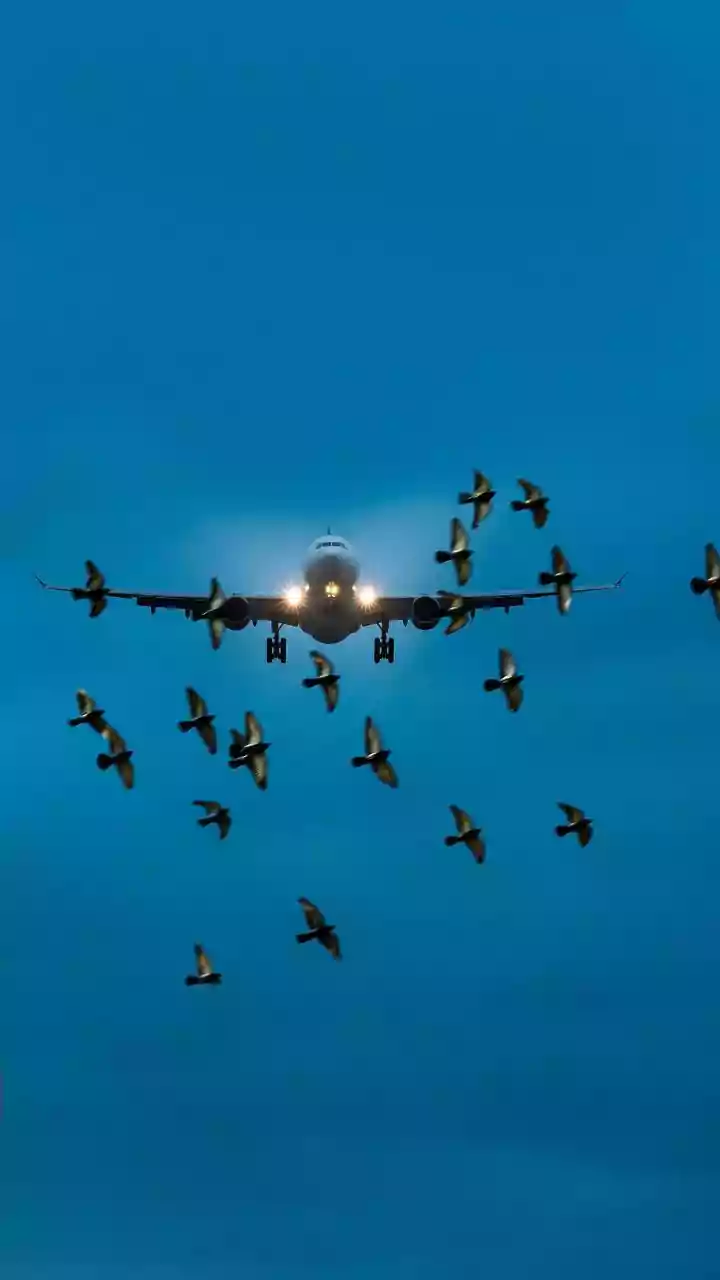
After braving their long flight, exhausted birds arrive in India to find their winter homes are far from the safe havens they once were. India's wetlands—critical for feeding and resting—are vanishing at an alarming rate due to urban expansion, agricultural conversion, and pollution. Waterbodies are often choked with industrial effluents and plastic waste, while invasive plants can suffocate entire aquatic ecosystems. Beyond habitat loss, man-made structures pose a direct and deadly threat. Thousands of birds die annually from collisions with power lines that criss-cross their flight paths, a problem exacerbated in regions like Gujarat and Rajasthan with expanding renewable energy infrastructure. Birds with large bodies and poor frontal vision, like the Great Indian Bustard, are particularly vulnerable. Poaching and illegal hunting in certain areas also take a toll, chipping away at already stressed populations.
A Case Study in Compounded Risk: The Bar-Headed Goose
The Bar-headed Goose, famous for flying at extreme altitudes over the Himalayas, perfectly illustrates this double-edged threat. While classified as a species of 'Least Concern', its population is experiencing decline. These geese face habitat disruption and food scarcity on their Central Asian breeding grounds. Then, upon arriving in India, they must contend with the degradation of wetlands, which directly impacts their survival. Reports have even noted feral dogs hunting the geese at their wintering grounds. From climate change in the north to habitat loss and direct predation in the south, the pressures mount from every direction, threatening the future of this iconic high-flier.
A Shared Sky, A Shared Responsibility
The crisis facing migratory birds is a stark reminder that ecosystems are interconnected. A problem that begins in Siberia can be felt in a wetland in Odisha. Recognizing this, conservation has become a transboundary effort. India is a signatory to the Convention on Migratory Species (CMS) and has a National Action Plan for the conservation of migratory birds along the Central Asian Flyway. These initiatives focus on protecting habitats, mitigating threats like power lines, and tackling illegal hunting. Success stories, though hard-won, offer hope. In Nagaland, communities that once hunted the visiting Amur Falcons in vast numbers have now become their fierce protectors, turning the region into the 'Falcon Capital of the World'. This transformation shows that with coordinated effort and community involvement, it is possible to secure the flyways for generations to come.