

A Breakfast That Breaks the Rules
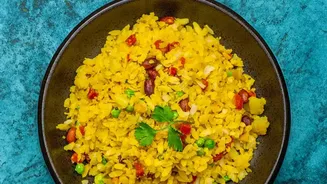
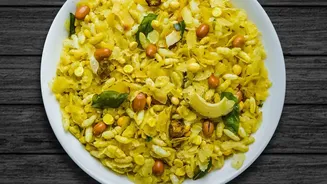
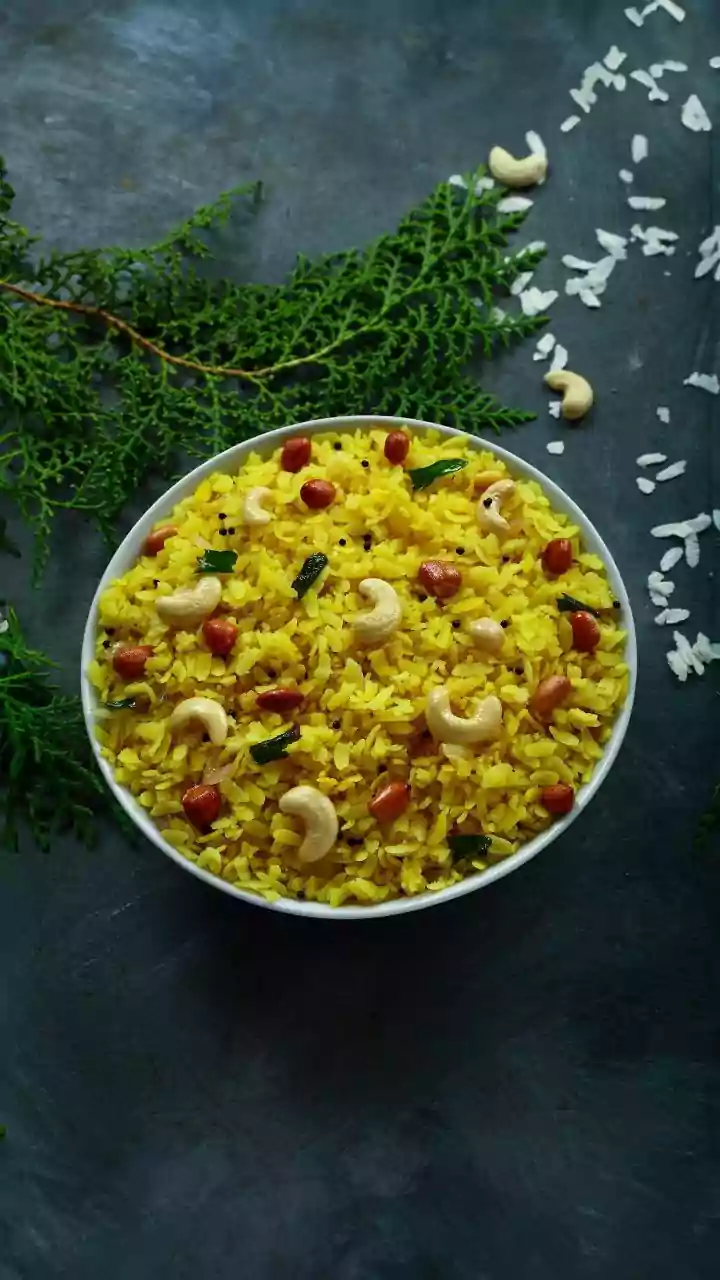
Imagine a plate where two complete opposites meet. On one side, you have poha—flattened rice steamed to a delicate softness, lightly spiced, and seasoned with the subtle sweetness of fennel seeds. It’s then generously garnished with chopped raw onions,
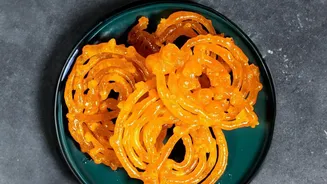
fresh coriander, and a cascade of crunchy sev, often the spicy Ratlami variety. A squeeze of lemon and a sprinkle of the city's signature jeeravan masala—a tangy, complex spice blend—completes the savory side. On the other side sits the jalebi: a bright orange swirl of fried batter, glistening from its dip in sugar syrup, still warm and crackling at the edges. Taking a bite of the tangy poha followed by a piece of the intensely sweet jalebi is a daily ritual in Indore, a contrast that makes perfect sense to the local palate.
The Journey of Poha to Indore
While Indore is the city most famous for this combination, poha itself traveled to get there. The humble flattened rice dish has its roots in Maharashtra. When the Maratha Holkars established their rule over the Malwa region in the 18th century, they brought their culture and their kitchens with them. Poha, a staple Maharashtrian dish, was part of this culinary migration. However, Indore didn't just adopt the dish; it reinvented it. The city’s residents transformed the simple snack into a cultural icon, creating a version that is distinctly their own.
What Makes Indori Poha Different?
The secret to Indori poha's unique texture is its cooking method. Unlike other regional variations where the flattened rice is often fried or sautéed with the other ingredients, Indori poha is steamed. This process keeps the flakes incredibly soft, moist, and separate, preventing them from becoming dry or clumpy. This steamed base becomes the canvas for a festival of toppings. The addition of jeeravan masala, a fiercely guarded blend of over 20 spices, gives it a signature tangy kick that you won't find elsewhere. The combination of soft poha, crunchy peanuts and sev, and juicy pomegranate seeds creates a symphony of textures in every bite.
A Union of Cultures on a Plate
So, how did the sweet jalebi join the party? The pairing reflects the mixed culinary heritage of the Malwa region, which has been shaped by Maharashtrian, Rajasthani, Gujarati, and Mughal influences. Poha arrived with the Marathas from the west. Jalebi, with its Middle Eastern origins, came to India centuries earlier and was popularized through Mughal and Persian culinary traditions. In Indore, a city that grew as a trading hub between Delhi and the Deccan, these two culinary streams merged. The local palate, accustomed to balancing sweet, savory, and tangy flavors, found the combination of poha and jalebi to be a natural fit. It’s a breakfast that tells the story of Central India’s geography and history.
The Heartbeat of the City's Streets
Poha-jalebi is more than just a meal in Indore; it's a social institution. Every morning, street-side stalls and famous food hubs like Chappan Dukan and Sarafa Bazaar are crowded with people from all walks of life—students, office workers, and families—gathering for their breakfast fix. For many, it's a non-negotiable start to the day. The dish is quick, affordable, and light, making it the perfect fuel for a busy city. It’s a great equalizer, served on simple paper plates to everyone, embodying the unpretentious and joyful food culture that Indore is celebrated for.