




More Than a Sweet, a Sacred Offering
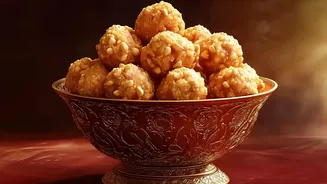
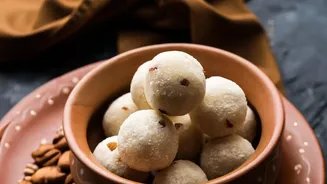
For millions of devotees, the Tirupati Laddu is not just a food item; it is ‘prasadam,’ a sacred offering blessed by Lord Venkateswara. Its history as an offering dates back to August 2, 1715. While its form has evolved from an earlier sweet called 'Manoharam',
the spherical laddu we know today was standardized in 1940 and has since become synonymous with a pilgrimage to the Tirumala temple. This sacred status is the primary reason for the immense effort invested in its consistency. Every devotee expects to receive the same divine taste, a promise the Tirumala Tirupati Devasthanams (TTD), the temple's administrative body, takes very seriously. This commitment led to the laddu receiving a Geographical Indication (GI) tag in 2009, making TTD its sole legal producer and protecting its unique identity from imitation.
The Engine Room of Faith
The heart of the operation is a massive, modern kitchen known as the 'Potu'. This is where a symphony of tradition and technology unfolds daily. A dedicated workforce of over 600 people, including around 270 highly skilled cooks known as 'Pachakas', work around the clock. The scale of production is staggering. On an average day, the TTD prepares between 3 to 3.5 lakh laddus, with the capacity to produce up to 8 lakh. To achieve this, the kitchen uses colossal amounts of ingredients, all procured through tenders to maintain uniformity. Daily consumption includes about 10 tonnes of gram flour, 10 to 32 tonnes of sugar, around 13 tonnes of pure ghee, 700 kg of cashew nuts, and 150 kg of cardamom.
A Recipe Governed by 'Dittam'
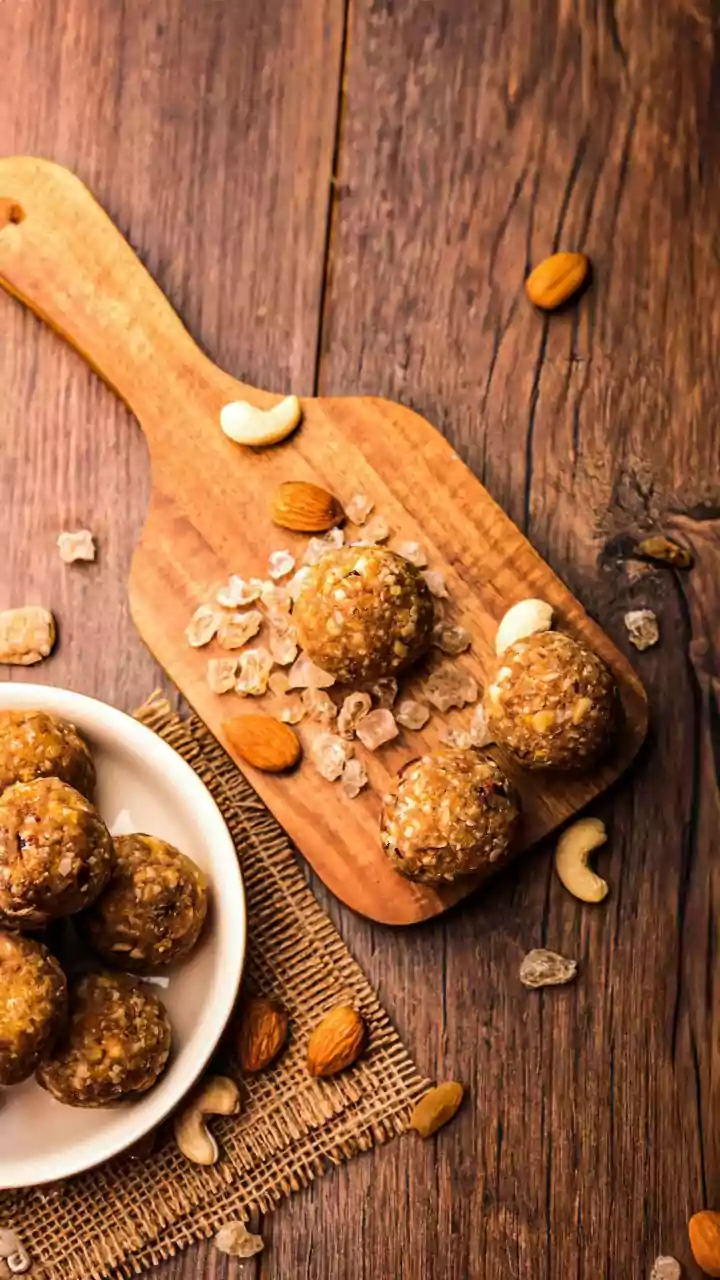
The secret to the laddu's unchanging taste lies in a strictly defined list of ingredients and proportions known as the 'Dittam'. This master recipe, which specifies everything from the type of gram flour to the quantity of raisins, has been modified only six times in its history, mainly to scale up production. The core ingredients remain Bengal gram flour, sugar, pure ghee, cashew nuts, cardamom, raisins, and sugar candy. Unlike a home kitchen where ingredients are often measured by 'andaz' (estimation), every component in the Potu is weighed and measured with industrial precision. This adherence to the Dittam ensures that whether a laddu was made yesterday or a decade ago, the fundamental taste profile remains untouched.
The Pursuit of Perfect Consistency
While traditional cooks are central to the process, TTD has integrated modern technology to eliminate variables. Three automated conveyor belts transport ingredients into the kitchen and carry finished laddus to distribution counters, streamlining the workflow. In a recent push for even higher standards, TTD has begun introducing advanced German-made machinery to automatically inspect raw materials like ghee and cashews, rejecting any contaminants or substandard supplies. Furthermore, collaborations with scientific bodies like the Food Safety and Standards Authority of India (FSSAI) and the Central Food Technological Research Institute (CFTRI) are helping establish dedicated labs to test every batch of ingredients, ensuring purity and quality from farm to final product. This blend of human skill and machine precision is what makes the laddu a marvel of food engineering.
Why Your Home Sweet Can't Compete
The comparison in the headline is not a slight on homemade sweets but an underscoring of the laddu's unique production model. At home, ingredients are bought in small quantities from different brands. The heat of the stove, the technique of the person cooking, and even the ambient humidity can subtly alter the outcome. The Tirupati Laddu, however, is a product of extreme standardization. By centralizing production, codifying the recipe, procuring ingredients at an industrial scale, and employing both technology and scientific oversight, the TTD has removed nearly all the variables that make homemade sweets charmingly inconsistent. It ensures that the prasadam received by a devotee in 2026 is the same blessed taste experienced by their grandparents.