



A 'Technology Neutral' Strategy
While many automakers are making a hard pivot to an all-electric future, Ferrari is deliberately keeping its options open. CEO Benedetto Vigna has articulated a strategy he calls "technology neutrality." The core idea is that Ferrari will master multiple
powertrain technologies—fully electric, hybrid, and advanced internal combustion—to offer different kinds of driving thrills. This approach allows the brand to meet its goal of carbon neutrality by 2030 without abandoning the gasoline engines that are central to its identity. The company's future product mix is projected to be a diverse portfolio: by 2030, Ferrari aims for 40% hybrid models, 40% traditional combustion engine vehicles, and 20% fully electric cars. This multi-pronged plan is not a rejection of electric power, but rather an "electric addition," ensuring clients can choose the powertrain that best suits their idea of a Ferrari.
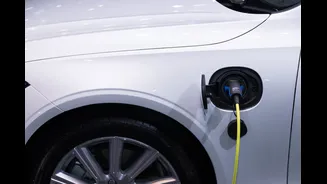
Path 1: The All-Electric 'Luce'
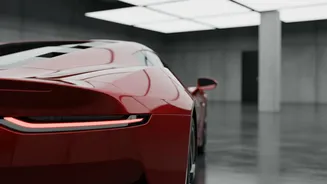
The most significant step into the future is Ferrari's first all-electric vehicle. The car, named Luce, has already generated significant buzz. Despite a controversial design and a price tag reportedly over €500,000, the entire 2026 production allocation sold out within weeks of its debut, driven by strong demand, particularly from China. The Luce is designed to be a true Ferrari, boasting over 1,000 horsepower from four independent electric motors. Vigna has emphasized that this EV is not meant to replace other models but to attract new clients who might only consider an electric car. The successful launch of the Luce proves there is a market for an electric Prancing Horse, providing a crucial pillar in the company's emissions reduction plan without cannibalizing its traditional base.
Path 2: The Hybrid Bridge
Hybrid technology is not new to Ferrari, which launched its first hybrid, the LaFerrari, back in 2013 using technology derived from Formula 1. Today, models like the SF90 Stradale and the 296 family demonstrate how electric motors can enhance performance, not just efficiency. Vigna sees hybrids as a vital bridge, allowing the company to lower its fleet's average emissions while still delivering the visceral experience of a combustion engine. For Ferrari, the electric motor is a tool to improve performance and responsiveness. By 2030, hybrids are planned to make up 40% of the company's sales, making them a cornerstone of the strategy to balance tradition with the regulatory demands of the modern world.
Path 3: The Biofuel Gambit
Perhaps the most intriguing part of Ferrari's strategy is its faith in carbon-neutral fuels, such as biofuels and synthetic e-fuels. During a recent earnings call, Vigna confirmed that Ferrari has been testing these fuels in its engines with great success. He stated that the engines perform very well and that "nothing changes" in terms of performance. These fuels work by being produced in a way that captures carbon from the atmosphere, theoretically offsetting the emissions produced when they are burned. This path could be the key to saving the iconic V8 and V12 engines in a world moving away from fossil fuels. It would allow Ferrari to continue selling cars with internal combustion engines past the 2035 European ban, provided they run exclusively on these e-fuels. It's a bet on innovation that could preserve the very soul of the brand.
Why Not Go All-In on EVs?
Ferrari's cautious, multi-path approach is rooted in its unique position as a low-volume luxury manufacturer. Unlike mass-market brands, Ferrari sells an emotion, not just transportation. Committing entirely to EVs would risk alienating a significant portion of its loyal client base who value the sound and feel of a combustion engine. Furthermore, the technology and infrastructure for high-performance EVs and e-fuels are still evolving. By investing in all three areas, Ferrari hedges its bets. This strategy allows the company to adapt to changing customer demands and regulatory landscapes without being locked into a single technological solution that might not perfectly align with its brand identity in the long run. It's a pragmatic approach to innovation, designed to ensure Ferrari remains a benchmark for performance, regardless of what's under the hood.