





Getting Started: Fresh vs. Dried
Both turmeric (haldi) and ginger (adrak) are rhizomes, or root stems, that can be used fresh or dried. Fresh ginger is pungent and spicy, while fresh turmeric is earthy and slightly bitter. Their dried, powdered forms are more concentrated and convenient
for everyday cooking. A good rule of thumb is to use about one tablespoon of fresh, grated root for every teaspoon of ground powder. To prepare fresh roots, simply peel the skin with a spoon or vegetable peeler and then grate, mince, or slice as needed. Be mindful that fresh turmeric will stain hands and surfaces with its brilliant yellow-orange colour, so you may want to wear gloves. Both roots store well in the refrigerator for several weeks.
Mastering Curries and Gravies
In curries, ginger and turmeric build a foundational layer of flavour. The key is to 'bloom' the spices. Start by heating oil or ghee in a pan and sautéing aromatics like onions. Then, add your ginger-garlic paste and powdered spices like turmeric, coriander, and cumin. Cooking them for a minute or two over medium heat until fragrant releases their essential oils and deepens their flavour. For a more intense taste, you can create a paste by blending fresh turmeric and ginger with shallots, garlic, and a little coconut oil. This fresh paste forms a vibrant base for chicken, fish, or vegetable curries. The pungency of ginger and the earthiness of turmeric are beautifully balanced by creamy coconut milk or tangy tomatoes.
A Comforting Infusion for Soups
Aromatic broths are perfect for showcasing ginger and turmeric. For a simple and restorative soup, simmer fresh, sliced ginger and turmeric in vegetable or chicken stock for at least 30 minutes to allow the flavours to meld. You can then strain the broth for a clear soup or leave the pieces in for a more rustic feel. This infused broth works wonderfully as a base for lentil soup, chicken noodle soup, or a simple vegetable soup with carrots and celery. For a creamier version, add coconut milk towards the end of cooking. The combination not only adds a beautiful golden hue from the turmeric but also a comforting warmth from the ginger, making it an ideal meal when you're feeling under the weather.
Warm Drinks: A Daily Wellness Ritual
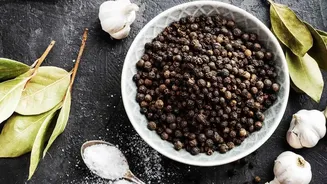
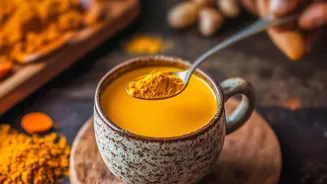
One of the easiest ways to consume ginger and turmeric is in warm drinks. The classic 'Haldi Doodh', or Golden Milk, is a soothing beverage made by warming milk (dairy or non-dairy) with ground turmeric, a pinch of black pepper, and a touch of sweetener like honey or jaggery. Adding black pepper is important as it contains piperine, which helps the body absorb curcumin, the active compound in turmeric. For a simple ginger tea, just steep fresh ginger slices in hot water. You can also combine the two for a powerful tonic; simply simmer sliced ginger and turmeric in water for 10-15 minutes, then strain. Add a squeeze of lemon for brightness and a dash of cinnamon for extra warmth.
Beyond The Obvious: More Everyday Uses
The versatility of turmeric and ginger extends far beyond these three categories. Try adding a teaspoon of each to the water when cooking basmati rice for a fragrant, beautifully coloured side dish. Whisking the ground spices into a marinade for chicken or fish with yogurt, garlic, and lime juice is another excellent way to impart flavour before grilling or baking. You can even add a pinch of ground turmeric and a small piece of fresh ginger to your morning smoothie for an earthy kick. For a quick stir-fry, marinate your protein in a mix of soy sauce, ginger, and turmeric before cooking with your favourite vegetables. These simple additions can elevate everyday meals with minimal effort.