



Understanding the Bamboo Shoot
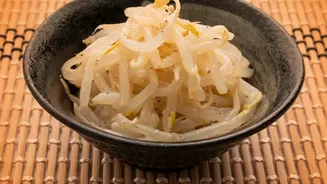
Before we dive into pairings, let's get to know our star ingredient. Bamboo shoots are the young, edible sprouts of bamboo plants. Eaten raw, they can be bitter and are actually difficult to digest, which is why they are always sold cooked, whether fresh
and vacuum-sealed, or in cans. Their flavour is mild, slightly sweet, and earthy, often compared to corn or asparagus. What makes them so prized in many Asian cuisines is their texture—a satisfying crunch that remains even after being cooked in stir-fries, soups, and curries. Whether you are using the convenient canned variety or fresh-cooked shoots, the culinary strategy remains the same: use other ingredients to build flavour around its subtle taste and fantastic texture.
The Power of Aromatic Pairings
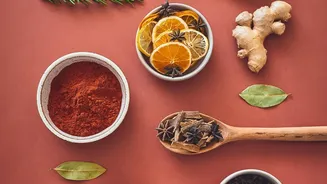
Because bamboo shoots have a neutral flavour profile, they act as a brilliant canvas for more powerful tastes. This is where bold aromatics come into play. Ingredients like garlic, ginger, and chillies are essential. When you stir-fry or sauté bamboo shoots, the high heat brings out a toasty, nutty quality that is beautifully complemented by these pungent additions. Think of how these aromatics form the base of so many beloved Indian and Asian dishes; they create a fragrant foundation that cuts through the bamboo's earthiness and infuses it with layers of complexity. In many traditional recipes, bamboo shoots are stir-fried with these aromatics before being added to a larger dish, allowing them to absorb all that delicious flavour right from the start.
Why Your Dish Needs a Tangy Kick
The second part of the magic formula is tang. Acidic ingredients are crucial for balancing flavours, and this is especially true for bamboo shoots. The sour notes from ingredients like tamarind, lime juice, kokum, or even vinegar wake up the palate and provide a refreshing contrast to the shoot's inherent earthiness. Fermented bamboo shoots, a staple in many parts of Northeast India and other areas of Asia, have a built-in tanginess that makes them incredibly flavourful. In a Konkani dish like Keerla Sukke, tamarind pulp provides a sweet and sour dimension, while spicy salads in Thai cuisine often use a zesty lime dressing to brighten everything up. This acidic element prevents the dish from feeling heavy and makes the flavours more dynamic and memorable.
Inspiration from Indian Kitchens
Across India, regional cuisines have long mastered this pairing principle. In Assam, Baanhgajor Lagot Kukura is a classic curry that combines chicken with grated bamboo shoots, using mustard oil and aromatics like onion, ginger, and garlic for a striking flavour. In Nagaland, bamboo shoots are a key component in everything from fiery chutneys to comforting rice gruels, often paired with the intense heat of local chillies. Down south in Coorg, Baimbale Kari is a popular coconut-based curry where the shoots are cooked with mustard seeds, garlic, and sometimes tamarind water for an extra tang. Even simple pickles from Sikkim showcase this, where bamboo shoots are fermented with mustard oil, garlic, and chilli powder, creating a condiment bursting with bold and tangy notes.
Putting It All Together at Home
Ready to try it yourself? The concept is simple to apply. For an easy stir-fry, start by heating oil and adding minced garlic, ginger, and green chillies. Sauté until fragrant, then add your sliced bamboo shoots and cook for a few minutes. Finish with a splash of soy sauce and a squeeze of lime juice. For a curry, build your base with onions, tomatoes, and a paste of ginger and garlic. Add your spices, then the bamboo shoots, and let them simmer to absorb the flavours. A little coconut milk can add richness, while a touch of tamarind paste or kokum will provide that essential sour note. Don't be afraid to experiment; as long as you remember to balance the earthy bamboo with bold aromatics and a bright, tangy finish, you're on the right track to a delicious meal.