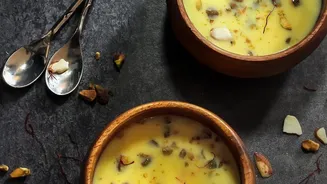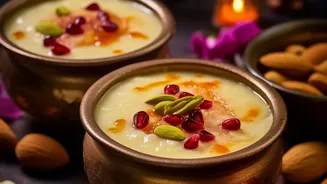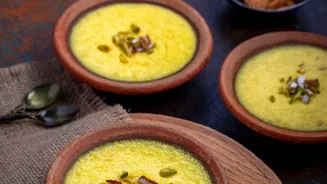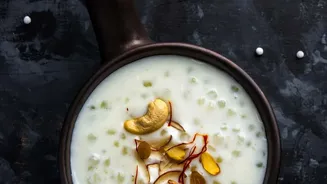



A Classic Sweet Reimagined
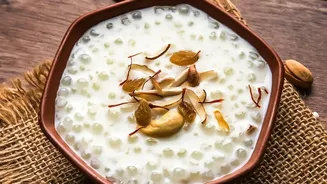
Indian culinary creativity knows no bounds, especially when it comes to adapting classic dishes for festivals and fasts (vrat). Enter Sabudana Rasmalai, a fascinating dessert that replaces the traditional chenna or paneer patties with ones made from tapioca
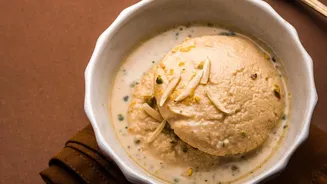
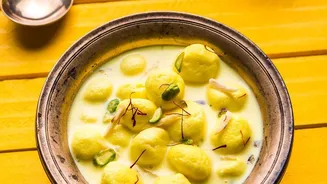
pearls (sabudana). The primary motivation for this swap is often for religious fasting periods like Navratri or Ekadashi, during which grains are typically avoided, but sabudana is permitted. This innovation allows those observing fasts to enjoy a dessert that captures the spirit of Rasmalai without breaking dietary rules. The core idea is to create a soft, absorbent patty from sabudana that can be steeped in the signature sweetened, thickened milk, or rabri.
Deconstructing the Original
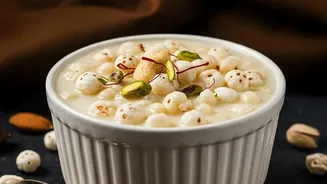
To understand the sabudana version, one must first appreciate the original. Traditional Rasmalai consists of two key components: the soft, disc-shaped patties and the milky base. The patties are made from chenna—freshly made paneer (an Indian cheese) that is kneaded until smooth and then boiled. This process gives them a uniquely spongy and porous texture, allowing them to soak up the rabri like a sponge. The rabri itself is full-fat milk, painstakingly simmered and reduced until thick, then delicately flavoured with cardamom, saffron, and garnished with nuts like pistachios and almonds. The magic of Rasmalai lies in this perfect marriage of the absorbent patty and the flavourful milk.
How Sabudana Steps In
The method for creating the sabudana patties is where the ingenuity lies. It begins with soaking sabudana pearls until they are soft and plump. After draining any excess water, the pearls are typically cooked or ground to form a dough-like mixture. To help with binding and add richness, ingredients like milk powder, powdered sugar, or even mashed potato are often mixed in. This mixture is then shaped by hand into small, flat discs resembling traditional rasmalai patties. These patties are then gently cooked in the prepared rabri, allowing them to absorb the milky sweetness.
The Evidence: Texture and Taste
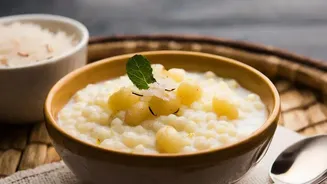
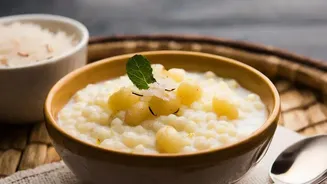
So, does it work? The claim that it reworks Rasmalai without losing its milky base is largely true, but with a crucial caveat regarding texture. The milky base, the rabri, remains unchanged, providing the familiar, beloved flavour profile of saffron and cardamom. However, the texture of the patties is different. While chenna is light and spongy, sabudana creates a patty that is softer and has a more gelatinous or sometimes chewy quality. It's a delightful texture in its own right, reminiscent of Sabudana Kheer, but it is not a one-to-one replacement for the sponginess of chenna. Some recipes have received feedback that the balls can become hard or retain a distinct sabudana taste if not prepared correctly. The success lies in accepting it as a unique dessert—a hybrid of Sabudana Kheer and Rasmalai—rather than an exact replica.
Tips for Perfect Sabudana Patties
Achieving the right consistency is key to a successful Sabudana Rasmalai. First, ensure the sabudana is well-soaked and completely drained; any excess water can make the mixture difficult to handle. Adding a binder like milk powder is crucial for both flavour and structure, helping the patties hold their shape. When cooking, gentleness is paramount. The patties should be simmered on a low to medium flame, and stirring should be minimal and careful to prevent them from breaking apart before they are fully cooked and have turned translucent. Chilling the final dessert for at least an hour helps the flavours meld and firms up the patties for the best experience.