




Meet PRIMA: NASA's Next-Generation Explorer
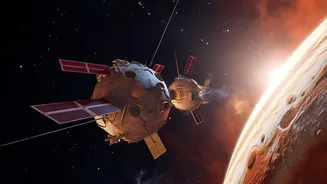
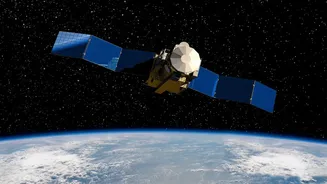
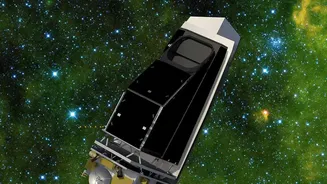
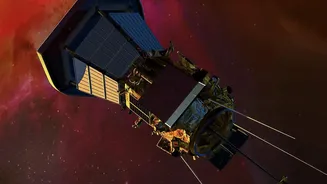
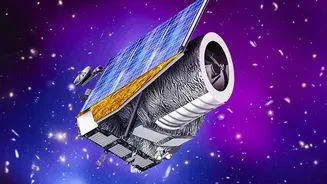
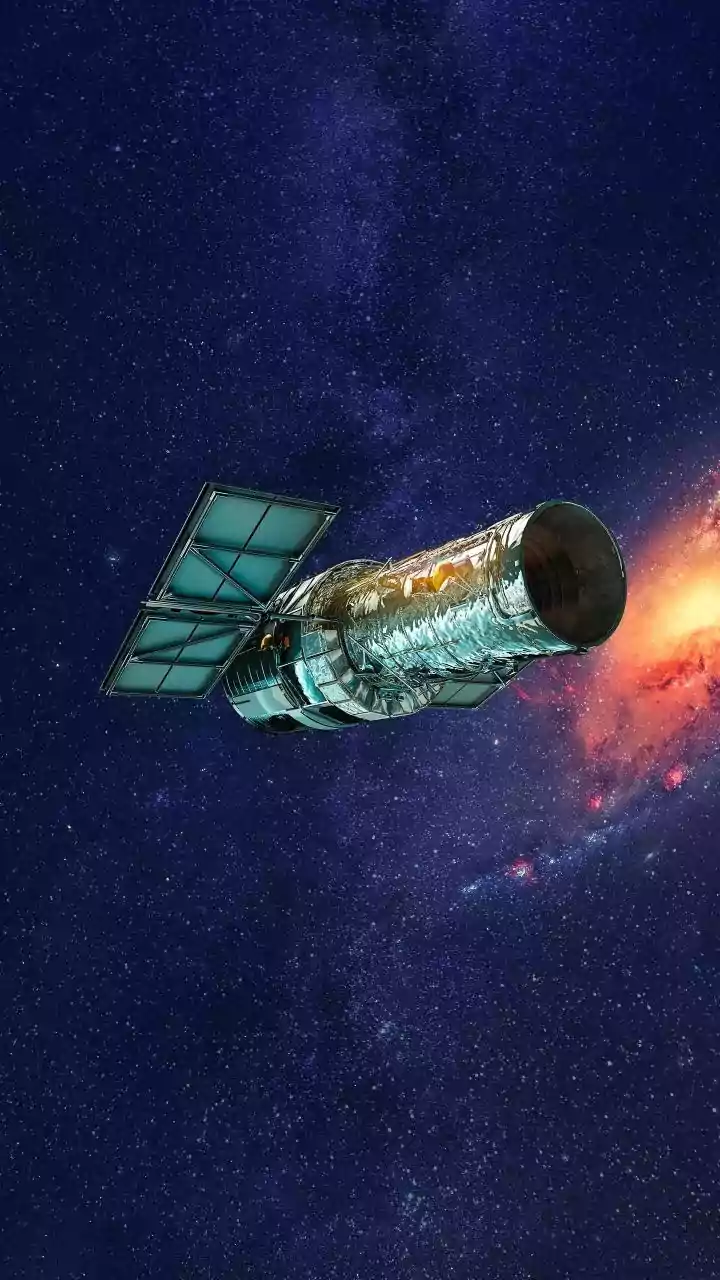
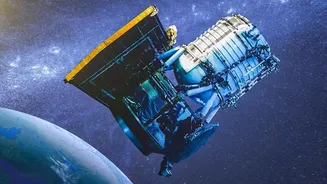
NASA recently announced that it is moving forward with a groundbreaking new space observatory: the Probe far-Infrared Mission for Astrophysics, or PRIMA. This mission represents the first of a new category of spacecraft called Probe Explorers, designed
to fill the gap between massive, decade-spanning flagship missions and smaller, more focused efforts. The agency has officially advanced PRIMA to its next development stage, known as Phase B, which involves finalising the preliminary design and technology. This is a critical step that signals confidence in the mission's science and feasibility. While a final green light for construction is still pending a future review, this move solidifies PRIMA as a top priority. Led by NASA's Jet Propulsion Laboratory (JPL), the project brings together a wealth of expertise and represents humanity's next major step in decoding the universe's biggest secrets.
The Science of Seeing in Far-Infrared
What makes PRIMA so special is its ability to see the universe in far-infrared light. Think of it this way: a regular telescope sees the bright, visible light from stars, much like seeing a finished cake. NASA's famous James Webb Space Telescope (JWST) can see in near- and mid-infrared, revealing details like a warm oven. PRIMA, however, is designed to see the cool, raw ingredients—the cold dust and gas clouds that are the building blocks of everything. These cosmic nurseries are where stars, planets, and galaxies begin their lives, but their light is too faint and cool for other telescopes to see clearly. By observing in this specific wavelength, PRIMA will be able to tackle some of the most profound questions in astronomy. Its goals include quantifying the role of water in planet formation, understanding how galaxies and their central supermassive black holes grow together, and tracing how cosmic dust and heavy elements have spread across the universe over billions of years.
A Powerful Companion to James Webb
PRIMA is not a replacement for the James Webb Space Telescope but rather a crucial partner. While JWST has revolutionised astronomy with its stunning images in the near- and mid-infrared, it cannot detect the longer wavelengths of far-infrared light. This is where PRIMA steps in, bridging a significant observational gap between space telescopes like Webb and ground-based radio observatories. According to scientists, many of the key questions about planet formation, particularly concerning water and gas masses in protoplanetary disks, can only be answered by studying spectral lines that exist exclusively in the far-infrared spectrum. Together, these observatories will provide a more complete picture of cosmic processes, from the hottest, most energetic events to the cold, slow beginnings of planetary systems. This collaborative approach allows different tools to focus on what they do best, combining their data to create a richer understanding of the cosmos.
The Road to 2033 and A Practical Price Tag
The target launch date of no earlier than 2033 makes the abstract science of cosmic origins feel tangible and within reach. While this date depends on the mission successfully passing its upcoming confirmation reviews, getting the go-ahead for Phase B development is a major vote of confidence from NASA. This phase allows engineers and scientists to refine the designs for PRIMA's 1.8-metre telescope and its sophisticated instruments. Furthermore, the mission provides a new model for cost-effective deep-space exploration. The project's cost is capped at approximately $1.2 billion, not including the launch. This is a fraction of the $10 billion cost of the JWST, demonstrating the goal of the new Probe Explorer class: to achieve groundbreaking science without the budget of a flagship mission. This more 'practical' approach could enable more frequent, high-impact missions in the future.
A Global Effort for Cosmic Answers
Unlocking the secrets of the universe is a global endeavor, and PRIMA is no exception. The mission is managed by NASA's JPL and involves significant contributions from several NASA centers, Caltech, and a host of international partners. Space agencies and scientific institutions from Canada, France, Germany, Japan, South Korea, and the United Kingdom are collaborating on the project. For instance, Germany's Max Planck Institute for Astronomy is set to provide key optomechanical components and control electronics for PRIMA's instruments. This international cooperation pools financial resources and, more importantly, combines the world's leading scientific and engineering talent. By working together, these nations will build an observatory that will provide data for astronomers worldwide, helping all of humanity better understand our place in the cosmos.