





The New Global Energy Map
Since 2022, Western sanctions aimed at curbing Russia's energy revenues have fundamentally altered the oil market. With Europe and the US shunning direct purchases of Russian crude, Moscow began offering significant discounts to find new buyers. This
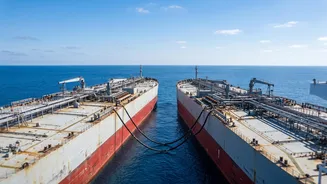
created a massive opportunity for nations with the industrial capacity to process that oil. India, with its long-standing policy of strategic autonomy and a thirst for affordable energy, stepped in. Before the conflict, Russian oil was a tiny fraction of India's imports; by mid-2026, it accounted for as much as half of the nation's crude intake, with imports from Russia hitting record highs.
India's Refining Powerhouse
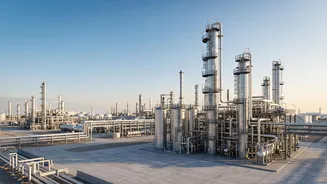
The key to understanding India's new role is its massive and sophisticated refining sector. As the world's fourth-largest refiner, India boasts a capacity of over 5.8 million barrels per day (BPD) and is aggressively expanding. Prime Minister Narendra Modi has stated that India will continue to build new refineries even as capacity in the US and Europe declines. This industrial might, which includes the world's largest refining complex in Jamnagar, allows India not just to meet its own significant domestic demand but also to act as a major exporter of high-value fuels. Plans are in motion to boost this capacity to nearly 6.2 million BPD by the end of the decade, cementing its position as a global refining hub.
From Crude Discount to Export Premium
The business model is straightforward yet powerful: buy discounted crude oil from Russia, process it into petrol, diesel, and jet fuel, and then sell these finished products on the global market at full price. This value-addition process has become a significant economic driver. Indian refiners have been able to capture healthy margins, turning an energy security challenge into a lucrative export opportunity. This has helped contain India's trade deficit and supported the currency. In essence, India transformed itself from simply a major energy consumer into a critical middleman in the global petroleum supply chain.
The Unexpected Customers
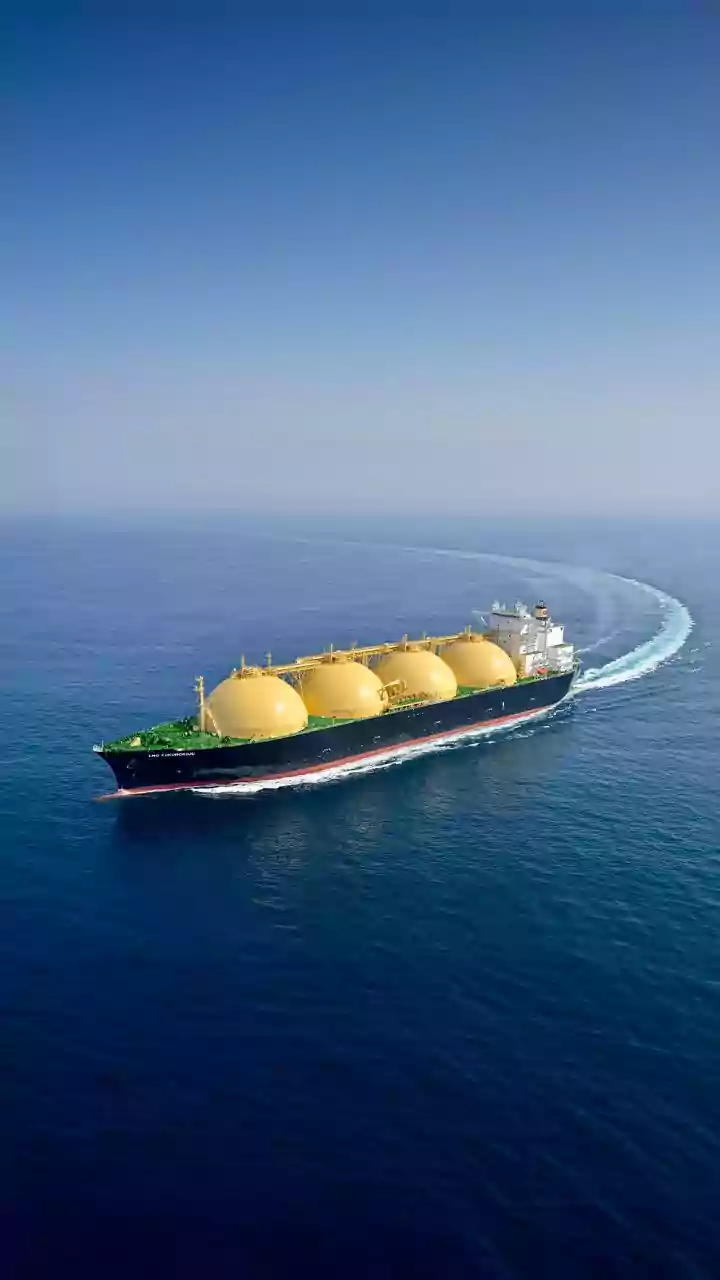
Ironically, a significant portion of these refined products are flowing to the very regions that sanctioned Russian crude in the first place. India has become a top supplier of refined fuels to Europe, filling the void left by the absence of Russian products. Data from July 2026 showed a surge in Indian fuel exports to a one-year high, with Europe being an active buyer. Shipments of refined products made from Russian crude have also been documented arriving in the US and Australia. This dynamic has even led to a surprising reversal, with Russia itself reportedly importing refined petrol from India to cope with its own domestic shortages caused by attacks on its refining infrastructure.
A Diplomatic and Economic Tightrope
While economically beneficial, this strategy requires delicate diplomatic navigation. The US has increased scrutiny of the trade, and the risk of secondary sanctions on Indian companies remains a concern. Indian refiners face a complex environment, balancing the economic windfall from cheap Russian crude against the geopolitical pressure from Western partners. For now, India has successfully maintained its course, diversifying its crude sources when necessary—including increasing imports from Venezuela—while Russian oil remains the backbone of its import strategy. This balancing act highlights India's growing confidence and its indispensable role in maintaining stability in the global energy market.